How a burr became a fastener
A burr does not cling by glue. Its tiny curved hooks catch on loops in fur, fabric, or other textured surfaces. Pulling the two apart releases the hooks, but pressing them together lets them catch again. That simple, reversible grip became the principle behind Velcro.
From microscope to manufacturing
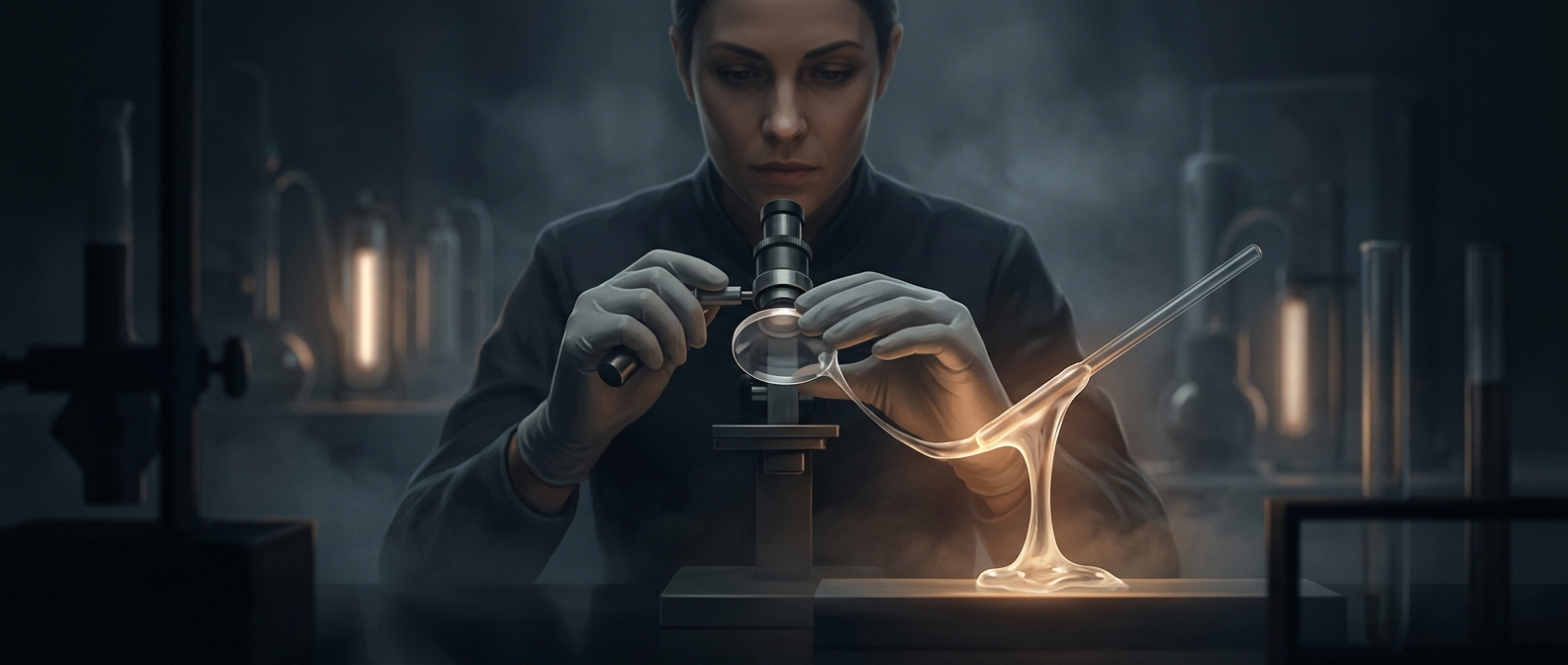
After noticing burrs tangled in his dog’s coat, Swiss engineer Georges de Mestral examined them under a microscope. The hooks explained why the seeds held so stubbornly—and suggested a fastener that could be opened and closed without a buckle, button, or knot.
Turning the observation into a product was harder than copying the shape. A useful fastener needed two coordinated surfaces: one covered in hooks, the other in loops. They had to be made consistently, attach securely, and still separate when pulled. De Mestral pursued the idea through years of development, translating a structure found on a seed into a manufactured material.
Why the design endured
The hook-and-loop arrangement is both strong enough to hold and easy to undo. It also works across a broad patch rather than at a single point, so the closure can be adjusted simply by pressing or peeling the surfaces together. That made it useful wherever a quick, reusable fastening mattered.
The memorable part is not just that a dog’s fur supplied the clue. It is that the burr’s apparent nuisance concealed a mechanical design: a connection made from countless tiny catches, each one easy to release but effective in combination.