A Fresh Layer Could Hide a Dirty Floor
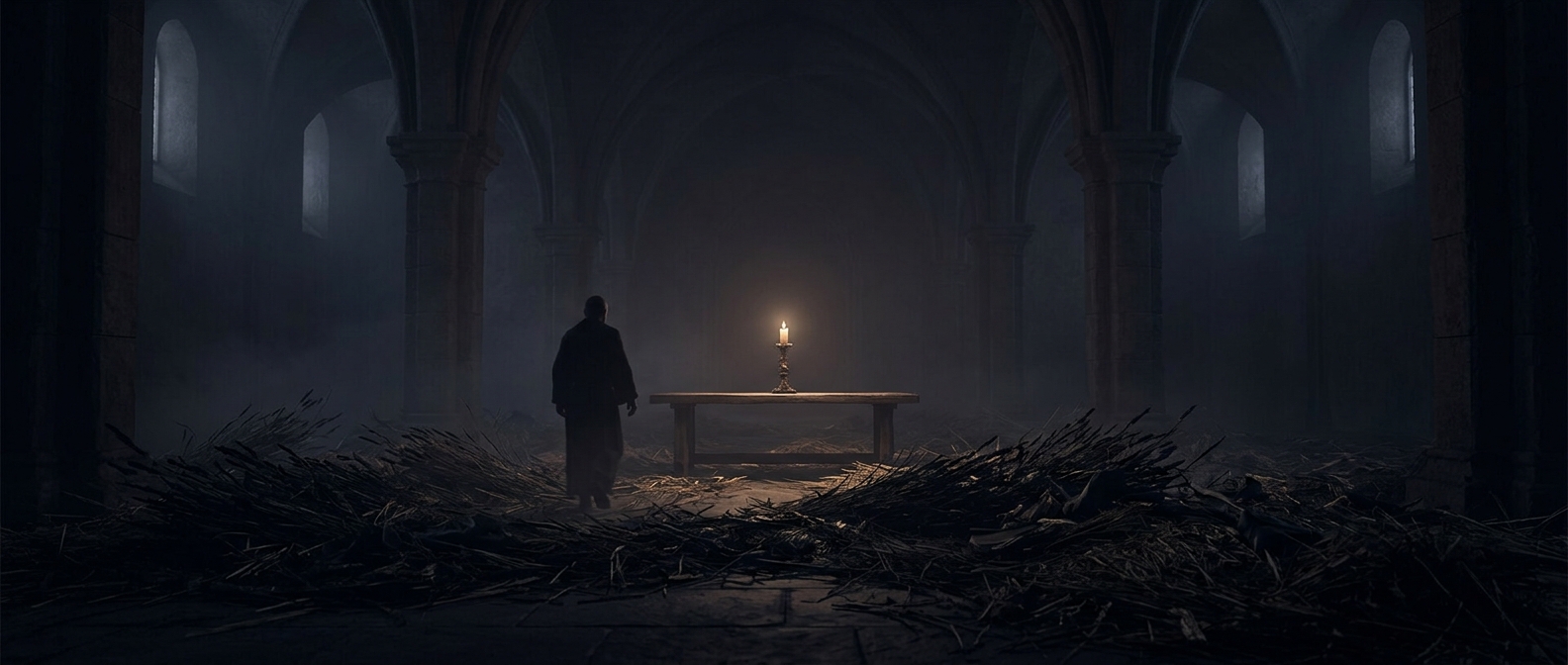
In some historic homes, people scattered plant material—often rushes, straw, or dried grass—across the floor. It softened hard-packed earth or rough boards and gave a room a fresher-looking surface. But spreading new material did not remove what was already there. Crumbs, mud, and other waste could settle beneath the top layer and build up over time.
Why Covering Was Easier Than Scrubbing
A floor was not always a smooth, sealed surface that could be swept or washed clean. Packed earth absorbed spills, while uneven boards left crevices where dirt collected. Fresh plant matter was cheap, readily available, and easy to scatter; thorough cleaning could mean lifting the old covering and dealing with the mess beneath it.
The practice was not necessarily the same everywhere or in every household. Some people replaced or rearranged floor coverings, while others let layers accumulate. The material also wore down and became soiled, so a room that looked freshly covered might still hold grime underneath.
A Floor That Recorded Its Own Use
The covering worked like a temporary surface laid over the real one. Each new layer could make a room feel softer and less visibly dirty, while postponing the harder task of removing accumulated waste. A clean-looking floor and a clean floor were not always the same thing. When the covering was finally lifted, the hidden layers told a more honest story of daily life.