Why Christmas Was a Problem for Puritan Leaders
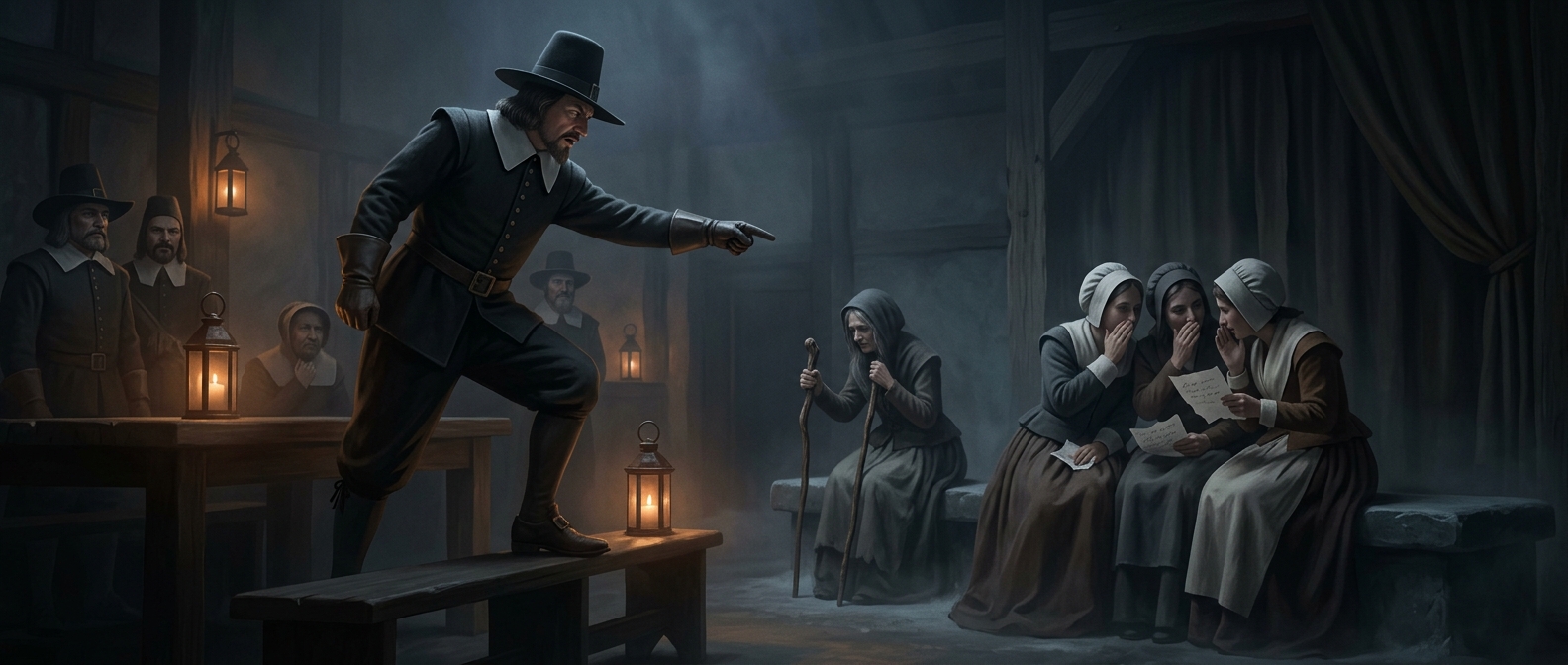
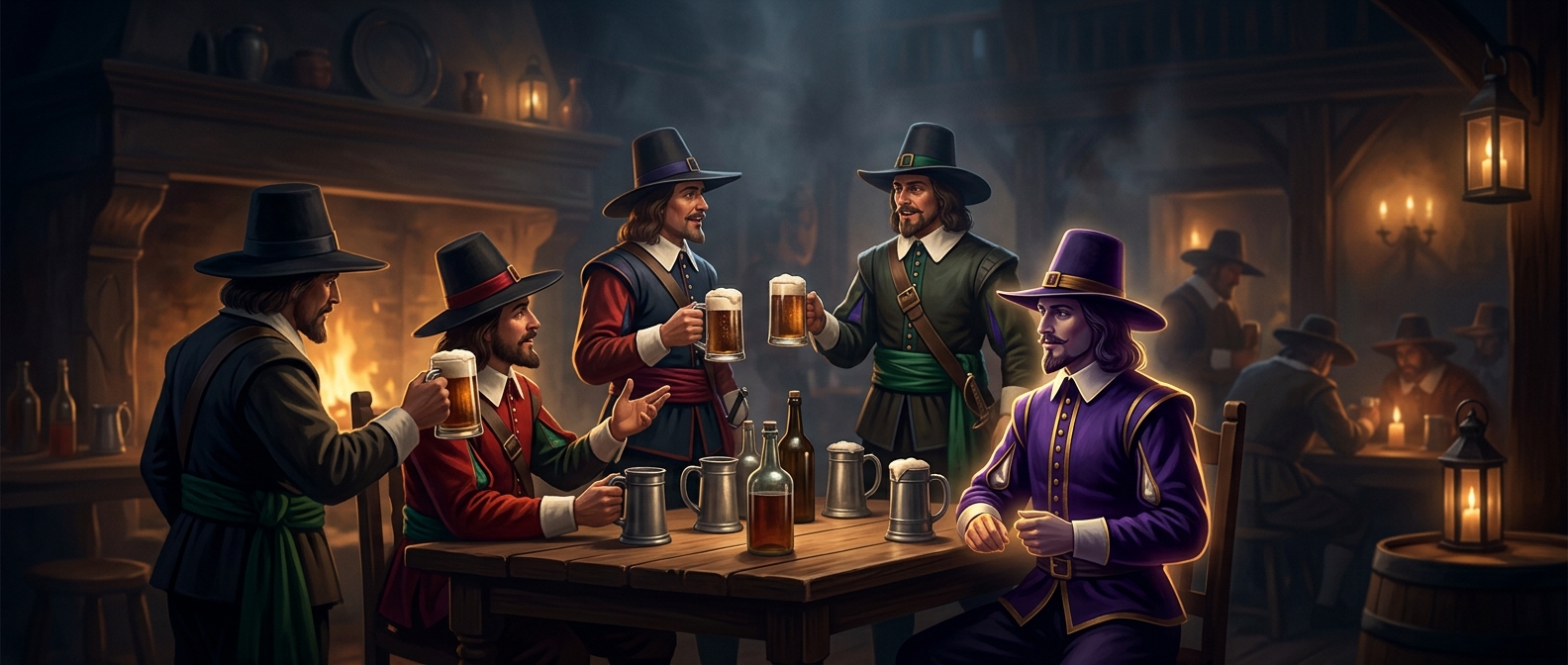
In 17th-century Massachusetts, Christmas was not simply a quiet religious observance. In England and across parts of Europe, the holiday often brought public feasting, drinking, games, and other festivities. Puritan leaders saw these customs as disorderly and insufficiently grounded in scripture. They also objected to treating December 25 as a special holy day when, in their view, the Bible did not command its observance.
That dispute made Christmas a question of public authority as well as religion. Massachusetts’s government sought to shape community behavior around its Puritan convictions, and a holiday that encouraged revelry could look like a challenge to that order.
What the Fine Was Meant to Do
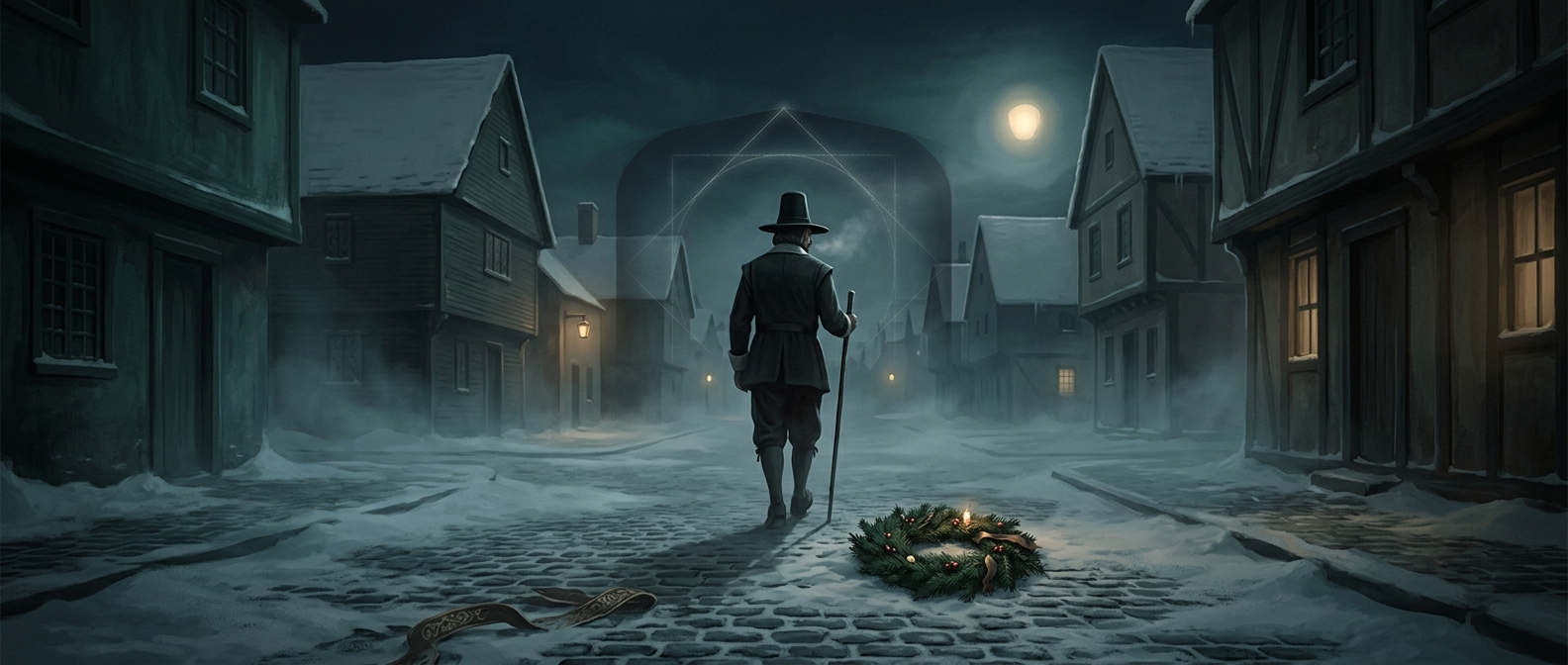
From 1659 to 1681, Massachusetts law imposed a five-shilling fine on people who publicly celebrated Christmas. The penalty targeted the act of marking the day, not merely excessive drinking or a particular form of misconduct. In effect, authorities tried to make Christmas festivities costly enough to discourage them.
The ban did not mean that Christmas disappeared from private life, nor that every resident agreed with the policy. It shows how leaders used law to enforce a religious and social vision in a colony where they held political power. The fine was a practical tool: it turned a disagreement about the holiday into an offense that could be punished.
A Holiday Could Return as Customs Changed
The law was repealed in 1681, but the episode reveals how differently Christmas was understood at the time. For the Puritan government, the public celebrations were not an inevitable part of the calendar; they were customs that could be restricted. A holiday now associated with family gatherings and decorated homes once carried a legal price tag in Massachusetts simply for being celebrated.