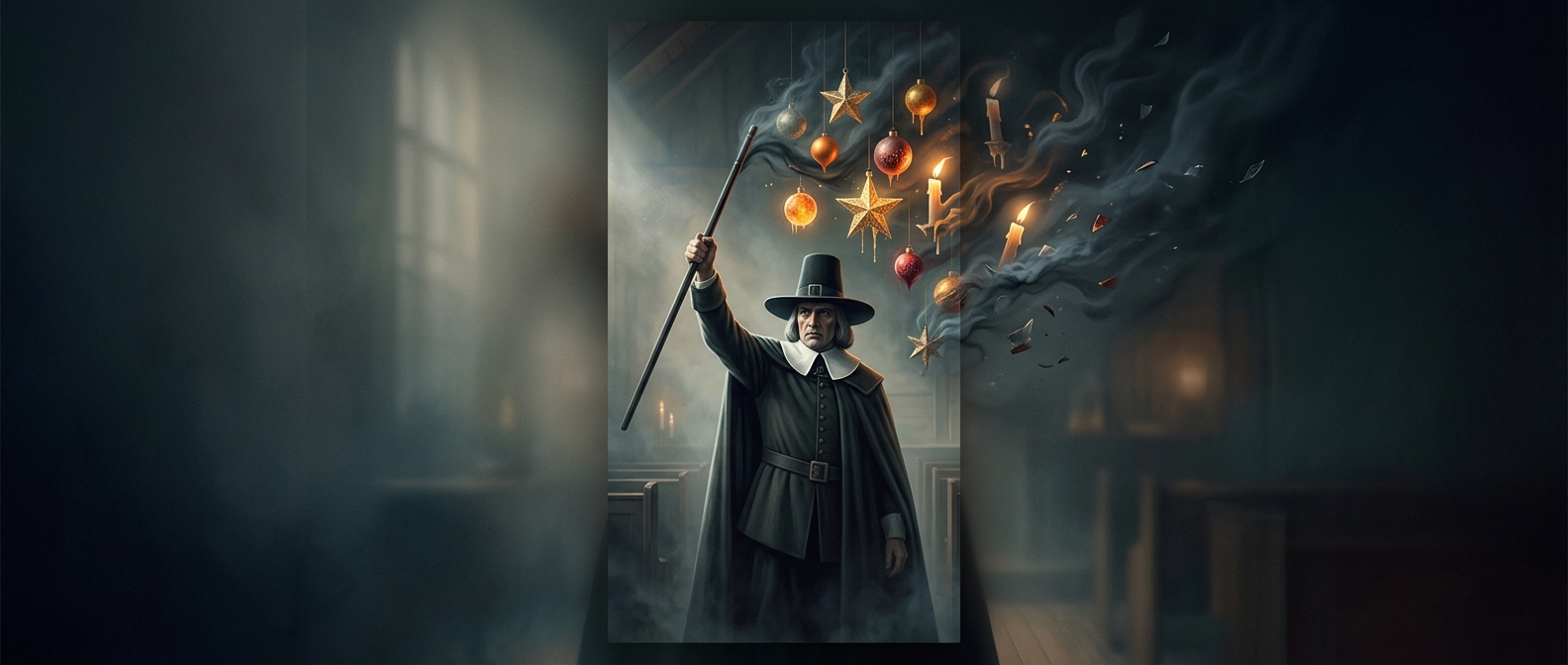
Why Christmas became a target
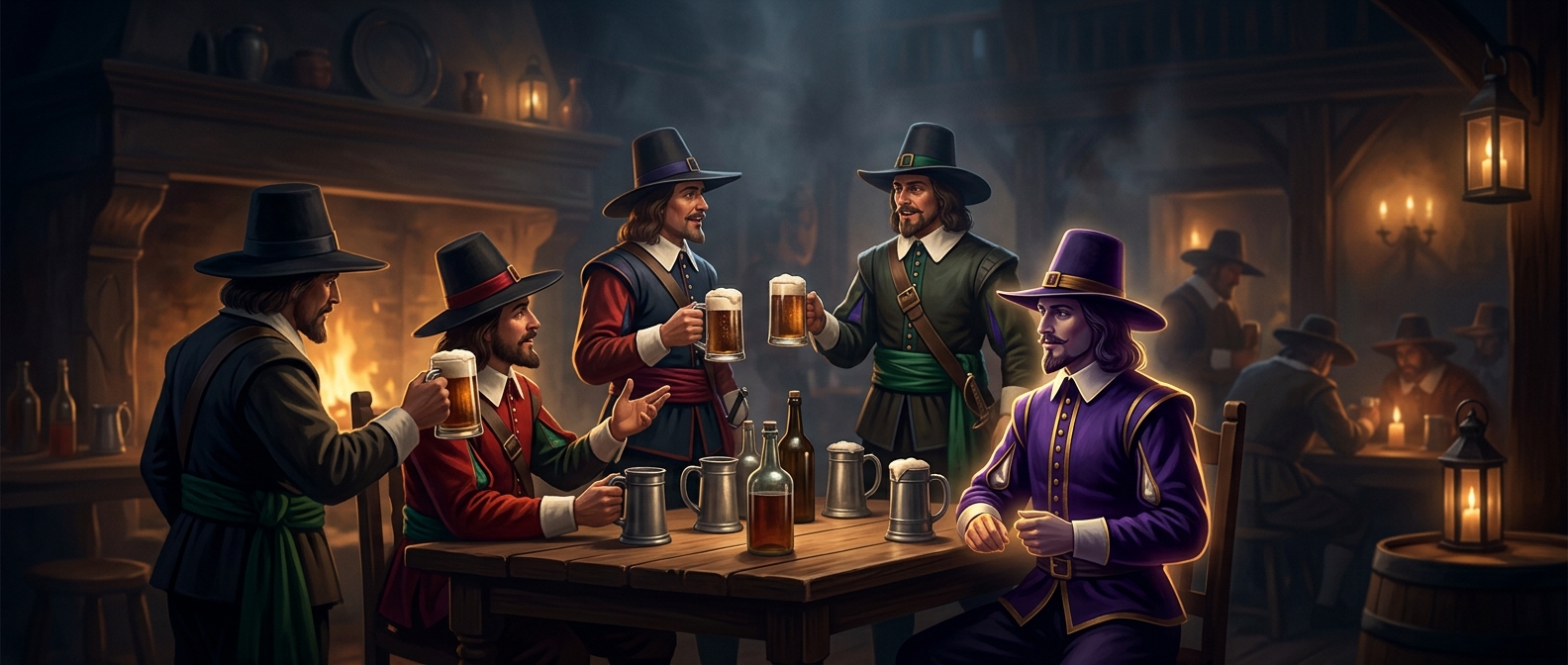
To many English Puritans, Christmas was not a biblical holy day: the Bible did not command Christians to celebrate Jesus’s birth on December 25. They also associated the holiday with Catholic traditions and with noisy, often rowdy festivities. In their view, feasting and public merrymaking distracted from worship and encouraged behavior that had little to do with Christian devotion.
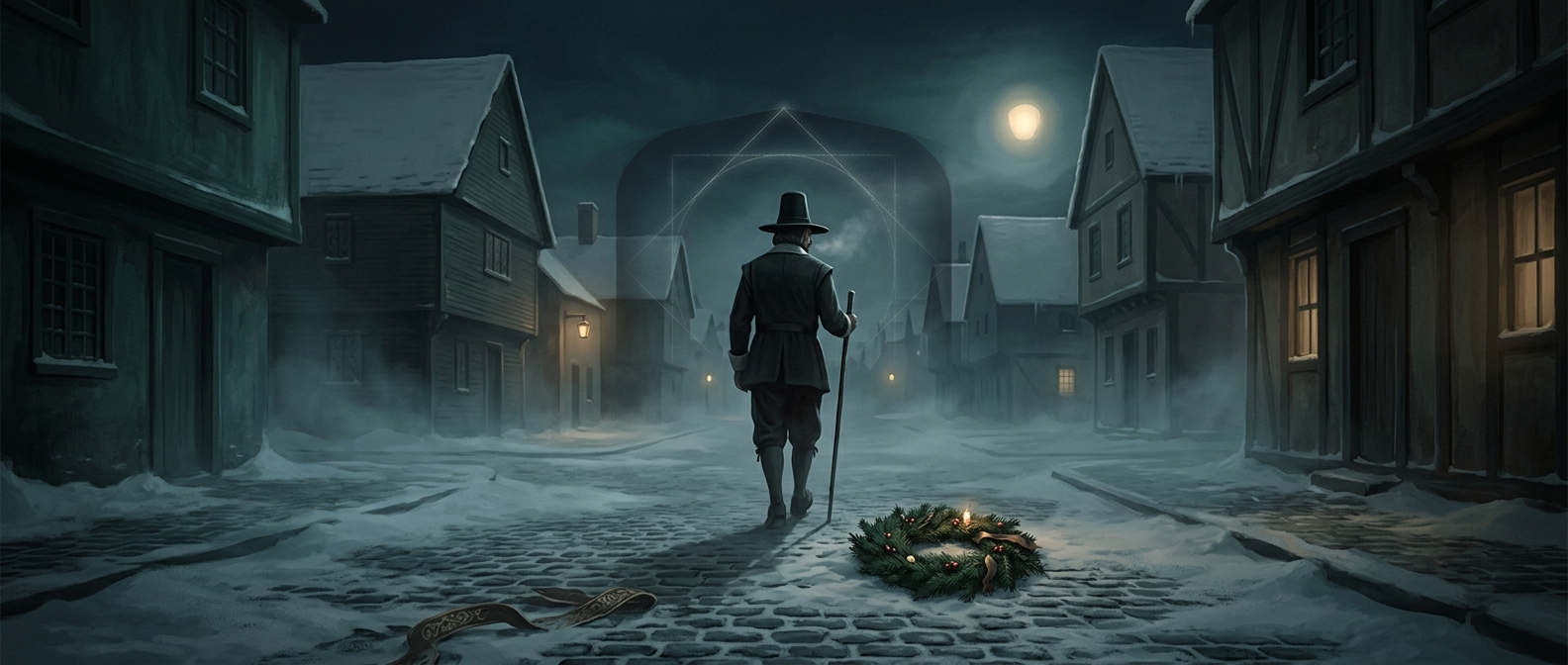
That objection became law during the English Civil War, when Parliament was controlled by forces seeking to reshape the national church. In 1647, Parliament abolished Christmas as a public religious festival, along with other traditional feast days. Churches were not to hold Christmas services, and the day was meant to be treated like an ordinary working day.
A rule that reached beyond the church
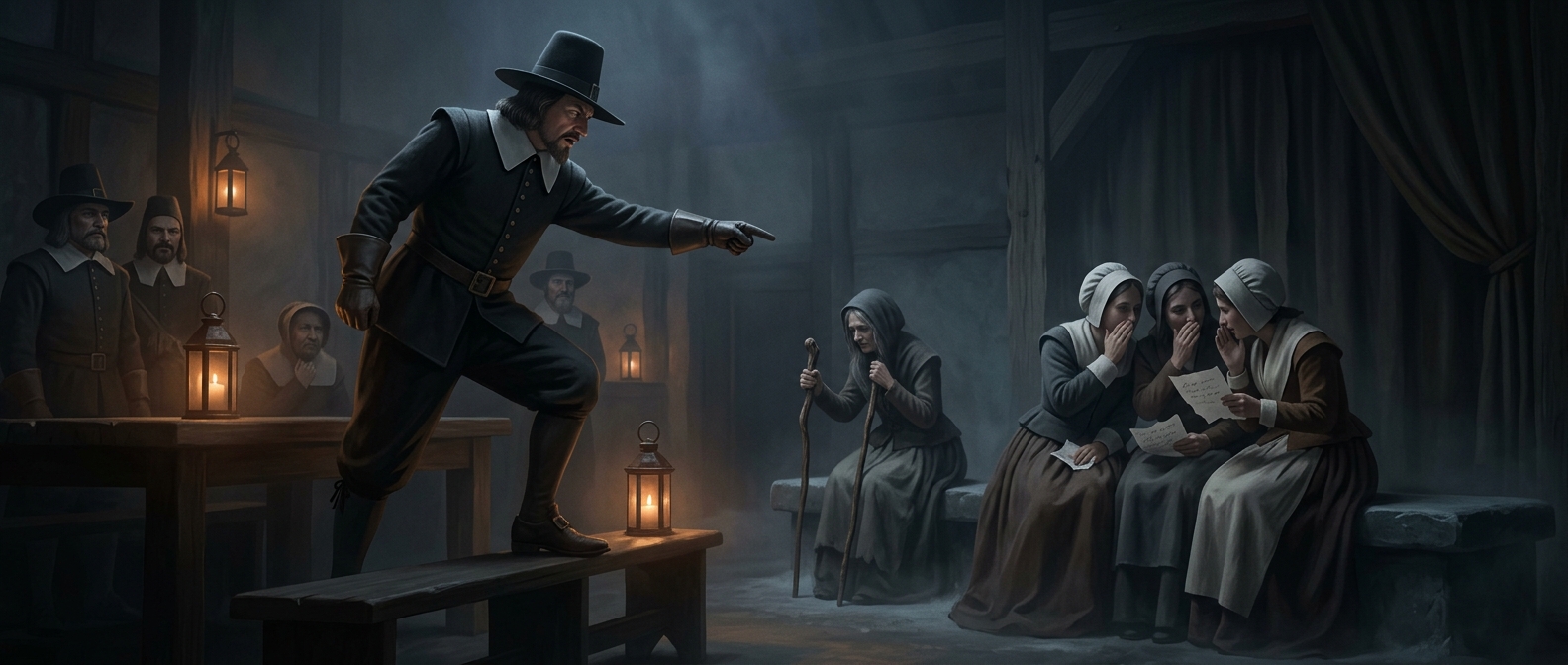
The ban made a theological dispute practical: it affected whether people could close shops, hold services, or gather publicly to mark the day. Local authorities were expected to enforce the policy, but it met resistance. Some people continued their customs, and attempts to keep shops open or suppress celebrations could provoke public anger.
The restriction was not simply a nationwide switch that erased Christmas from people’s lives. Its reach varied, and private observance was harder to control than church services or public festivities. In New England, where Puritan influence was strong, Massachusetts also outlawed Christmas observance for a time, reflecting the same suspicion of unscriptural custom and disorderly celebration.
The holiday returned, but the conflict lingered
When the monarchy was restored in 1660, Christmas again became an official holiday in England. The episode nevertheless shows how a religious reform could reach into ordinary schedules: leaders did not merely argue over how Christmas should be celebrated; they tried to make the day indistinguishable from any other workday.