A Roman jar built for fattening dormice
The dormouse on a Roman banquet table was not simply a wild animal caught at random. Wealthy households could keep the small, squirrel-like rodents in special terracotta containers called gliraria. Their narrow openings and internal ledges helped confine the animals while allowing them to move and feed. Walnuts and acorns supplied the rich food that made them plumper before cooking.
The setup turned a seasonal woodland animal into a managed delicacy. Dormice naturally put on fat before winter; keeping them in a jar let cooks control their diet and have them ready for a feast. The vessels were practical equipment as well as evidence of a kitchen organized around elite tastes.
From pantry to banquet
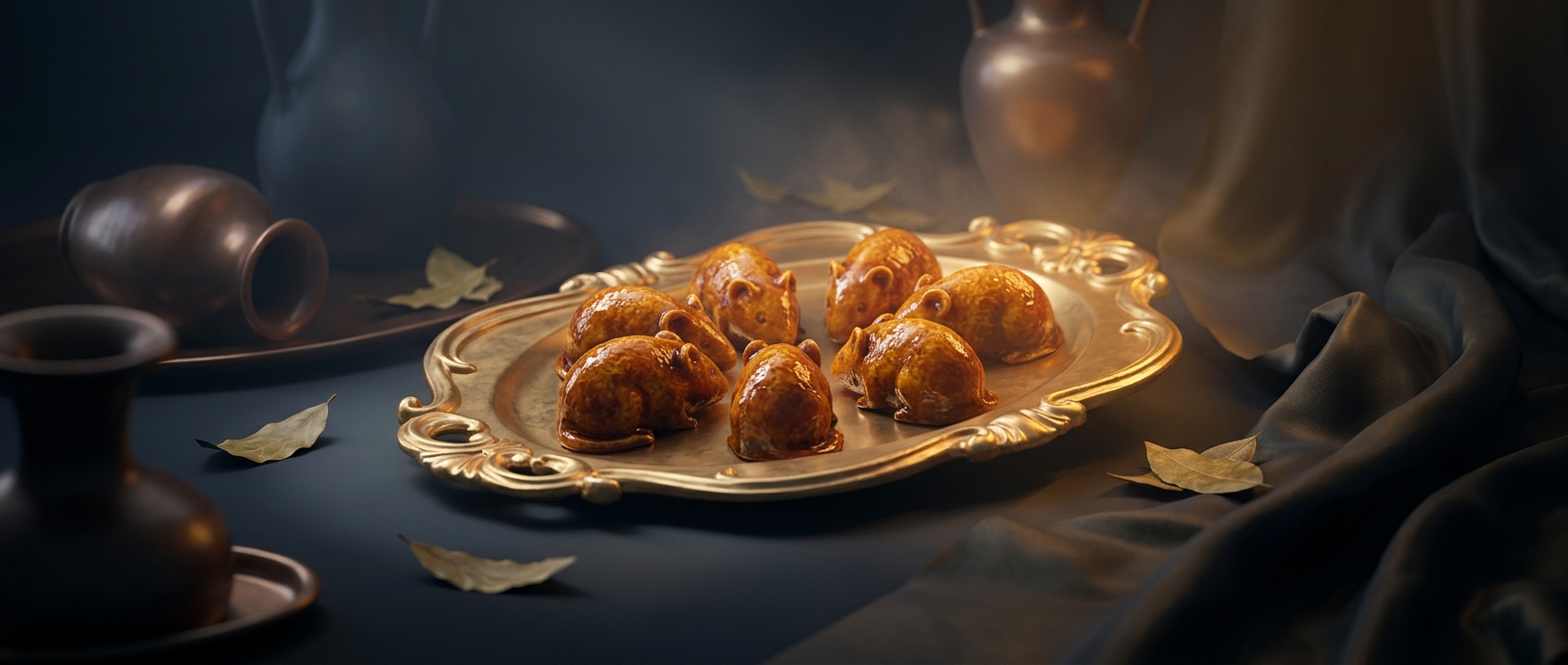
Dormice were prized as an unusual course, not everyday fare. Roasting them with honey and poppy seeds added sweetness and texture, making the dish feel at home among the elaborate foods served at wealthy Roman gatherings. The ingredients also show how a meal could combine locally gathered or cultivated foods with a deliberately theatrical presentation.
A jar of fattening dormice therefore signaled more than an appetite for novelty: it represented the household’s ability to keep and prepare a specialized food. At the banquet, a small rodent raised on nuts became a display of both culinary skill and access to luxury.