Why lead made a sweetener especially dangerous
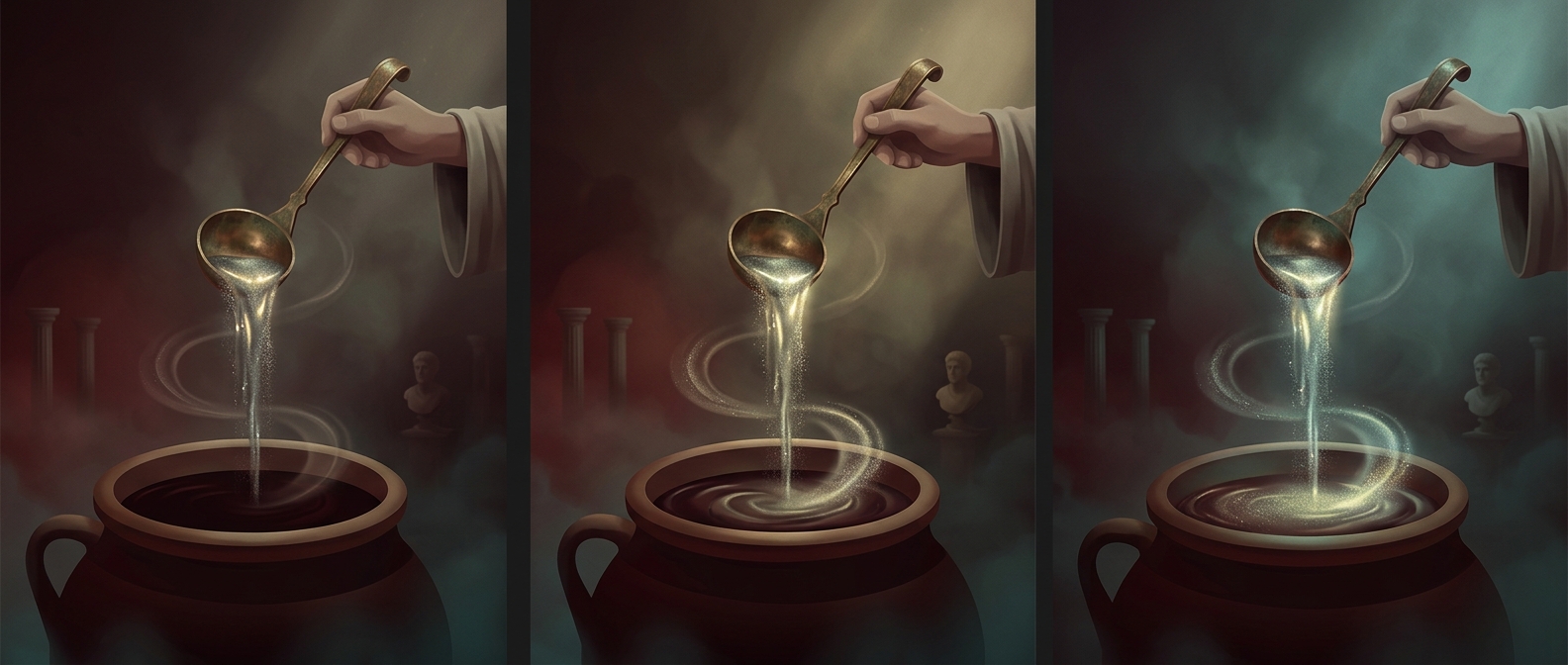
Sapa was made by simmering grape juice until much of its water evaporated, leaving a concentrated syrup. The long cooking did more than thicken it: warm, acidic grape juice could draw lead from the vessel into the liquid. Lead compounds can taste sweet, so contamination could make the syrup seem more—not less—appealing.
That sweetness concealed a hazard. A cook could judge the syrup by its flavor and texture, but neither offered a warning that it contained a toxic metal.
From kitchen shortcut to bodily burden
Sapa was useful as a concentrated sweetener, but lead exposure is cumulative: the body can retain lead, and repeated intake can gradually build the burden. Lead harms the nervous system and can also damage the kidneys and interfere with reproduction. The risk from any particular batch would depend on how it was prepared and how much contaminated syrup someone consumed; the practice does not mean every Roman wine was equally dangerous.
Romans had no modern way to identify lead contamination or understand its effects. The practical appeal of a thick, sweet syrup could therefore persist even when the method that produced it introduced an invisible poison. The dangerous part was not an obviously foul ingredient, but a familiar cooking vessel quietly changing the drink.