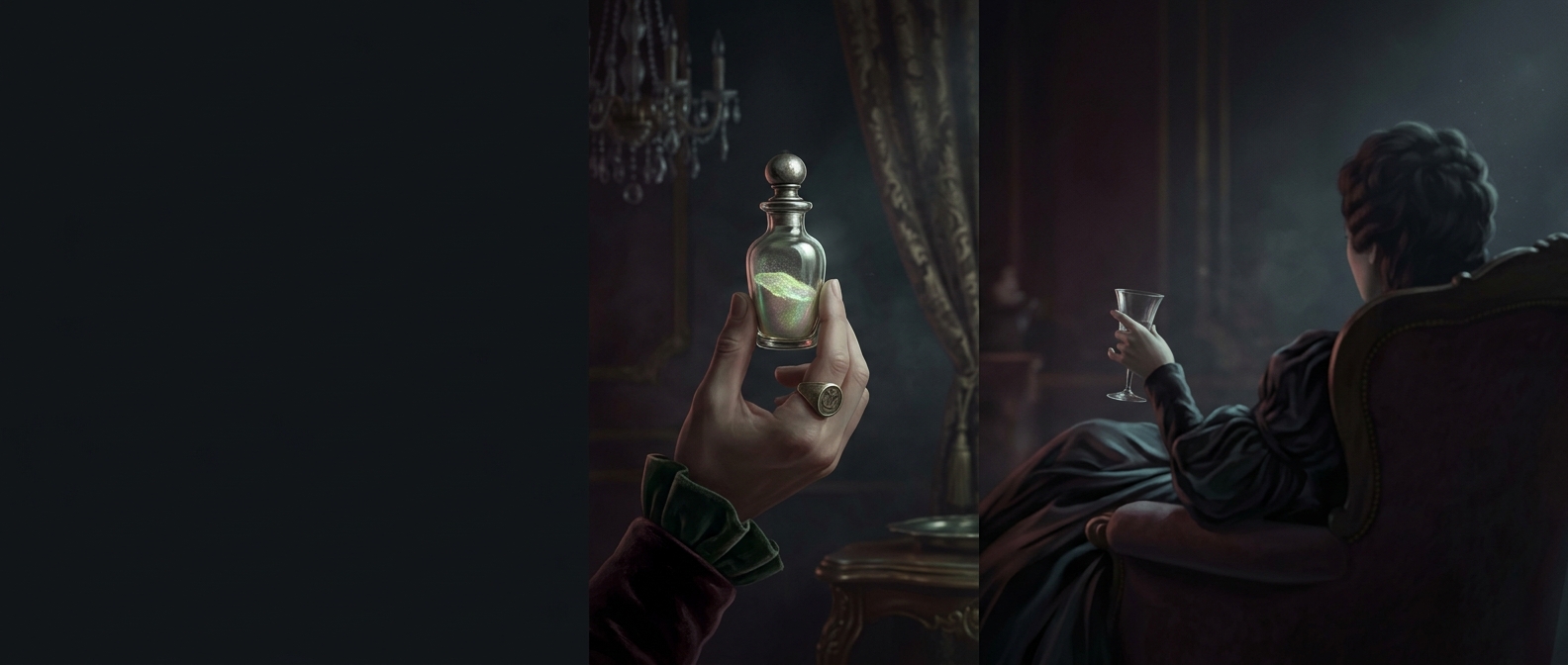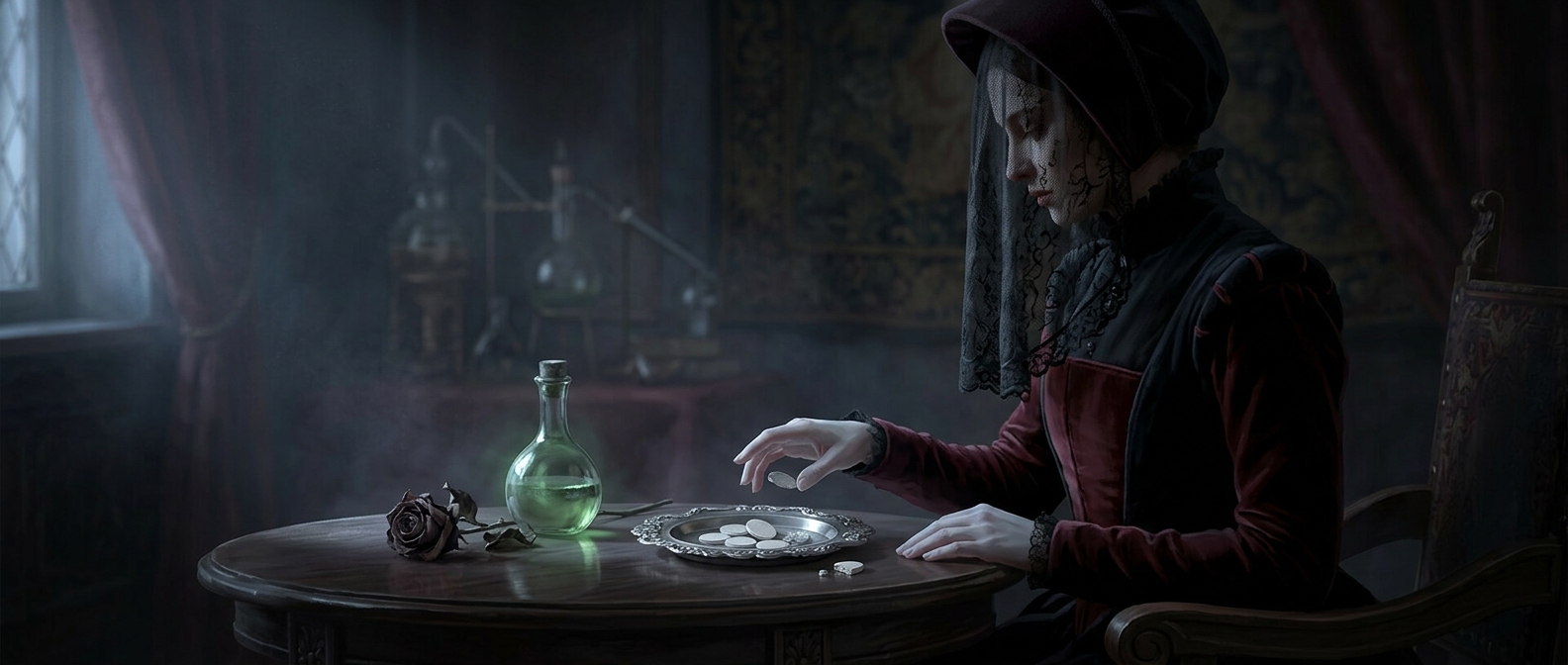
Pale skin signaled a life indoors
In Renaissance Europe, a light complexion could suggest that someone did not spend the day doing outdoor labor. For wealthy women, looking pale helped mark distance from work and poverty. Beauty routines therefore pursued more than a fashionable shade: they displayed social position.
A dangerous shortcut, in a later era
The familiar story of women swallowing arsenic for a pale complexion needs a timeline correction. Renaissance beauty practices did include toxic cosmetics, notably white lead applied to the skin. Arsenic-containing complexion products, including wafers promoted for a lighter look, are associated with a later period—not a standard Renaissance ritual.
The appeal of an ingested product was its promise to change appearance from within, avoiding the effort of applying makeup. But arsenic is a poison, not a safe cosmetic ingredient. Repeated exposure can harm the body; a beauty product’s promise did not make its contents less dangerous.
The cost hidden by the ideal
These practices reveal how a status ideal could turn bodily risk into part of getting dressed. The means differed by period—painted skin in the Renaissance, arsenic products later—but the pressure was similar: appearance could signal rank, and women were expected to manage that signal. In the case of arsenic wafers, the shortcut was not merely a striking beauty trend; it meant taking a toxic substance in pursuit of a complexion.