
stackyFACTS
History

Why Louis XIV's court turned to arsenic

HERE’S THE INTERESTING PART

In the 1670s, King Louis XIV's glittering court was suddenly gripped by a massive, underground murder ring. Hundreds of elite French nobles were caught sneaking out to dark-alley fortune-tellers to purchase arsenic inheritance powders and partake in black masses, treating lethal assassination plots like a standard aristocratic networking event.
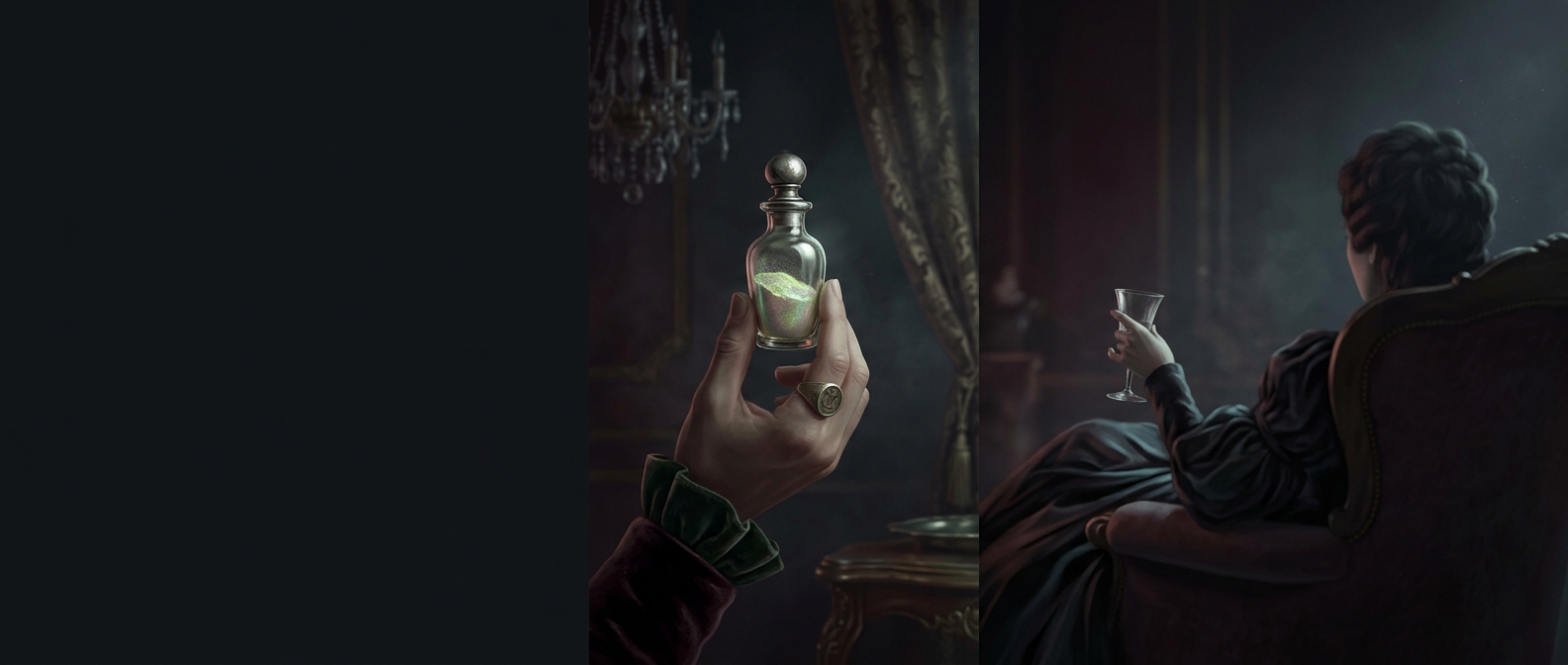
Why Louis XIV's court turned to arsenic
STACKY / History
One discovery leads to another.

Keep exploring facts in this topic.

History →
STACKY FOR IPHONE

A bigger world.
One discovery
at a time.

Keep discovering with Stacky. Interesting facts in an app that is always within reach.

Download on the App Store
ONE MORE DISCOVERY?

Keep exploring

All in this topic →
The rulers who tried to outsmart poison
History

The rulers who tried to outsmart poison

Paranoia makes you do crazy things, like micro-dosing arsenic with breakfast. King Mithridates VI popularized the idea, but Roman emperors adopted the…

Discover more
Why Renaissance women ate arsenic for pale skin
History

Why Renaissance women ate arsenic for pale skin

Dying of organ failure just to look like a chronically anemic ghost. Renaissance women actively chewed on wafers infused with arsenic to achieve a deathly…

Discover more
Before light bulbs and smartphones, a fireproof material called asbestos was once advertised as ‘miracle wool.’ Early Romans wove it into funeral cloths that never burned.
History

Before light bulbs and smartphones, a fireproof material called asbestos was once advertised as ‘miracle wool.’ Early Romans wove it into funeral cloths that never burned.

Before light bulbs and smartphones, a fireproof material called asbestos was once advertised as ‘miracle wool.’ Early Romans wove it into funeral cloths that…

Discover more
The Venus de Milo once held an ordinary apple
History

The Venus de Milo once held an ordinary apple

The incredibly iconic marble depiction of beauty that is famously missing her upper limbs wasn't deliberately designed to look tragically incomplete.…

Discover more
When crying in public was a sign of refinement
History

When crying in public was a sign of refinement

In the era of 'sensibility', displaying extreme emotion proved you had a refined soul. If a poem was read at a party, guests would violently weep and collapse…

Discover more
History

Sogdian merchants from Samarkand monopolized Silk Road trade so completely that their ancient letters abandoned in a ruined Chinese watchtower reveal a massive corporate network…

Long before Amazon Prime existed, a cartel of central Asian merchants had the entire continent's supply chain locked down tight. The Sogdians were the…

Discover more
StackyMore discoveries in the app
Download on the App Store