A stranded mailbag reveals a far-flung trade network
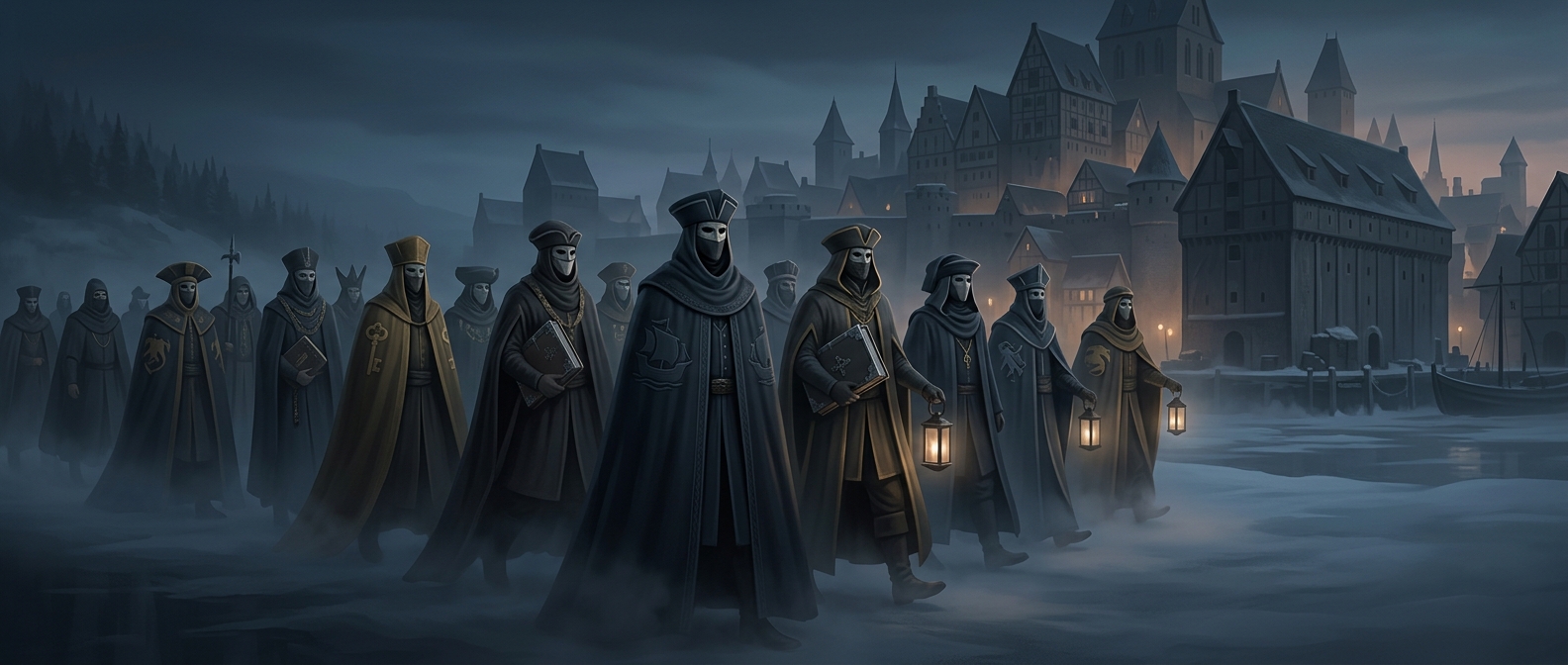
Around the early fourth century, a bundle of letters in Sogdian was left in a watchtower along a desert route near Dunhuang. The messages, now known as the Ancient Letters, had been sent by merchants living far from home. Their survival offers an unusually direct glimpse of how Sogdian traders managed business across long distances—not as a single company, but through relationships connecting merchants, relatives, and agents in different cities.
Sogdiana was a region of Central Asia whose major centers included Samarkand. Sogdian merchants traveled and settled along routes linking China with Central Asia and lands farther west. A shared language and far-flung community helped them exchange information and arrange deals across borders.
Trade depended on people as much as roads
A caravan could carry goods only part of the way; business also required someone at the next stop to receive cargo, find buyers, report prices, and send instructions back. Letters made that network workable. The surviving messages refer to commercial concerns including changing prices, shipments, silver, and musk—a valuable aromatic substance derived from musk deer.
That kind of correspondence was a practical tool for managing uncertainty. A merchant far from a market could not see whether prices had shifted or whether goods had arrived. News from trusted contacts helped determine when to sell, what to send, and whether a promised transaction was still worthwhile. The letters show merchants negotiating and complaining, not an all-powerful cartel controlling every trade route.
Why the letters were left behind
The bundle was not preserved as an archive. It was abandoned at a remote station, and the exact circumstances are unclear. Its accidental survival matters: ordinary business messages rarely lasted for centuries, yet these scraps record the daily decisions behind long-distance commerce.
Rather than proving that one group owned the Silk Road, the letters reveal how its trade could function: through a chain of local knowledge and personal connections, carried across the desert one message—and one shipment—at a time.