The mission was about allies, not just horses
Around 138 BCE, Emperor Wu sent Zhang Qian west from Han China to find the Yuezhi, a people who had been driven from their homeland by the Xiongnu, the powerful confederation dominating the steppe north of China. Wu hoped the Yuezhi might join him against the Xiongnu. Ferghana’s celebrated horses mattered to Han military ambitions, but Zhang’s assignment was first a diplomatic search for allies—not a horse-buying expedition.
Captivity delayed the journey by a decade
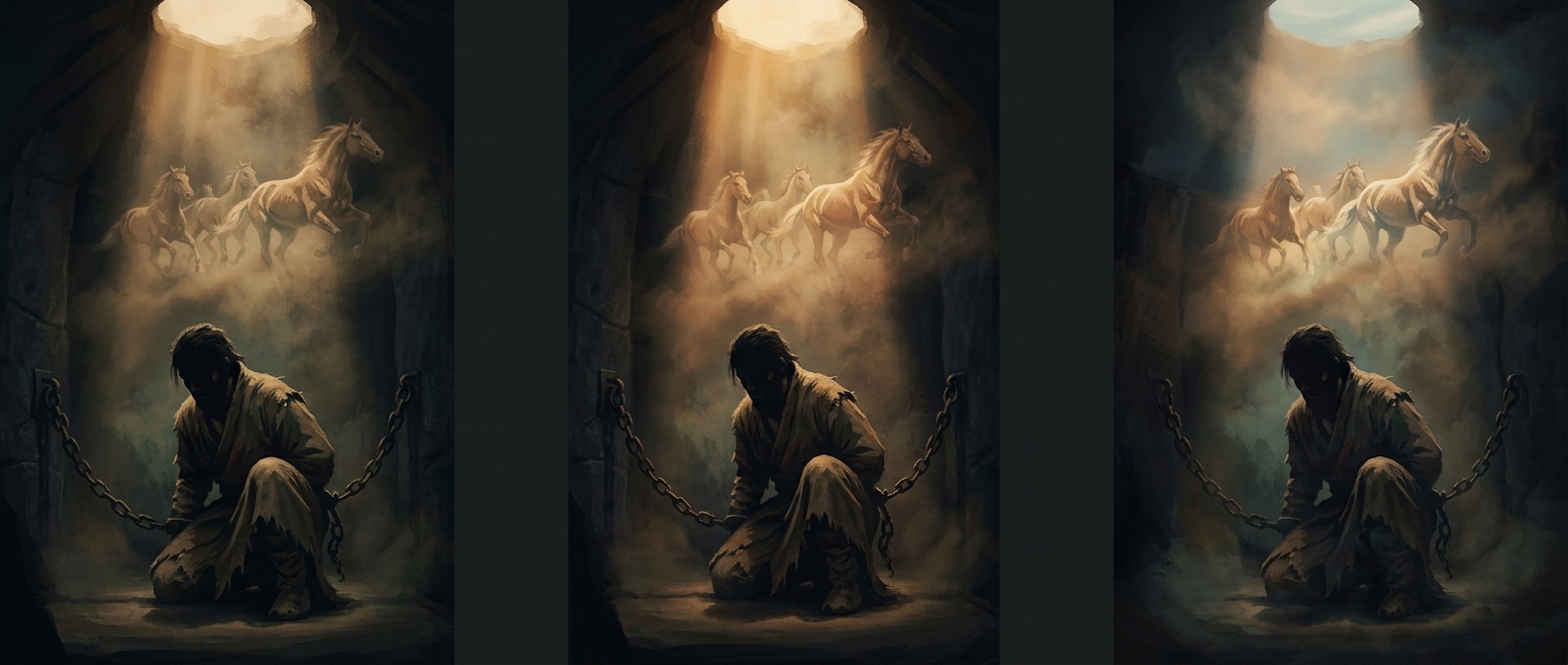
Xiongnu forces captured Zhang before he could reach the Yuezhi. He was kept for roughly ten years, yet eventually escaped and continued west. By the time he found the Yuezhi, they had settled in a new land and had little interest in returning to fight the Xiongnu. The alliance had failed, but Zhang had seen something Han officials knew little about: a chain of kingdoms and trading communities stretching across Central Asia.
A failed alliance became a map
On his return, Zhang reported on the peoples, products and routes he had encountered, including the powerful state of Dayuan in the Ferghana Valley, whose horses later drew Han attention. He did not bring Ferghana horses back from this mission. Instead, his accounts helped the Han court understand where such horses could be found and how far its political and commercial reach might extend.
That knowledge encouraged further missions and contact between China and Central Asia. Zhang’s decade in captivity did not deliver the alliance Wu wanted; it made the world beyond China’s western frontier more legible to the court—and helped lay groundwork for the routes later associated with the Silk Road.