Why Venice made choosing a doge so complicated
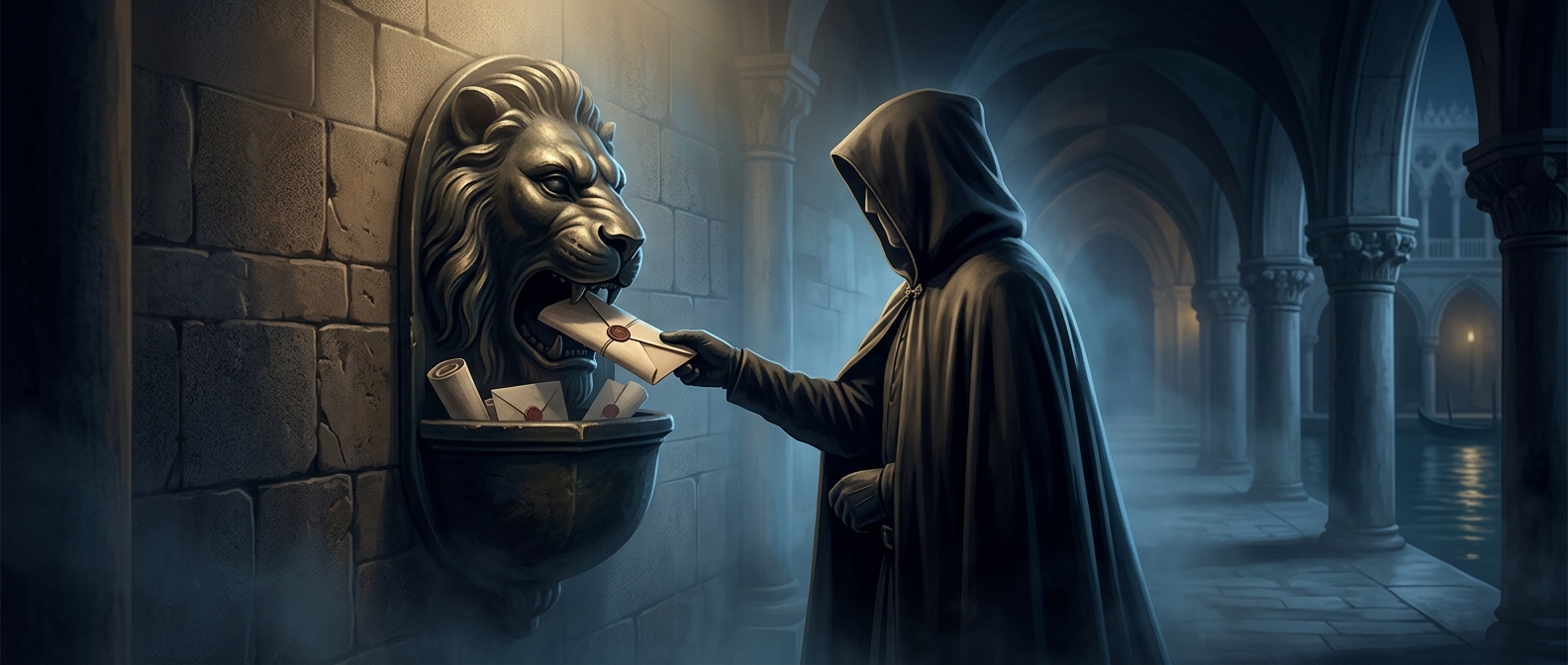
A doge was Venice’s elected head of state, but the office was not meant to be won by a simple popular vote—or handed to whichever powerful family could line up the most supporters. The ruling elite feared that a small clique might capture the election. Venice’s answer was a carefully staged process that mixed voting with random selection.
Lots disrupted factional control
At each stage, eligible men were selected by lot to form a group, and that group then elected or selected the next one. The membership repeatedly changed: a chance draw could bring an unexpected person into the process, while a vote let participants judge the candidates before advancing. The groups were enlarged and reduced in sequence, ending with a body that chose the doge.
Drawing lots did not mean that the doge himself was picked at random. Randomness shaped who took part in the successive rounds; the final choice was made by electors. The system’s point was to make it difficult for one faction to know in advance exactly whom it needed to influence or to dominate every stage.
A safeguard with a cost
The procedure could not erase political rivalry, and it did not make Venice a democracy: political power remained concentrated among the city’s ruling families. But it turned an election into a process with multiple, shifting gates. To secure the office, a faction had to contend not with one predictable assembly, but with a sequence in which chance repeatedly altered who had a say.
That elaborate machinery reflected a practical fear: in a republic governed by a small elite, the way leaders were chosen could itself become a route to domination.