How Fringed Wool Became a Distinctive Look
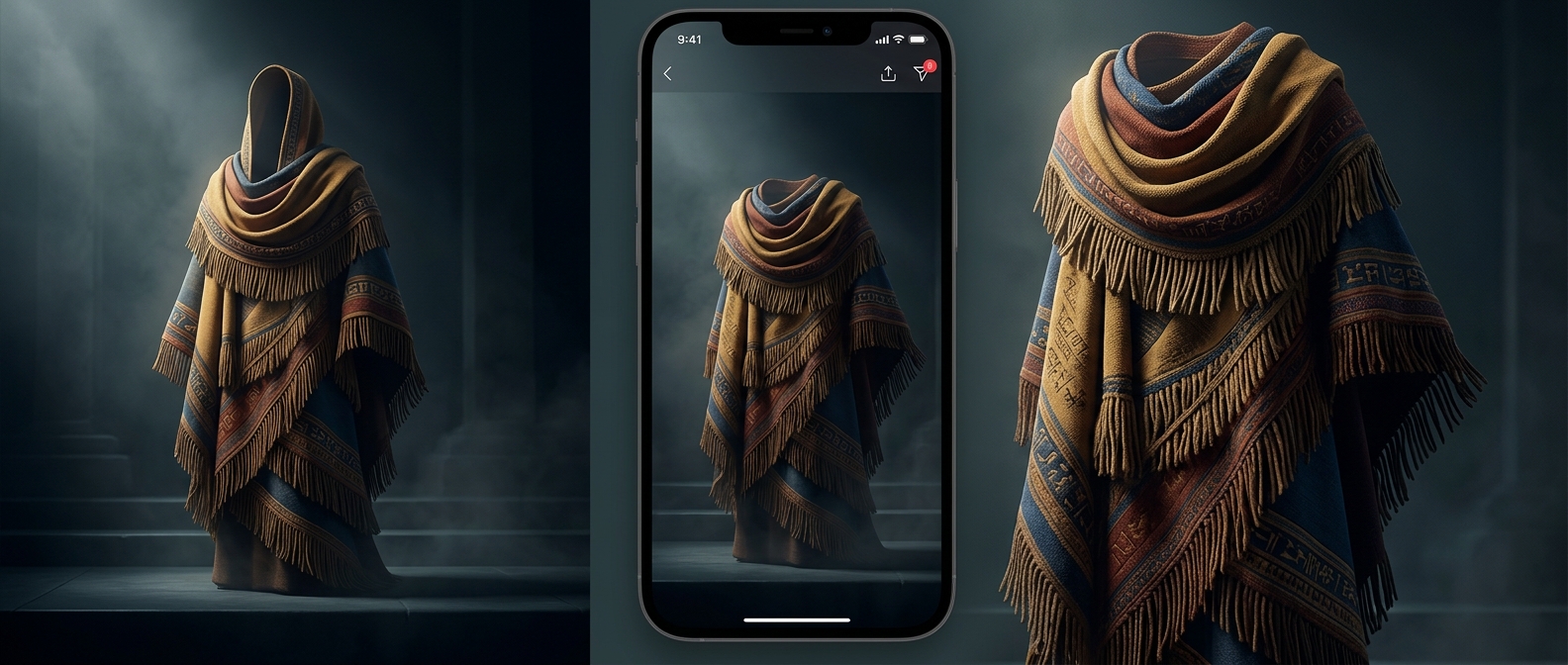
In ancient Mesopotamia, a garment’s outline could come from its surface as much as its cut. Wool cloth was arranged in wraps or shawls, while long fringe—sometimes shown in several overlapping bands—made the fabric hang in dense, textured layers. On some figures, those rows extend almost to the ankles, turning an ordinary wrap into a conspicuous silhouette.
Wool was well suited to a society built around sheep herding and textile work. Turning fleece into clothing required a chain of labor: preparing fibers, spinning yarn, weaving cloth, and finishing the garment. A fringed shawl therefore represented not just a way to cover the body, but skilled work and valuable material.
What the Layers Communicated
The extra texture was visible from a distance. In a crowded street or a formal gathering, a heavy, carefully finished garment could help distinguish its wearer. Mesopotamian art often gives elaborate clothing to powerful or important figures, though images do not tell us exactly what every person wore in daily life.
The details also need to be read cautiously: surviving depictions span different places and periods, and artists rendered clothing in stylized ways. Still, the repeated emphasis on layered fringe shows that it was more than a practical hem. The garment’s rows of wool made workmanship—and the wearer’s ability to display it—part of the look.