A Sticky Defense for a Working Sailor
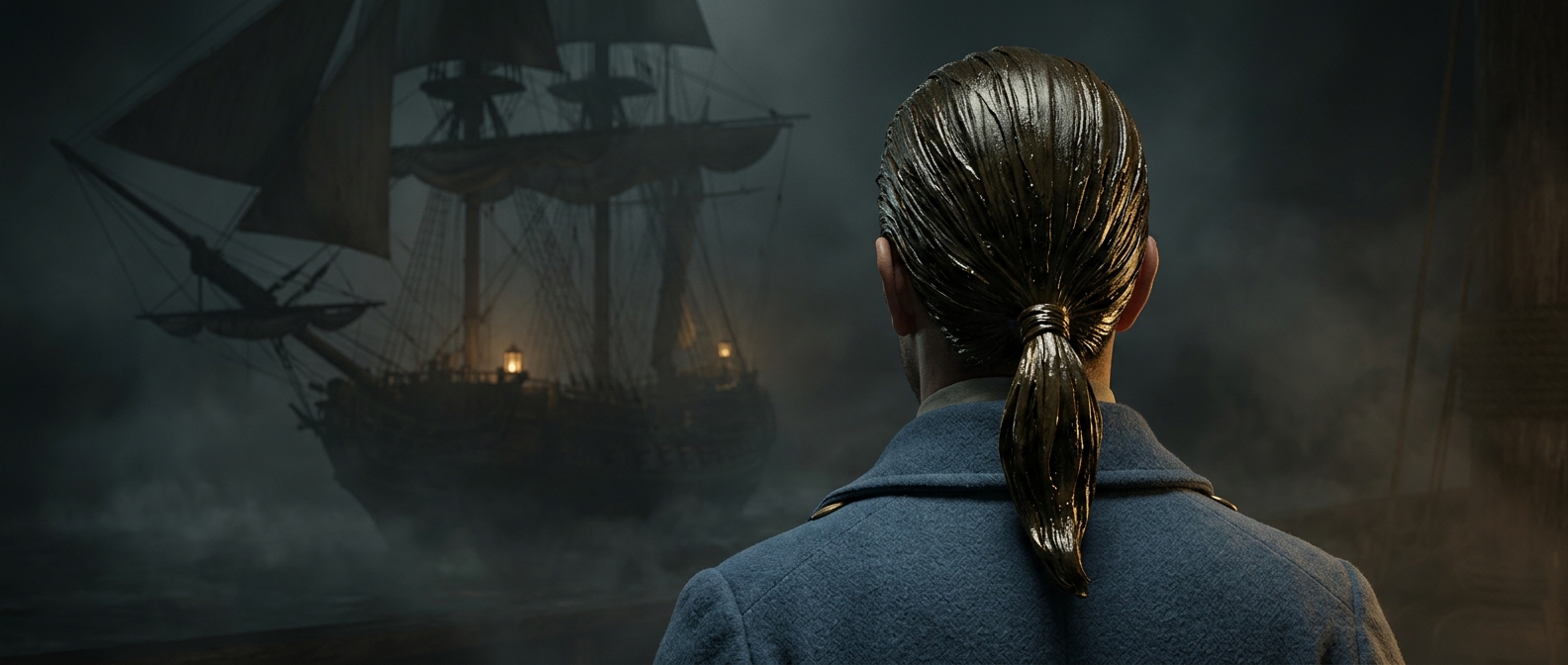
A sailor’s pigtail was more than a fashion choice: gathering long hair into a tied bundle kept it from falling across the face or catching on shipboard work. But below deck, close quarters and limited chances to wash made hair and clothing difficult to keep clean. Lice could spread readily among men living and sleeping together.
Tar offered a rough form of protection. Worked into the hair, its sticky coating made the pigtail less inviting to lice and helped hold loose strands in place. The same coating also resisted rain and spray, keeping the tied hair from becoming as wet and unruly in bad weather. It was an improvised answer to several everyday problems, not a modern grooming treatment.
Why the Tradeoff Made Sense at Sea
Tar was already familiar aboard ships as a material for protecting rope and wood from water and wear. Putting it in a sailor’s hair brought that practical substance into personal use. The result was hardly comfortable or easy to wash out, but a neat, bound pigtail was useful when a sailor had to work in cramped, wet conditions and could not count on frequent bathing.
That is the telling detail: the tarred pigtail turned a hairstyle into a small piece of shipboard equipment—sticky, inconvenient, and valued for keeping hair manageable and pests at bay.