A closer look
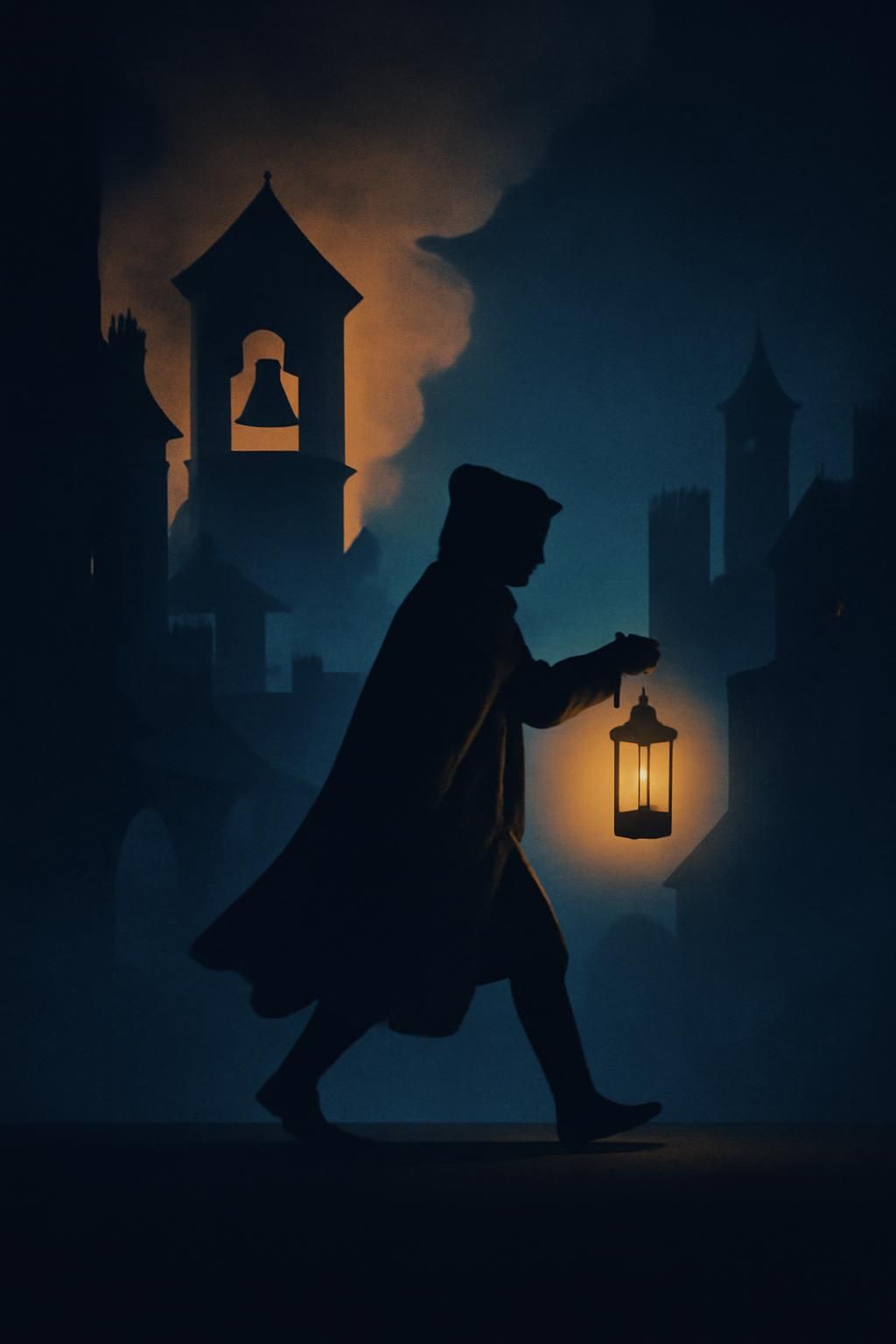
Medieval cities were not quiet, candlelit villages; they were noisy, smoky, and filled with rules about when you were allowed to move in the dark. Many European towns enforced nightly curfews where bells signaled citizens to douse their fires and stay indoors, partly to prevent devastating blazes in wooden neighborhoods and partly to control crime and plotting. If you were caught wandering after hours without a lantern, the night watch could arrest you, beat you, or demand an instant fine. Night belonged to a different class of people: guards, thieves, sex workers, and those desperate enough to risk punishment. The invention of better street lighting and organized police forces later turned cities into 24-hour spaces, helping invent our modern idea of nightlife. The next time you stroll under neon signs at midnight, remember that for most of history, simply walking freely in the dark was a rebellious act.