A closer look
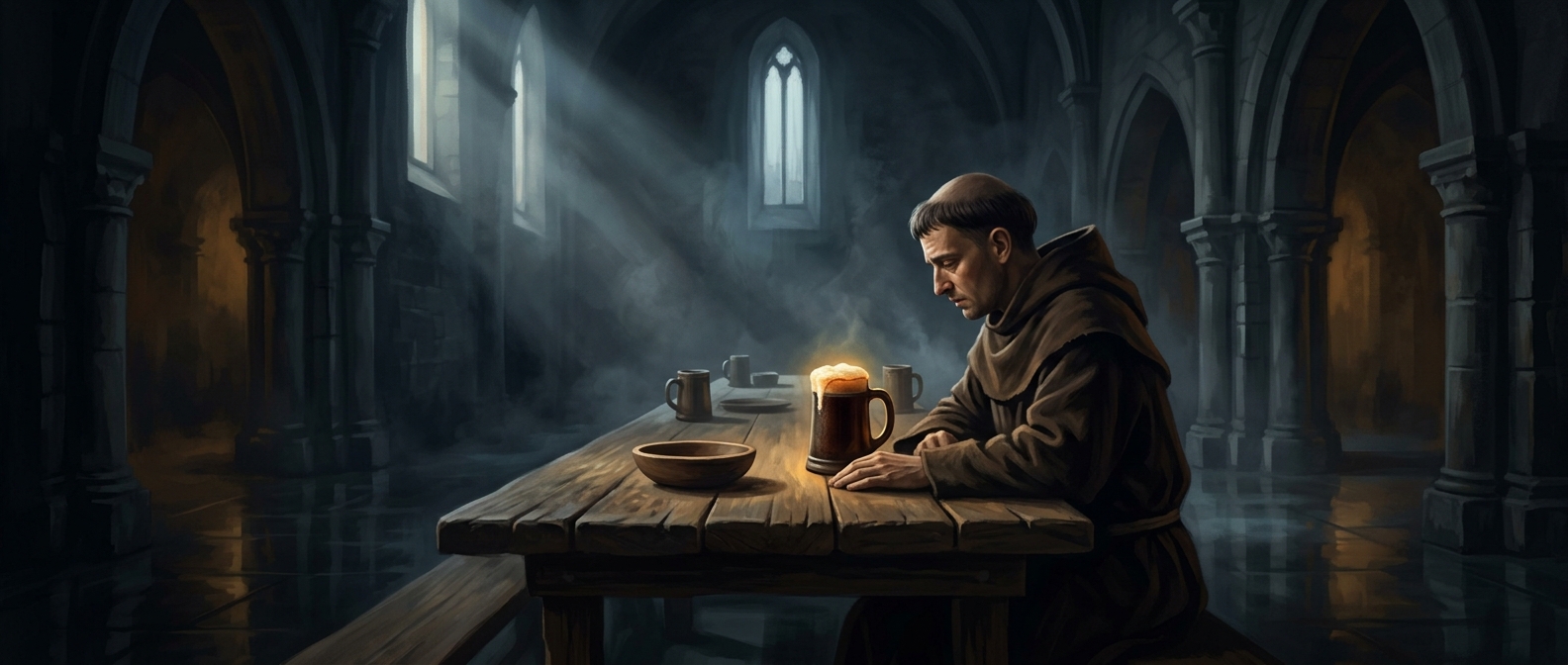
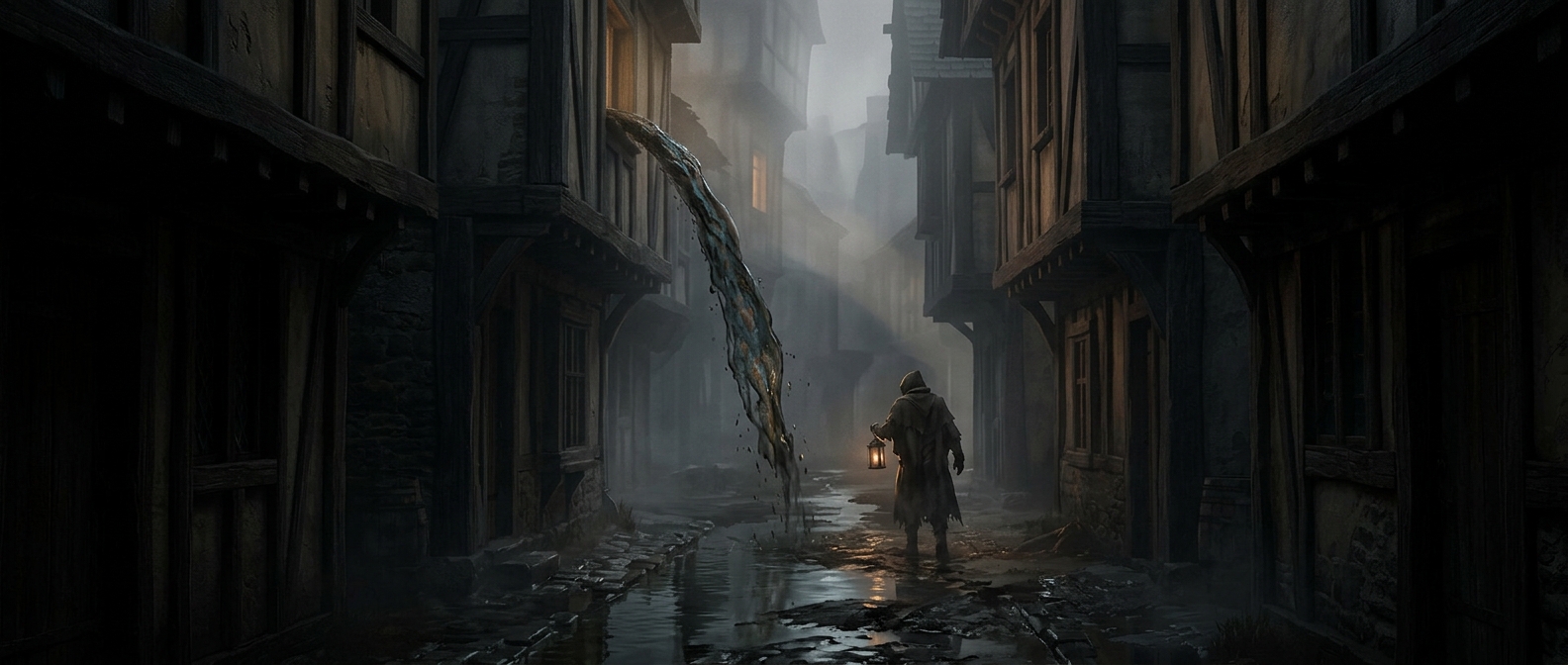
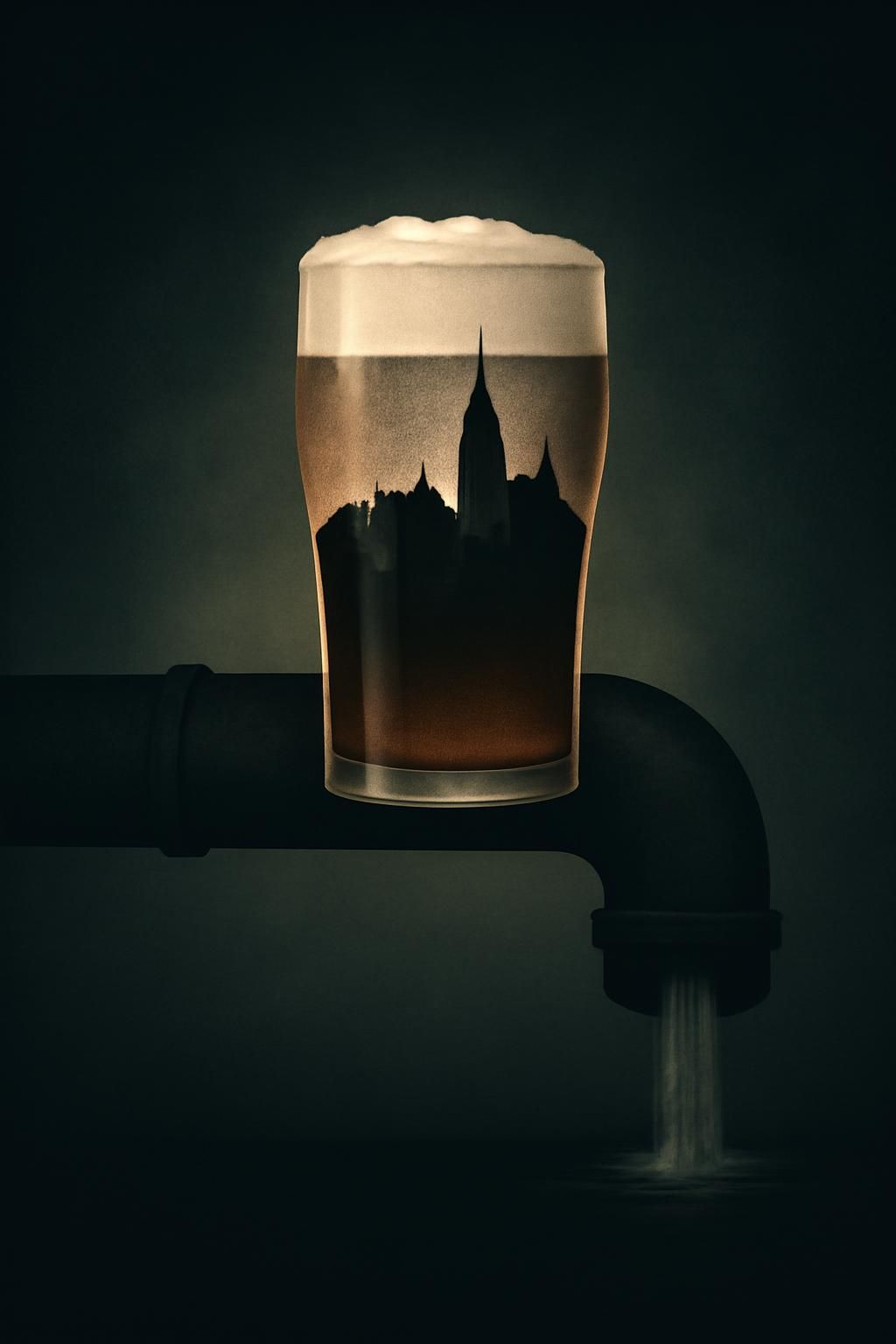
Three centuries ago in many European cities, the safest thing to drink at breakfast was beer. Urban water supplies were often contaminated by sewage and industrial waste, while brewing required boiling, which killed pathogens. So people, including children, started the day with 'small beer' — a weak ale that sounds shocking to modern ears but was considered ordinary hydration. Public health reform and filtration later turned tap water into a trusted staple, and only then did temperance movements and modern work culture begin to frame daytime drinking as deviant. This flip shows how much 'normal' behavior is built on infrastructure, not morality. The next time someone romanticizes the past as simple and pure, remember that the average city dweller existed in a haze of low-grade alcohol, polluted air, and open sewers. Much of what we call progress is invisible precisely because it removed everyday horrors instead of adding glamorous inventions.