A closer look
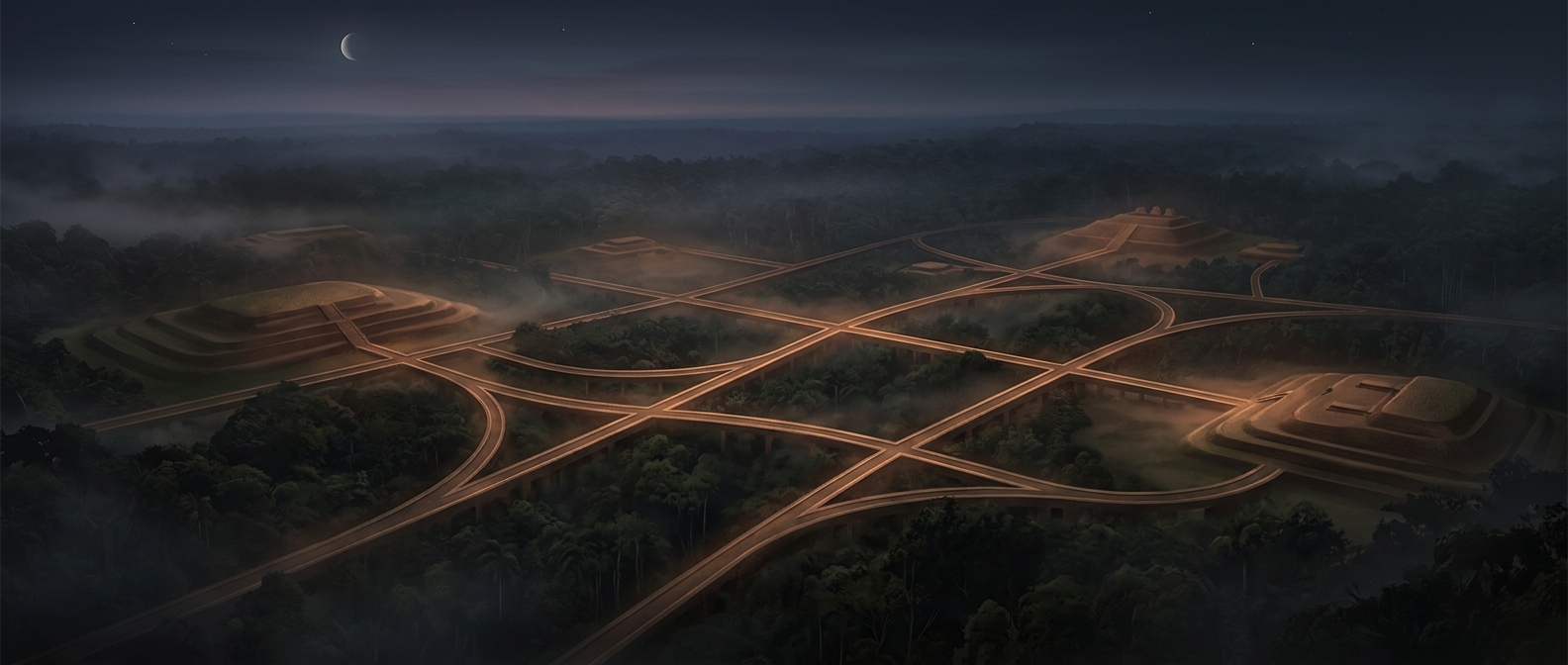
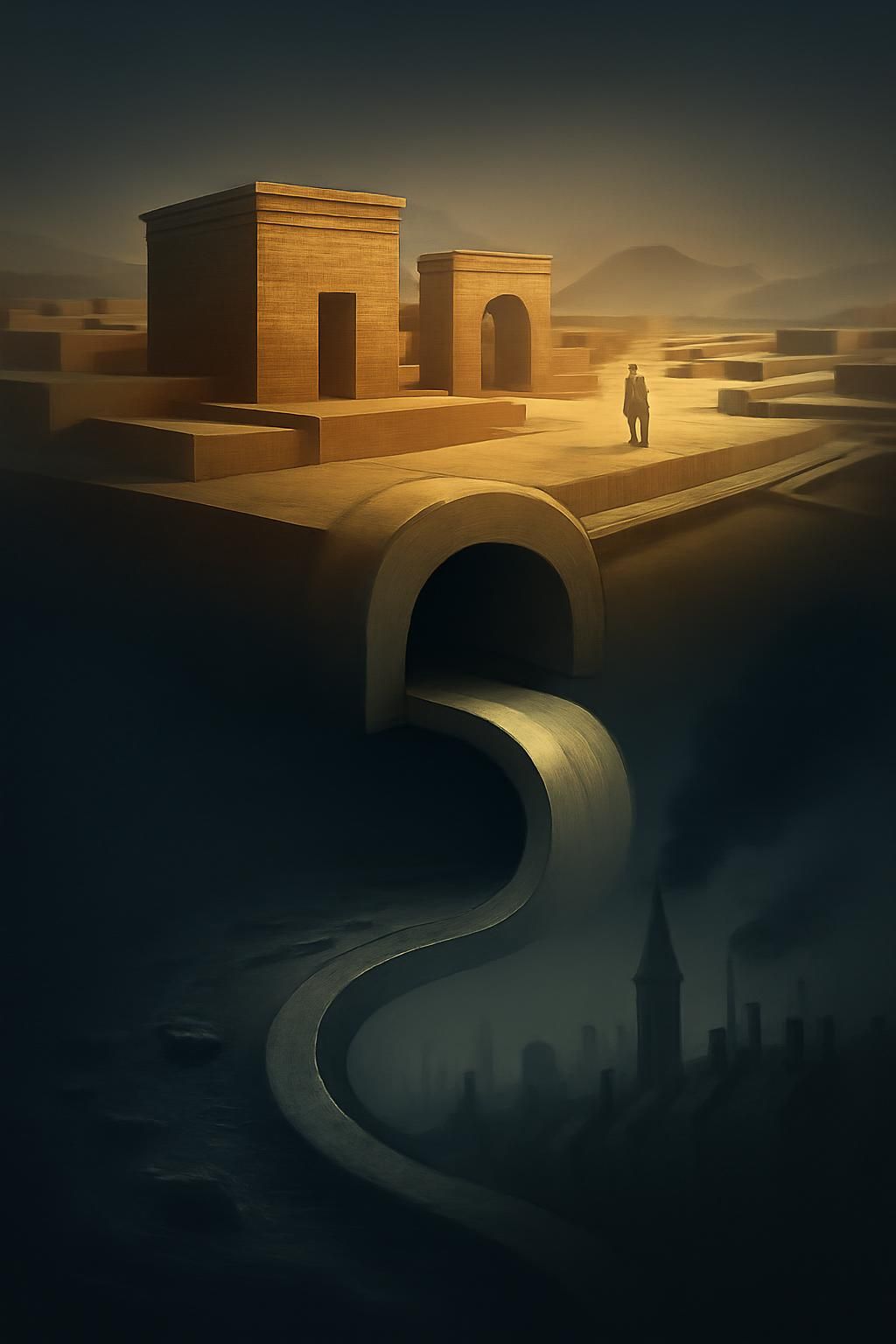
Some of the world's oldest cities had better sanitation than Victorian London. Around 4,000 years ago, the Indus Valley civilizations built settlements like Mohenjo-daro with carefully planned streets, standardized baked-brick houses, and surprisingly sophisticated drainage. Many homes had private bathing areas linked to covered sewers that channeled waste away. Meanwhile, much later European cities often dumped refuse into open gutters or rivers, breeding disease that killed thousands in recurring waves. How did such complexity appear so early and then vanish. The answer lies in fragile networks: when trade, climate, or politics shift, entire knowledge systems can collapse, leaving later societies to reinvent basic ideas. It is a humbling reminder that progress is not a straight staircase upward. We are capable of losing good solutions for centuries, then treating their rediscovery as cutting-edge innovation.