How Stone Builders Turned the Sky Into a Calendar
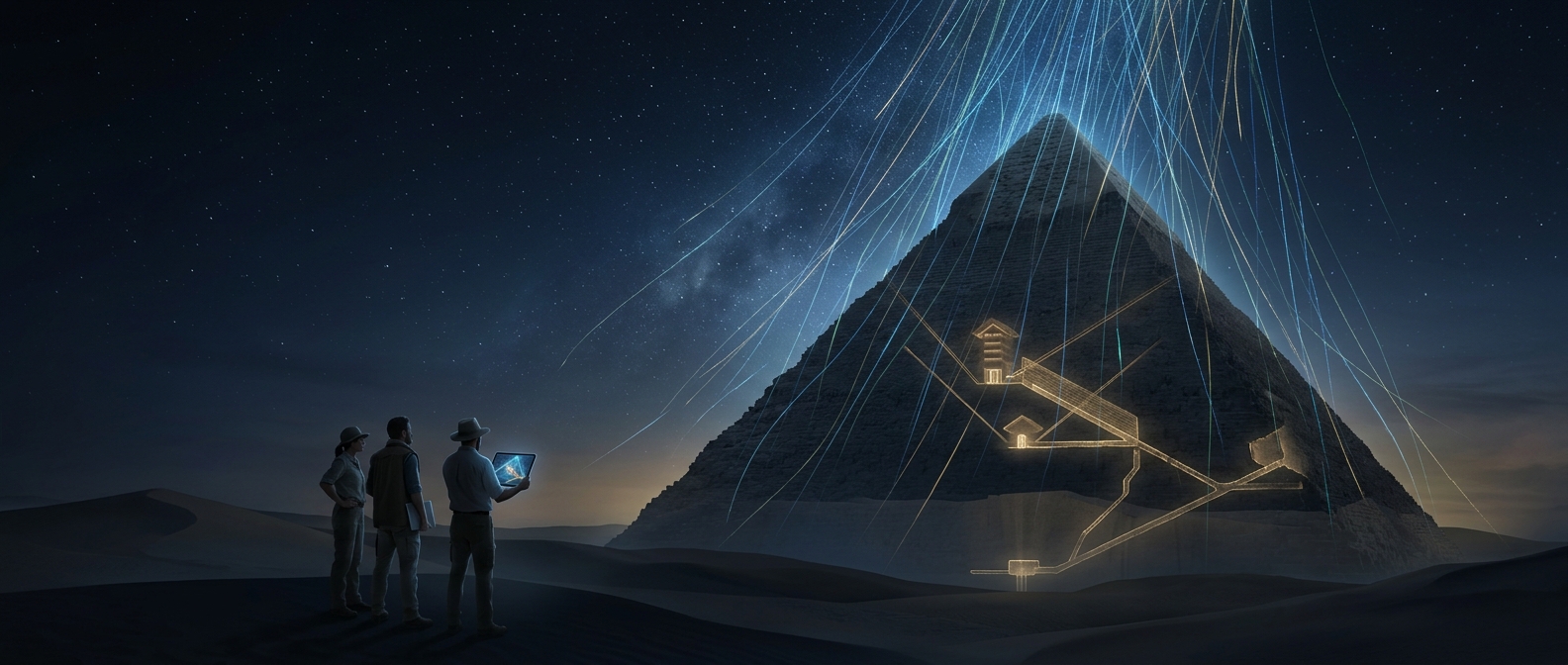
A monument aligned with the sunrise can look like a message left by a vanished people. Often, it was also a practical instrument. By watching where the Sun rose or set along the horizon through the year, builders could mark seasonal changes and coordinate ceremonies or community life. Repeated observations—not telescopes or secret machinery—could reveal the pattern. Some structures were deliberately oriented to celestial events; others may owe their direction to terrain, building traditions, or chance.
An alignment that seems exact today also depends on what is being measured. A doorway may frame a sunrise on a particular day without every stone being cut to modern surveying tolerances. Researchers must distinguish a purposeful sightline from a coincidence, and account for changes in the horizon and Earth’s orientation over long periods.
Moving Stone Without Modern Machines
Builders had tools that were simple but powerful when combined: ropes, wooden sledges, rollers in some settings, levers, ramps, and large organized workforces. A sledge could reduce the effort of dragging a block; a ramp could turn a difficult vertical lift into a gradual climb. The exact methods varied by place and project, and the evidence does not support one universal recipe.
Modern engineers can often move heavier loads with cranes, but that does not make ancient construction effortless—or impossible to explain. Reproducing a monument by hand would demand careful planning, skilled labor, and substantial time. The stones preserve the result; they rarely preserve a complete construction manual.
Why a City’s Ruins Outlast Its People
The impression that an entire civilization simply disappeared can be misleading. Communities might abandon a capital, shift toward other settlements, change political systems, or adapt to drought, conflict, trade disruption, and other pressures. People and cultural practices could continue even as a particular monumental center declined. Stone buildings endure, while wooden houses, crops, and everyday objects decay or are reused, making the past look more abruptly empty than it was.
That imbalance is the real source of the mystery: the most durable evidence is often the least complete. A precisely placed stone can preserve a decision about the sky, while the ordinary lives and later changes around it leave a much fainter trace.