Strasbourg’s 1518 dancing outbreak
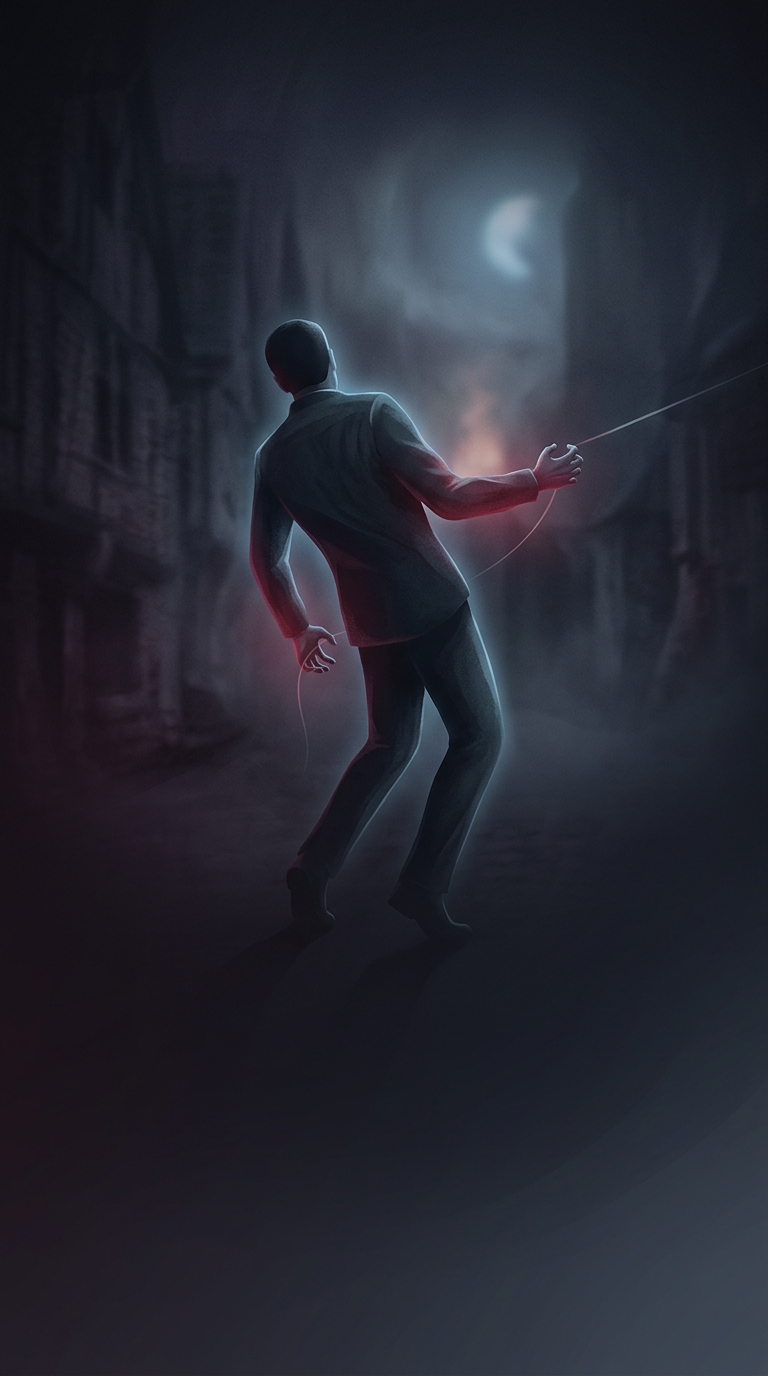
In the summer of 1518, people in Strasbourg—then part of the Holy Roman Empire, in what is now France—began dancing in public for hours at a time. The first widely described dancer was a woman named Frau Troffea. Others joined, and accounts say some continued until they collapsed from exhaustion. The episode became known as the Dancing Plague.
The name can mislead: there is no evidence that a contagious disease made people dance. The surviving accounts describe a striking public crisis, but they do not let historians diagnose it with confidence or establish precisely how many people were affected.
How the city’s response may have prolonged it
Officials initially treated the dancing as a bodily illness that needed to run its course. They provided space for it and arranged music and professional dancers, apparently hoping that keeping the afflicted moving would help them recover. Instead, the public performance may have made the episode more intense: music and crowds gave the dancers a setting in which to continue, while exhaustion brought some of them down.
The authorities later reversed course, restricting music and dancing and directing sufferers toward religious remedies, including a pilgrimage to a shrine associated with St. Vitus. That shift reflected the period’s mix of medical and religious explanations for unusual behavior—not a modern understanding of mass psychology.
A cause that remains uncertain
Historians have proposed that severe stress, hunger, illness, or religious fear might have contributed to a mass psychogenic illness: physical symptoms that spread through a group under intense shared pressure, without a single infectious cause. But the evidence is too limited to prove one explanation. The episode’s clearest lesson is about the response: treating a frightening group crisis as a spectacle may have helped sustain it, while the records leave the dancers’ exact experience beyond our reach.