A choice inside a fixed sentence
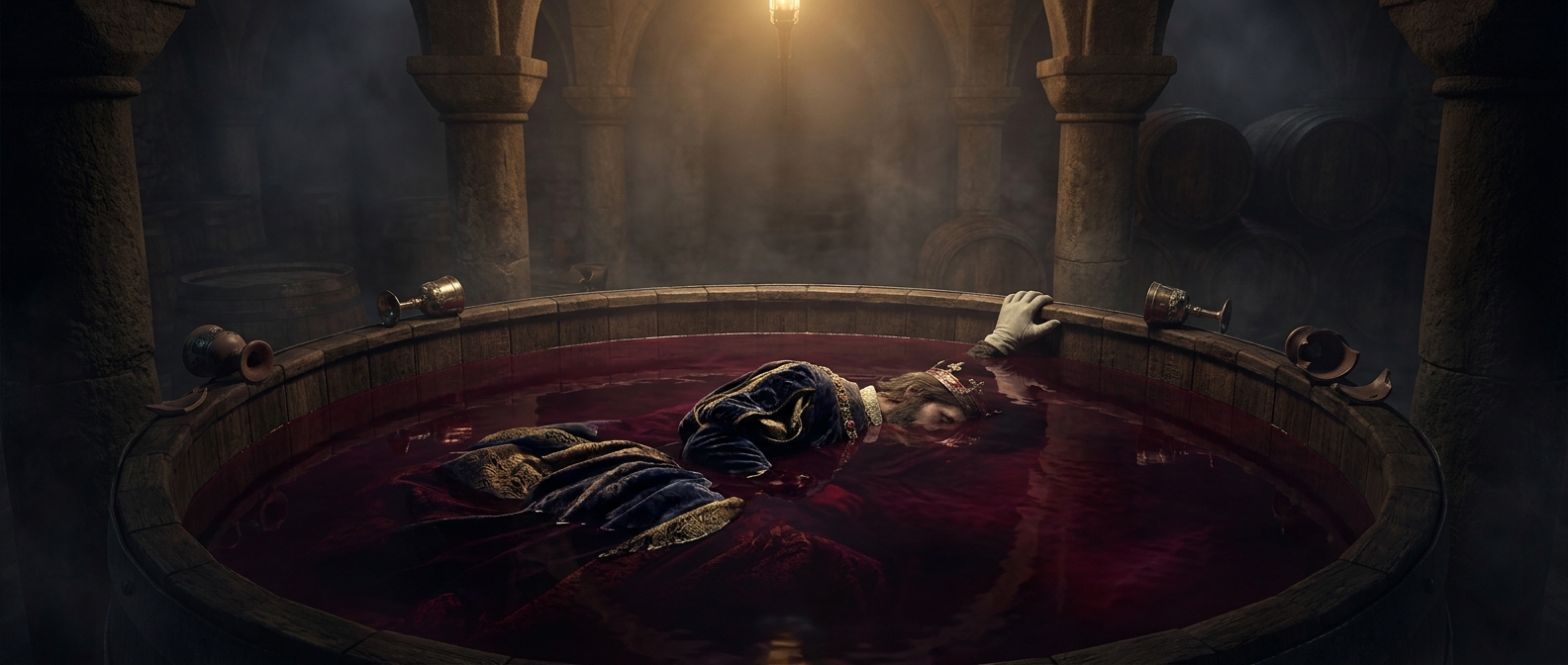
The striking part of this execution was not that the condemned man escaped punishment, but that he could select its form. His sentence remained death; the choice changed the manner of dying and the scene that onlookers would witness.
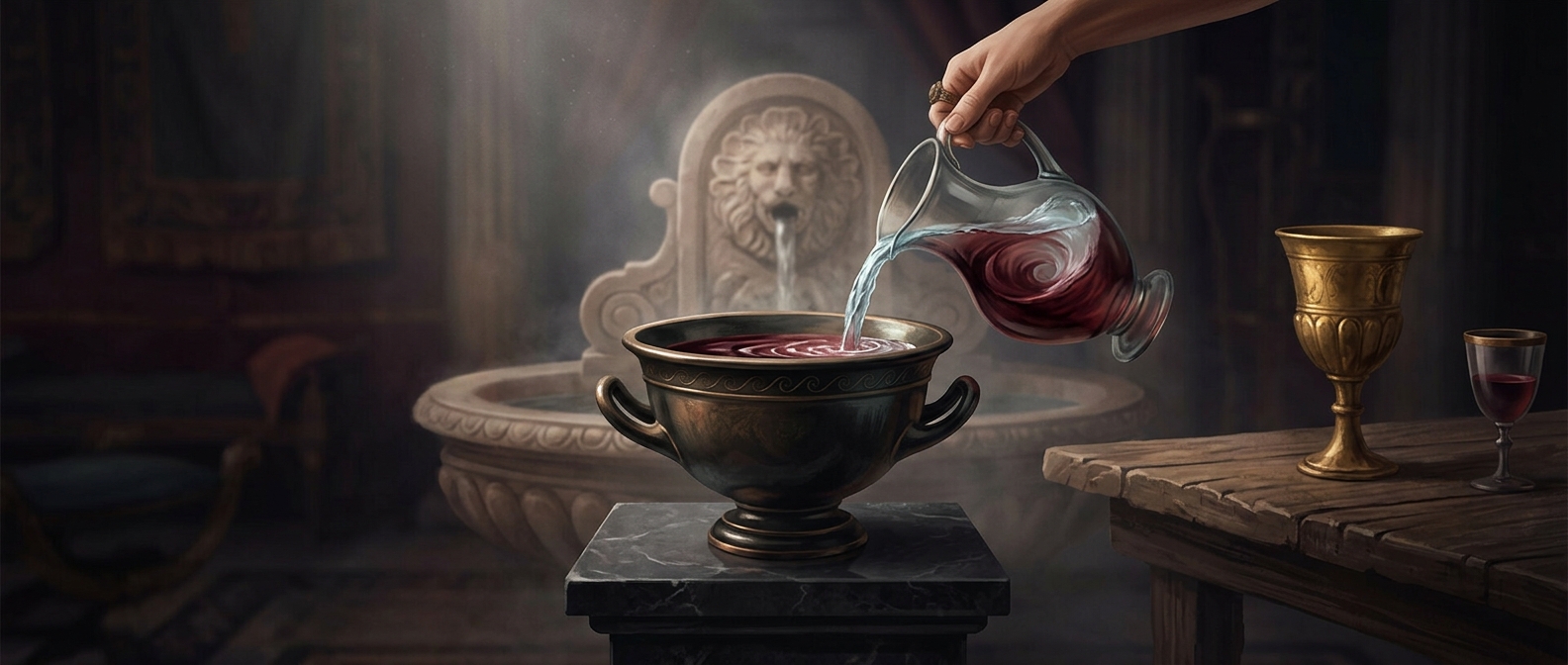
A vat of wine turned an execution into an extravagant display. Wine was valuable enough to make the method conspicuous, especially when it had been brought from abroad. The imported drink was not merely a practical substitute for a conventional execution: its abundance and cost made the spectacle part of the punishment.
Why offer a condemned man a choice?
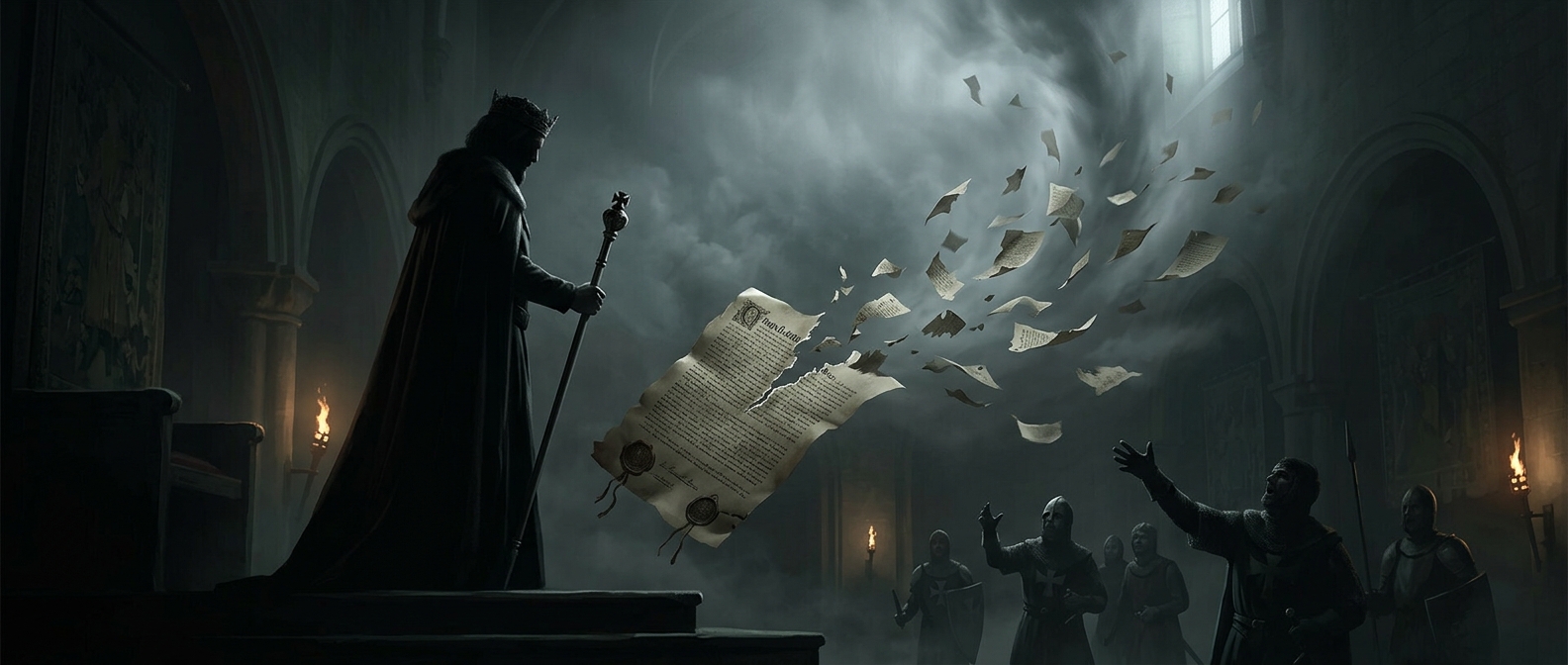
Such permission did not necessarily signal mercy. A ruler or authority could preserve the sentence while allowing a condemned person some control over its final moments. That small concession might also make the death more memorable—and underscore that even an unusual, costly choice could not undo the judgment.
The contrast is what gives the episode its force: a man could choose the wine, but not whether he would die. The vat made the ending lavish; the sentence made it final.