A ritual seen from the enemy’s side
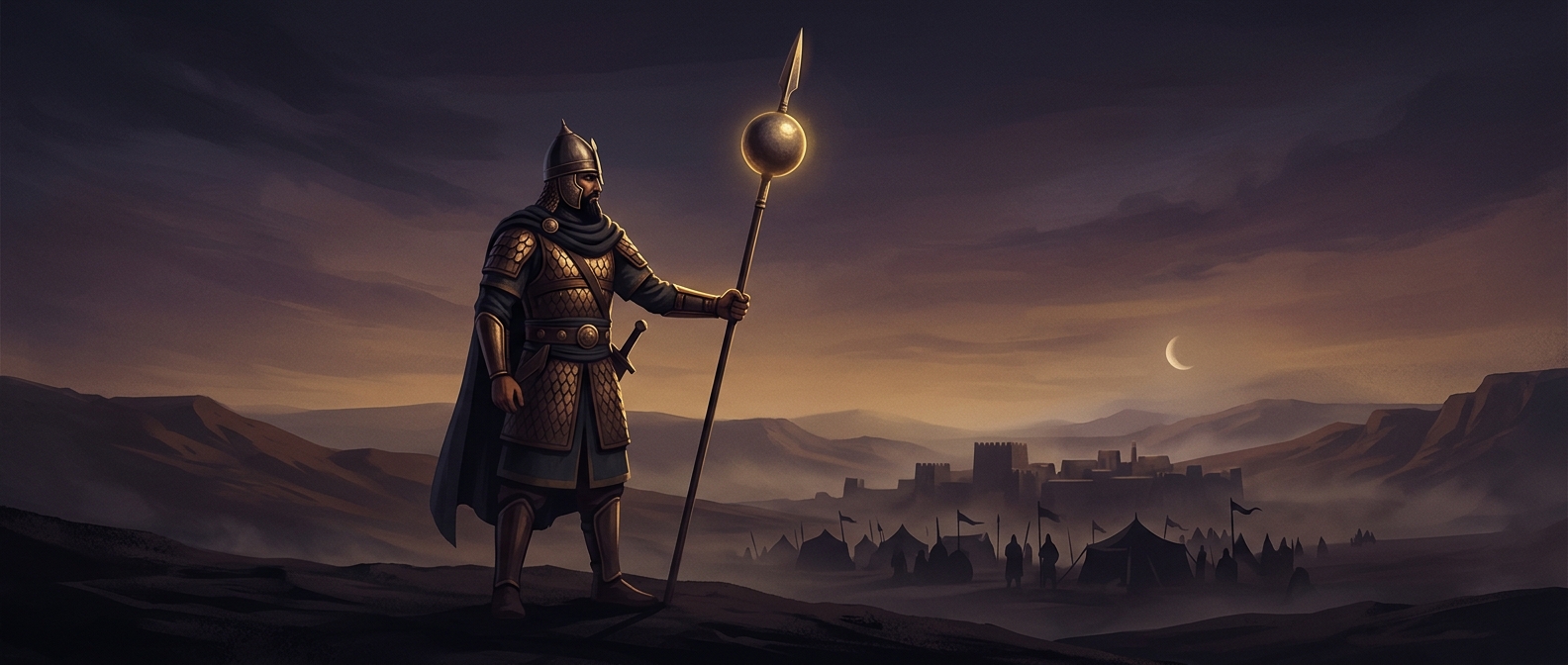
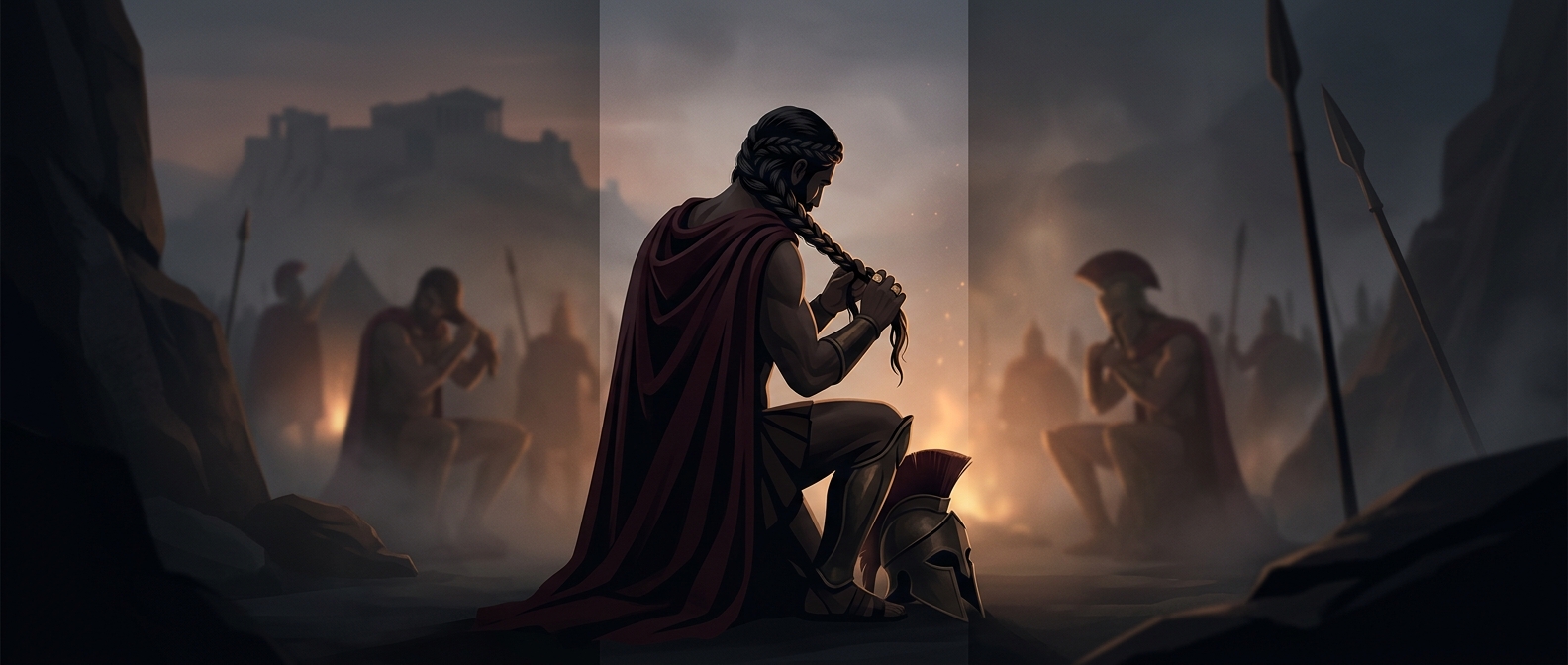
The story of Spartans arranging their hair before battle survives because it was striking to an observer. Herodotus recounts that, before the Battle of Thermopylae, a Persian scout reported seeing the Spartans combing and tending their hair. The Persian king, Xerxes, asked a Greek exile what the behavior meant. The reply was that the Spartans were preparing themselves for battle—and that, if they faced death, they would want to meet it looking their best.
The scene is often retold as proof of Spartan fearlessness. Its force comes from the contrast: while an invading army advanced, the men appeared unhurried, occupied with a deliberate routine. But the account does not tell us that every Spartan braided his hair in a fixed prebattle ceremony, or that grooming itself had a military function.
Hair as a sign of Spartan identity
Long hair was associated with adult Spartan men and could serve as a visible mark of status and self-presentation. In the story, the grooming is therefore more than practical tidying. It signals that the warriors were attending to their appearance according to their customs even at a moment of extreme danger.
That composure also had a strategic effect. The scout’s report carried the image back to Xerxes, where a Greek exile interpreted it as a sign that the Spartans did not expect to run. The enemy’s reading turned an ordinary act of preparation into a message about resolve. Whether the Spartans intended to send that message is unknown; the episode matters because it shows how their bearing was understood by others.
A small scene before a famous defeat
At Thermopylae, a small Greek force held a narrow pass against the Persian army in 480 BCE. The Spartans and their allies were eventually overwhelmed, but the stand became a lasting emblem of resistance. The hair story helps explain how that reputation took shape: not only through fighting, but through a reported calm that made even preparation look like defiance.