A newborn’s first test, in the Spartan ideal
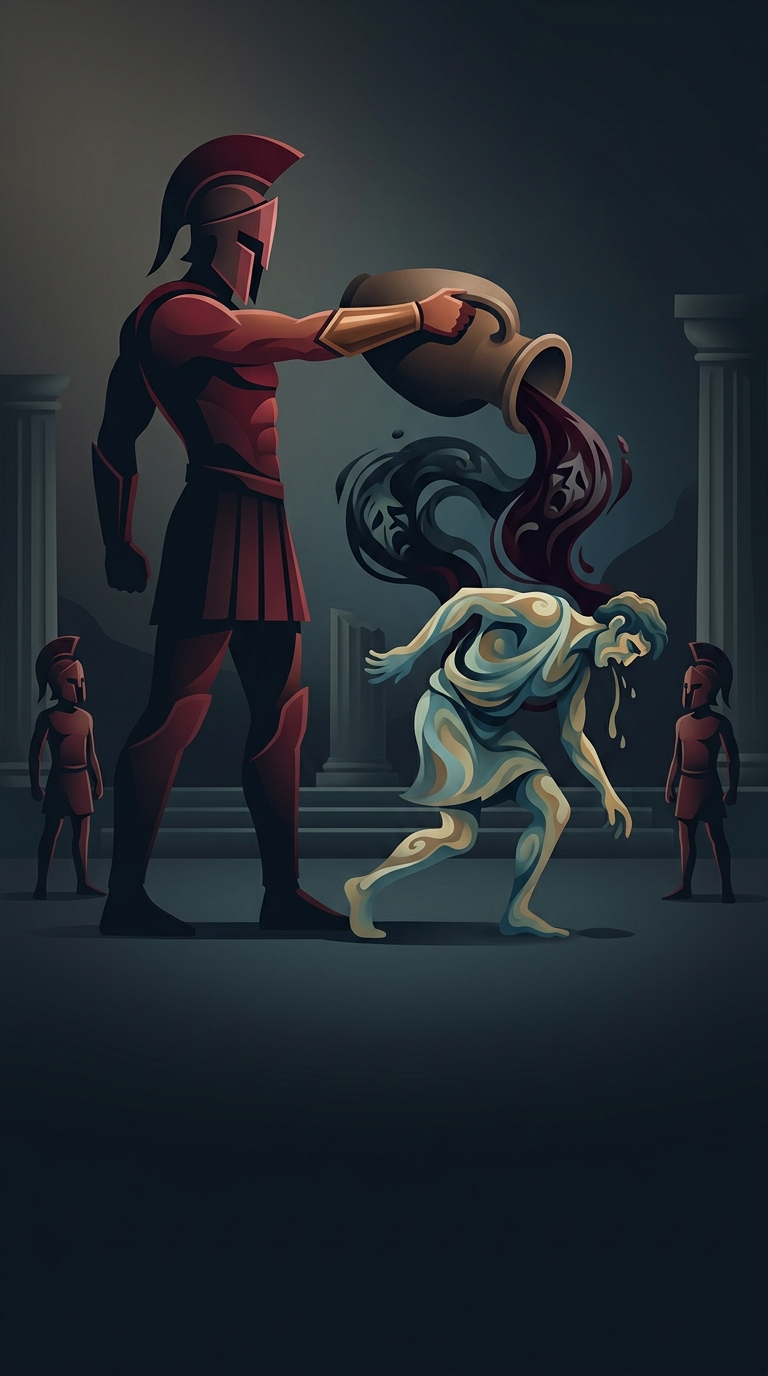
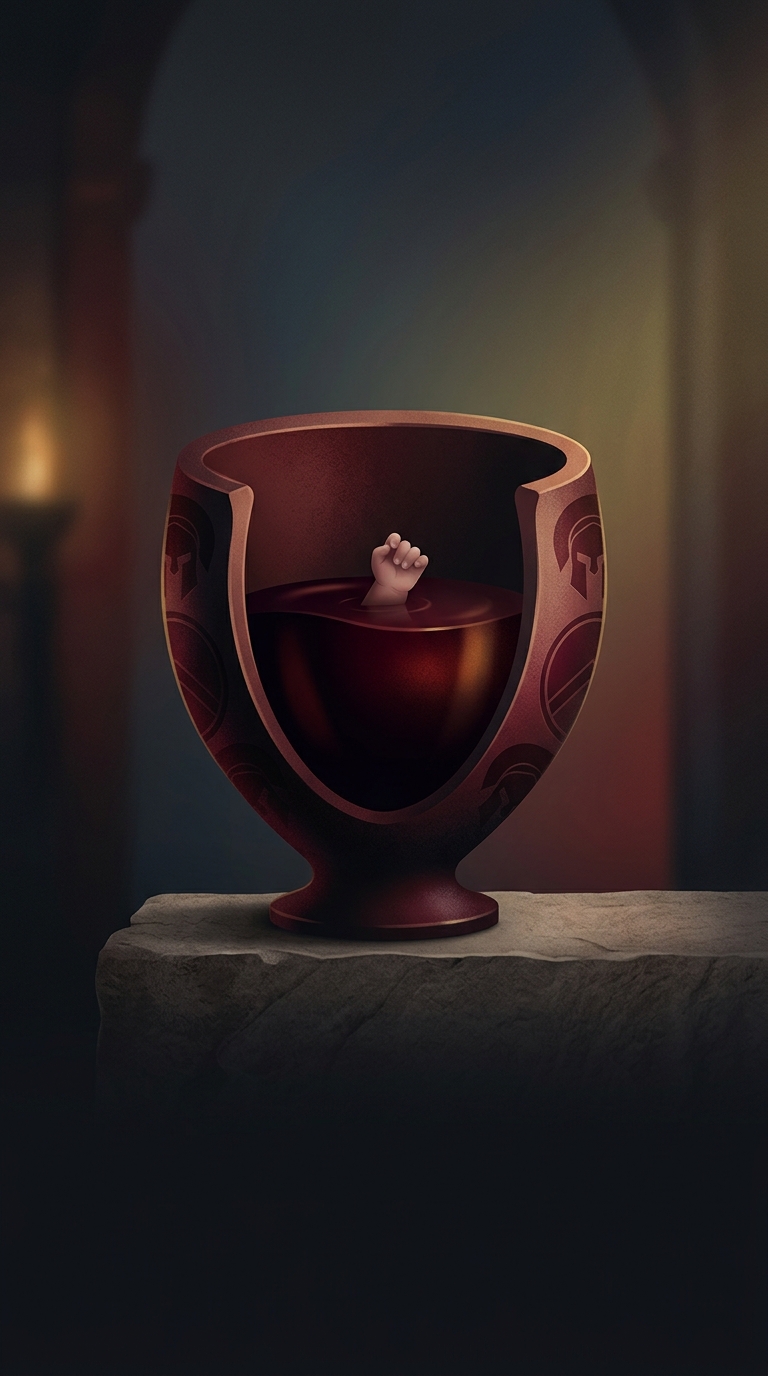
Ancient writers described Spartan women bathing newborns in wine as a way to expose weakness: a frail baby, the story claimed, would react badly, while a sturdy one would endure. The point was not that alcohol could reliably predict a child’s future, but that survival itself could be read as a sign of fitness.
That story fits a broader Spartan ideal: a person’s body and abilities were treated as matters of public concern, especially when they might serve the city in war. In later accounts of Spartan custom, elders assessed infants, and boys who grew up in the community entered a demanding system of training and discipline. The wine bath compresses that larger outlook into a stark image: even at birth, the individual was judged against the needs of the state.
What the test could—and could not—prove
A newborn’s response to wine would not establish whether the child would become a capable soldier years later. The test worked as a symbolic ordeal, not a meaningful forecast: it turned a difficult-to-predict future into an immediate judgment about toughness. Its logic also made the outcome seem self-confirming. A survivor could be praised as strong; a child who died could be treated as having revealed weakness.
The account reaches us as a description of Spartan practice, not as a documented medical procedure whose effects can be independently measured. Its lasting significance lies in what it says about the culture’s ideal of fitness: military readiness was imagined not simply as something training produced, but as a quality a person should display from the very beginning.