A victory carried on foot
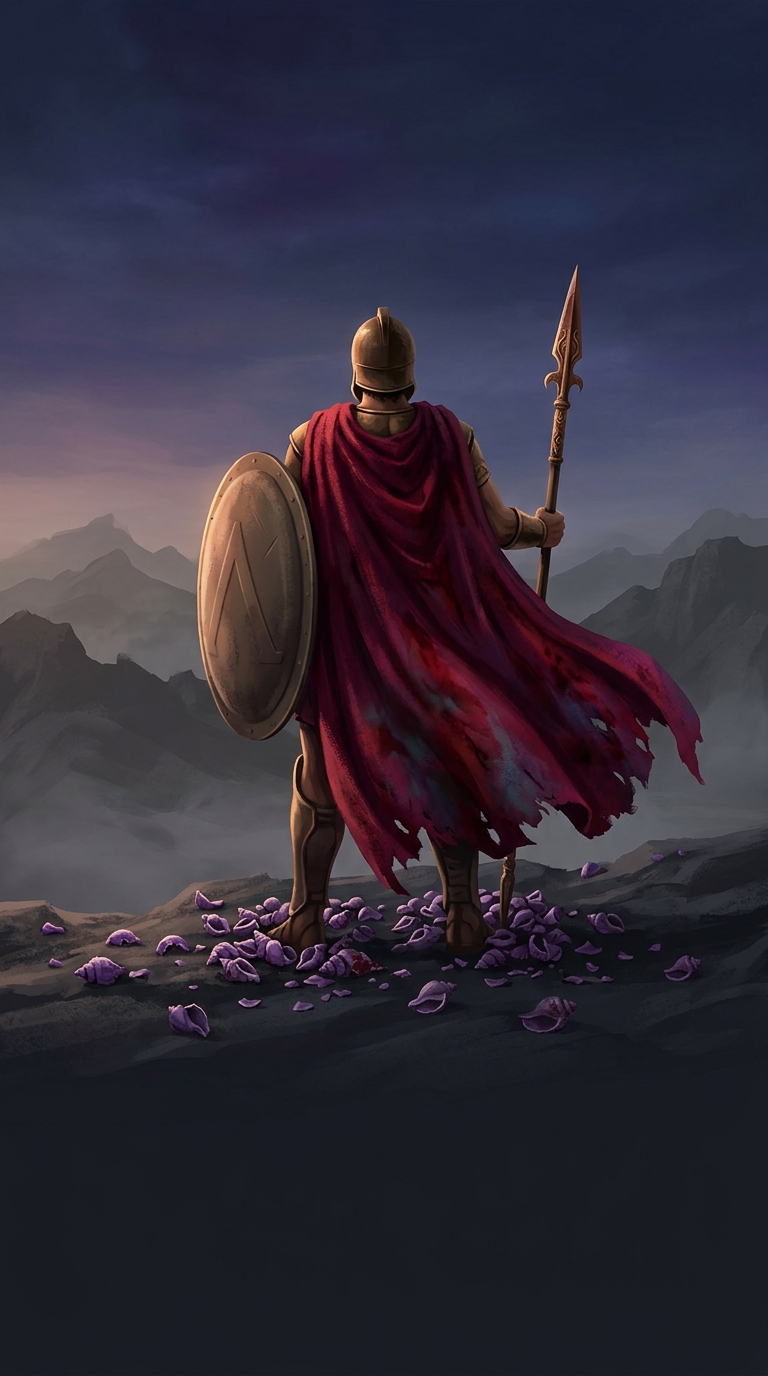
The marathon’s origin story is really a story about communication under pressure. In the famous version, after the Athenians defeated the Persians at Marathon in 490 BCE, a messenger ran to Athens with the news. He delivered the victory message, then collapsed and died. The run made the distance itself part of the story: the city learned it had survived because someone carried the news there on foot.
The tale is often attached to Pheidippides, but ancient accounts do not all describe the same journey. Herodotus writes of a runner named Pheidippides traveling from Athens to Sparta before the battle to seek help; the post-battle run to Athens appears in later tradition. The modern marathon draws on the memorable legend, not a single settled historical record.
How a story became a race
At the first modern Olympic Games, held in Athens in 1896, organizers created a long-distance race connecting the revival of the Olympics to Greece’s ancient past. Its name and route evoked the messenger’s journey from Marathon to Athens. The event did not simply preserve an ancient contest; it turned a tale of urgent news and personal sacrifice into a test athletes could repeat and spectators could follow.
The distance later settled at 26 miles and 385 yards, or 26.2 miles. That length came from the course used at the 1908 London Olympics and became the standard in 1921. The oddly specific finish is a reminder that the modern race grew through its own history, even as its name reaches back to a legendary run.