Science
Discover facts about science. Small discoveries that change the way you see familiar things.
Science
Spooky action at a distance baffles everyone
Entangled particles can produce linked measurement results, but they do not send messages faster than light. Each observer gets a result they cannot choose;…
Discover more
Random mutations creating bizarre creatures
The platypus’s mix of traits accumulated over many generations. Mutations supplied variations, and natural selection shaped which ones were passed along and…
Discover more
Cats squeeze through gaps without a rigid shoulder bar
Their shoulder blades are supported largely by muscle, and their small collarbones do not form the same rigid connection as ours. Together with a flexible…
Discover more
Why nothing can travel faster than light
The closer an object with mass gets to light speed, the more energy it takes to speed it up further. Reaching the limit would require infinite energy, so no…
Discover more
Invisible magnetic fields casually pushing metals apart
A magnet can move another magnet across a gap because its magnetic field acts through the space between them. Face like poles toward each other and they…
Discover more
The carnival ride that pins you to the wall
A spinning wall shoves inward on each rider, and the riders shove back against it. The resulting pressure creates enough friction to hold them up after the…
Discover more STACKY FOR IPHONE
A bigger world.
One discovery
at a time.
Keep discovering with Stacky. Interesting facts in an app that is always within reach.
Mushrooms have more in common with animals
Mushrooms may look like plants, but their evolutionary family tree places fungi closer to animals. That means a mushroom is more closely related to the person…
Discover more
Tornado sirens may be useless indoors
Outdoor tornado sirens are built to carry sound across open air, not through a house. Walls and closed windows muffle them, and a conversation or running…
Discover more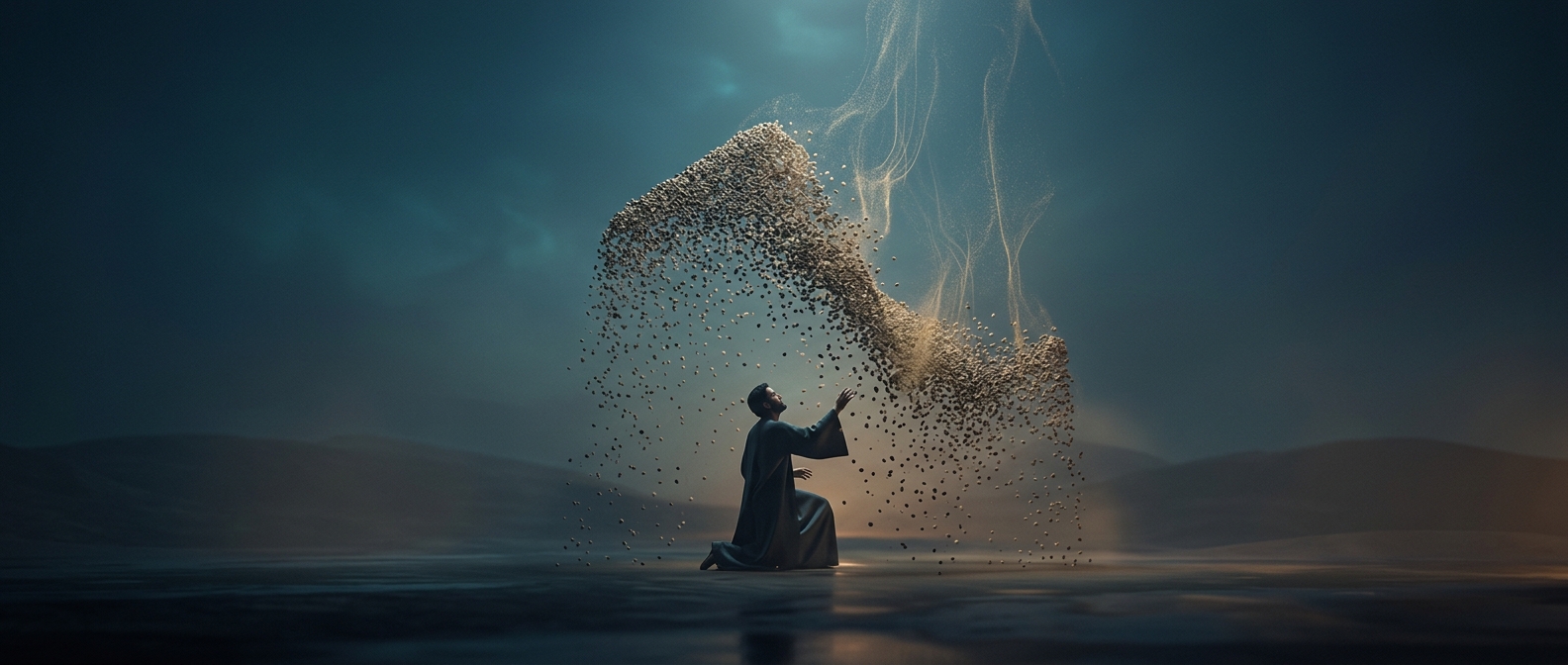
One grain exposes the problem with the word heap
A pile can lose grain after grain without any one removal looking like the moment it stops being a heap. Keep going, though, and eventually only one grain…
Discover more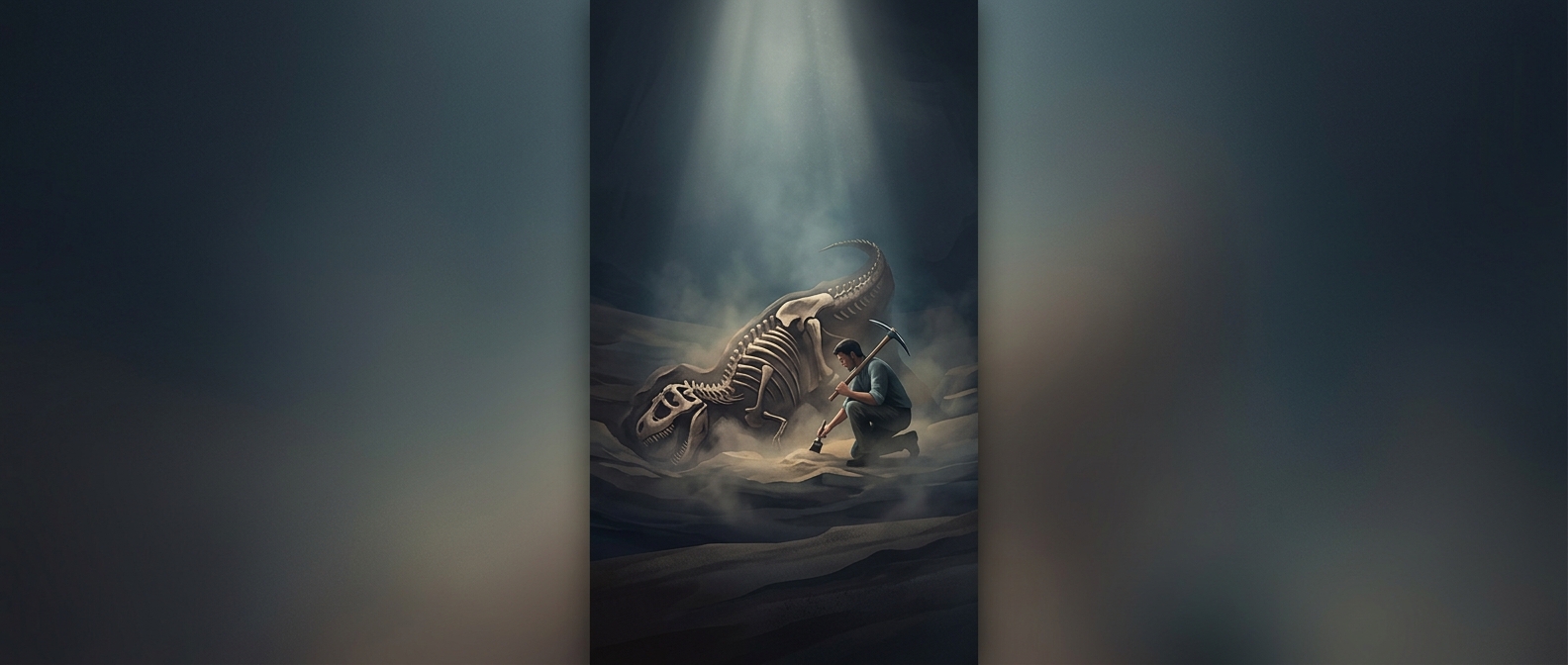
Digging up the dinosaurs' final days
Layers of rock preserve a timeline: lower layers formed earlier, and layers above the asteroid-impact boundary formed later. Researchers compare fossils on…
Discover more
How a balloon can bend a stream of water
Rubbing the balloon on carpet leaves it electrically charged. Water molecules have slightly positive and negative ends, so the charge turns them toward the…
Discover more
Mushrooms are closer to animals than plants
Mushrooms don’t make food from sunlight the way plants do; fungi release chemicals into their surroundings and absorb the nutrients that result. Their cell…
Discover more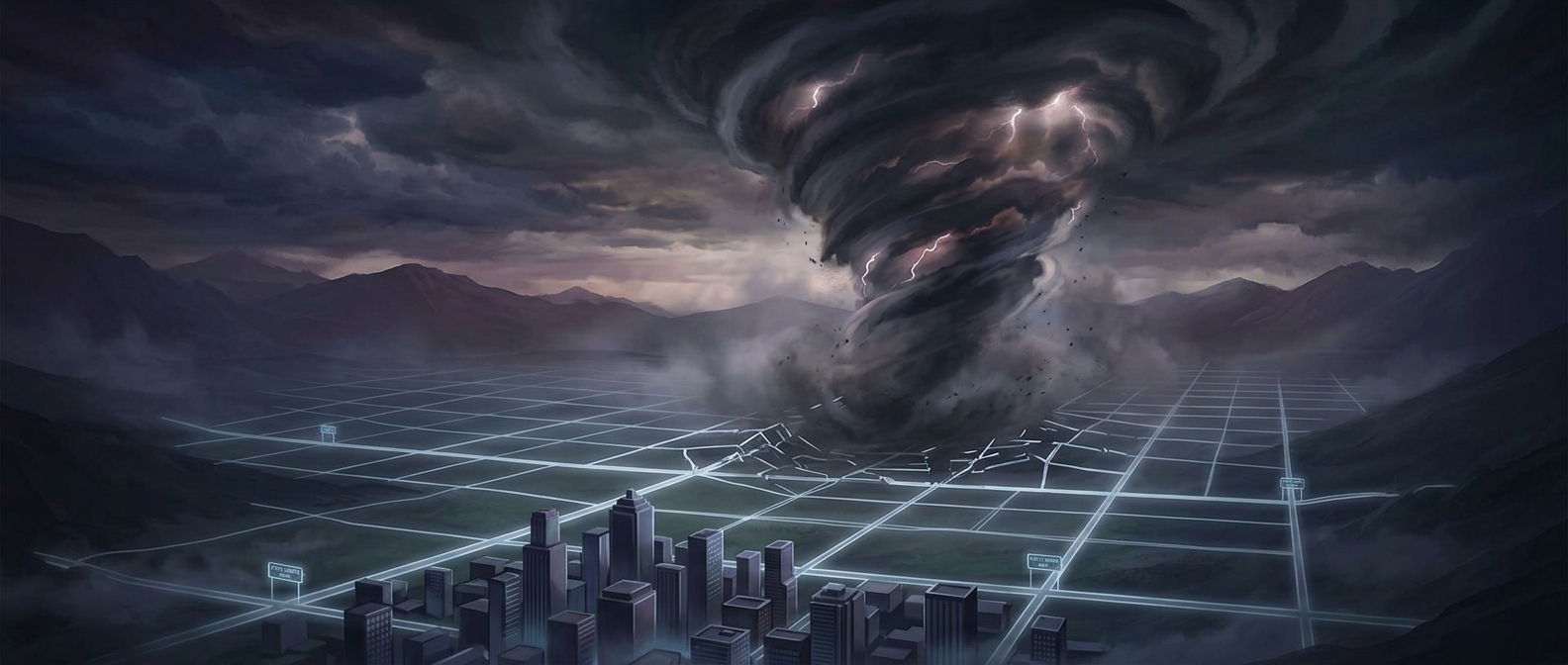
Tornadoes completely ignore arbitrary city boundaries
A tornado can sweep from countryside into a city because its path is set by the storm, not by streets or municipal borders. A skyline may look like a barrier…
Discover more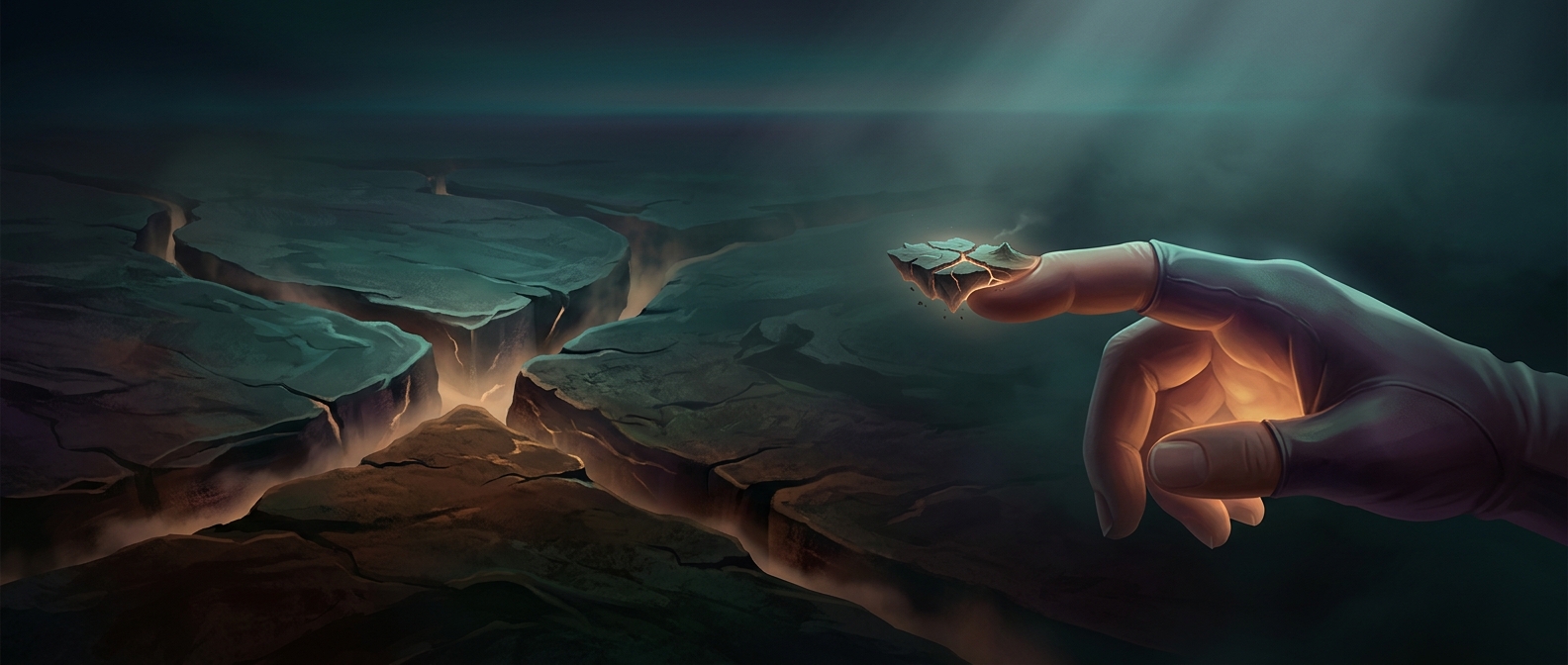
Continents move as fast as your fingernails grow
Continents inch along, but the rocks at a fault may be stuck together. As the plates keep moving, the rock bends under the strain—quietly storing up the…
Discover more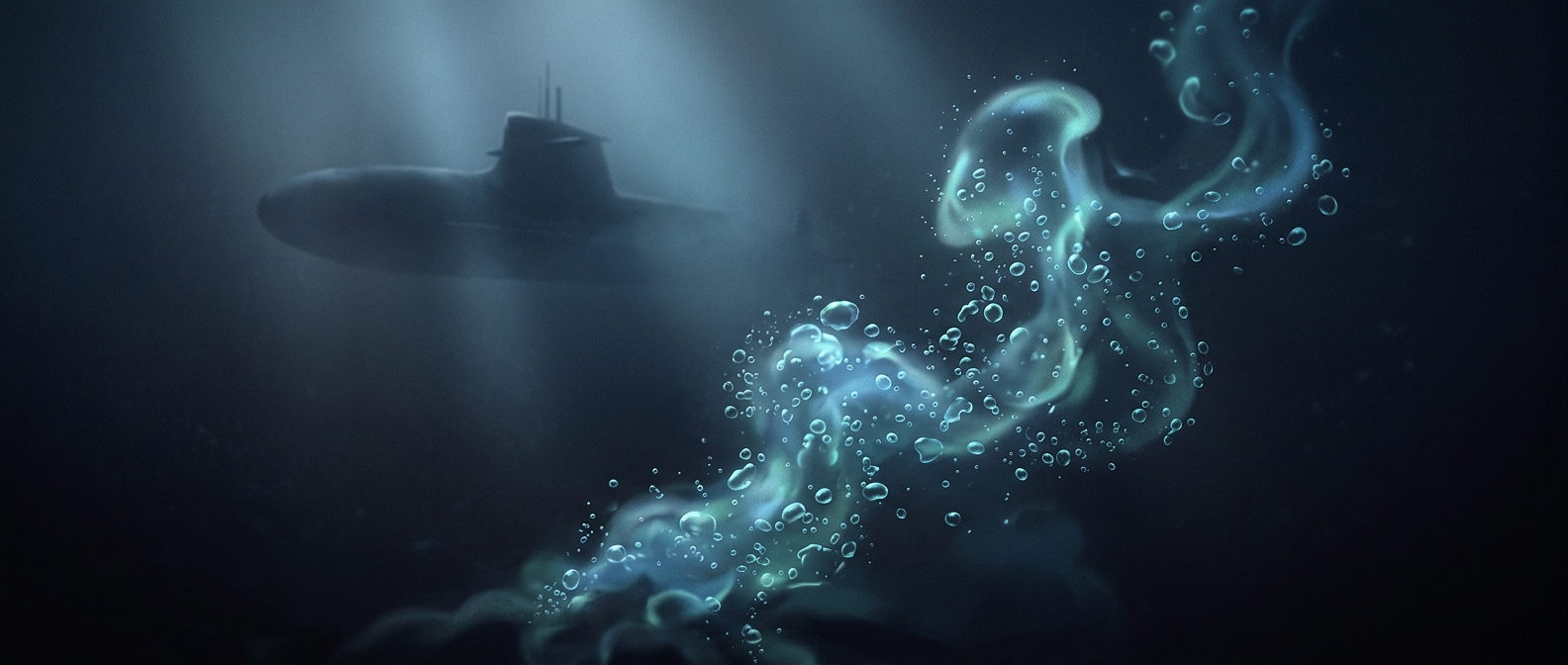
The spy signal that turned out to be fish
Herring release gas through a connection from the swim bladder to the anal opening, producing bursts of clicking or chirping sounds. In submarine…
Discover more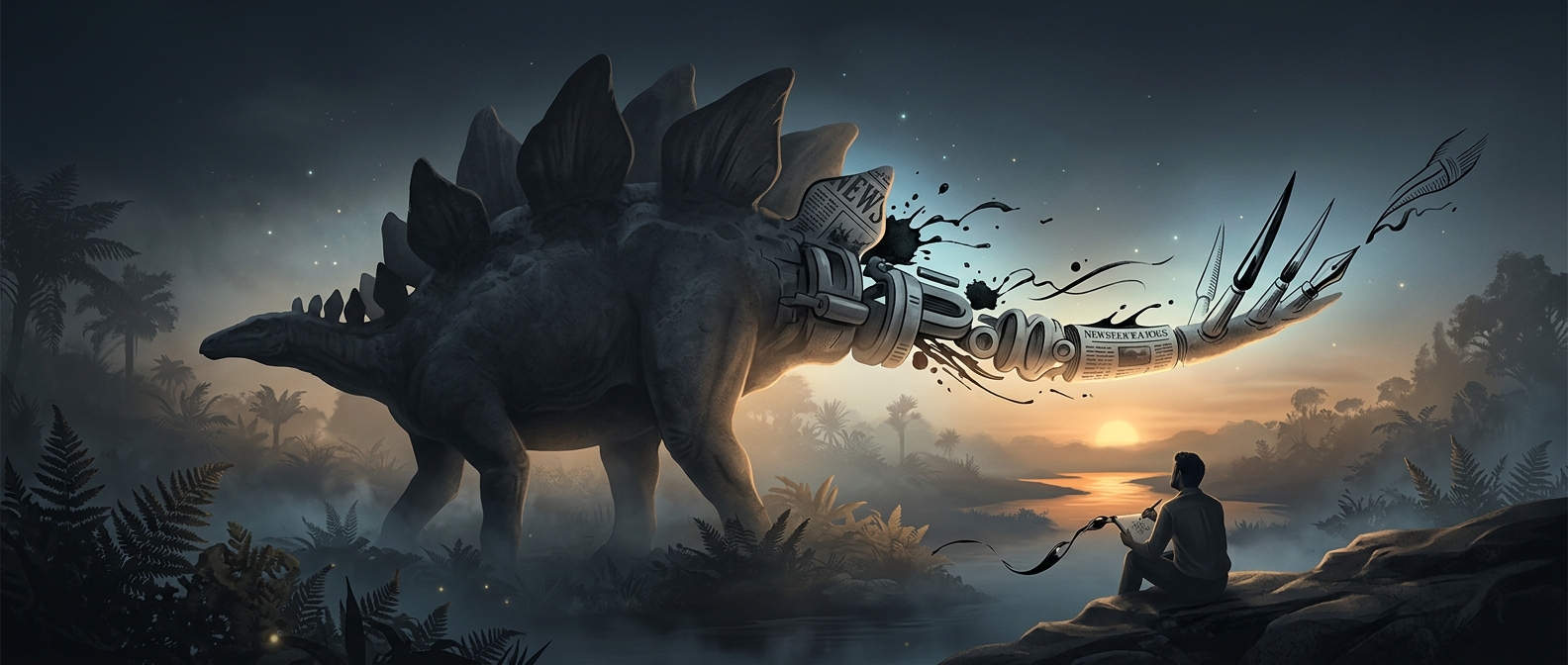
The dinosaur tail weapon named by a cartoonist
“Thagomizer” sounds like it belongs in a fossil textbook, but it began as a cartoonist’s joke. Paleontologists later adopted the word for the spikes at the…
Discover more
The modern foot fits no particular person's foot
It is fixed at exactly 0.3048 meters, not recalibrated whenever a ruler or monarch changes. Body-based names survived while measurement became standardized. A…
Discover more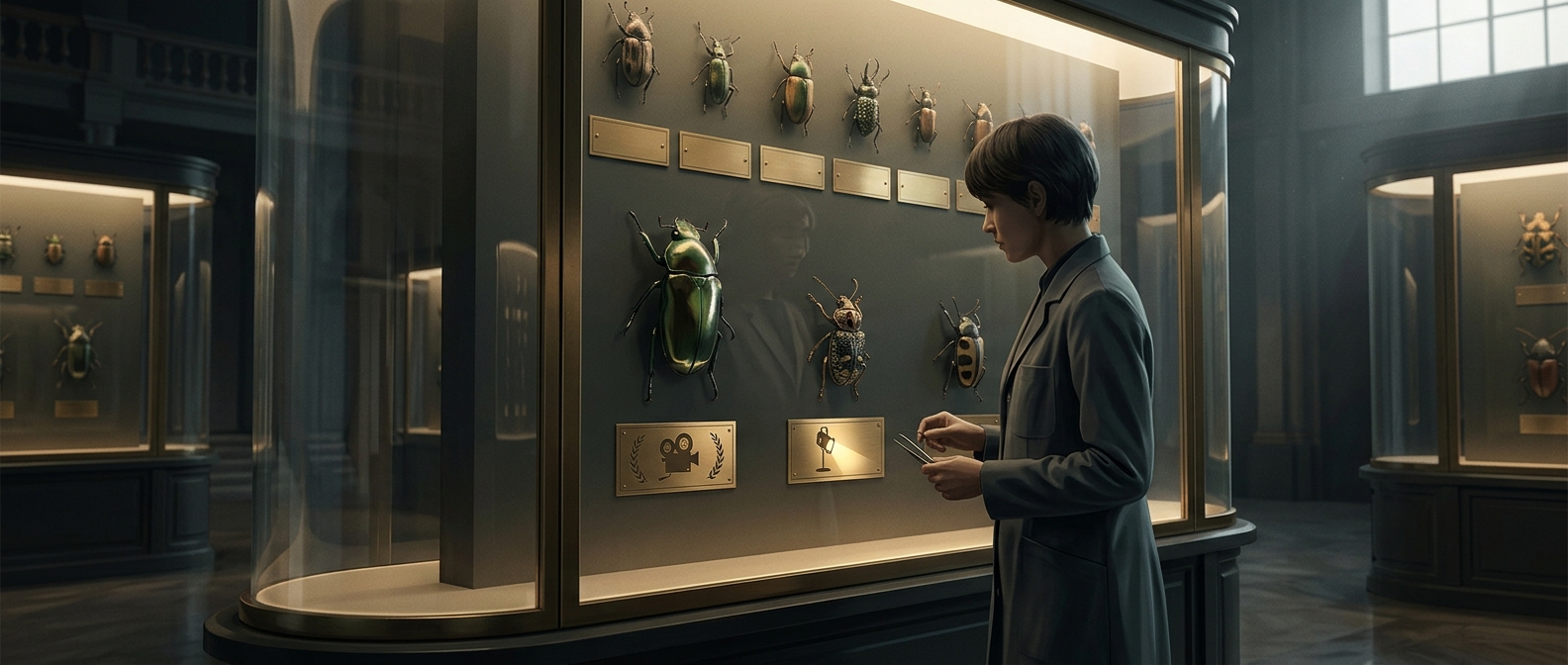
Why beetles get named after celebrities
Naming a newly described beetle after a celebrity can turn an obscure discovery into a headline. The extra attention may help attract interest and, sometimes,…
Discover more
The pressure that pushes scientists to fake data
When careers depend on grants, publications, and tenure, researchers can face pressure to produce impressive results. That pressure can create a temptation to…
Discover more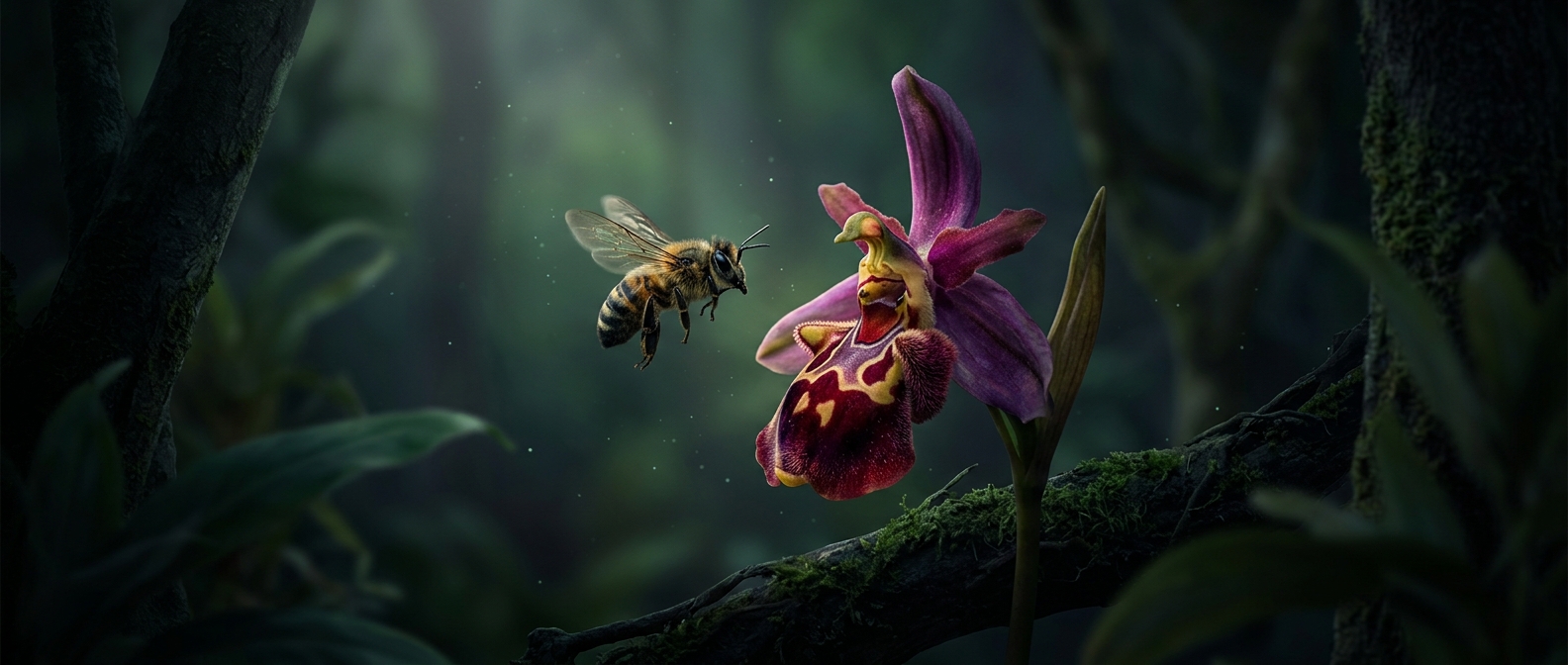
The orchids that trick insects into spreading pollen
Some orchids imitate the look and scent of female insects, drawing males in as if they’ve found a potential mate. The fooled insect leaves carrying pollen…
Discover more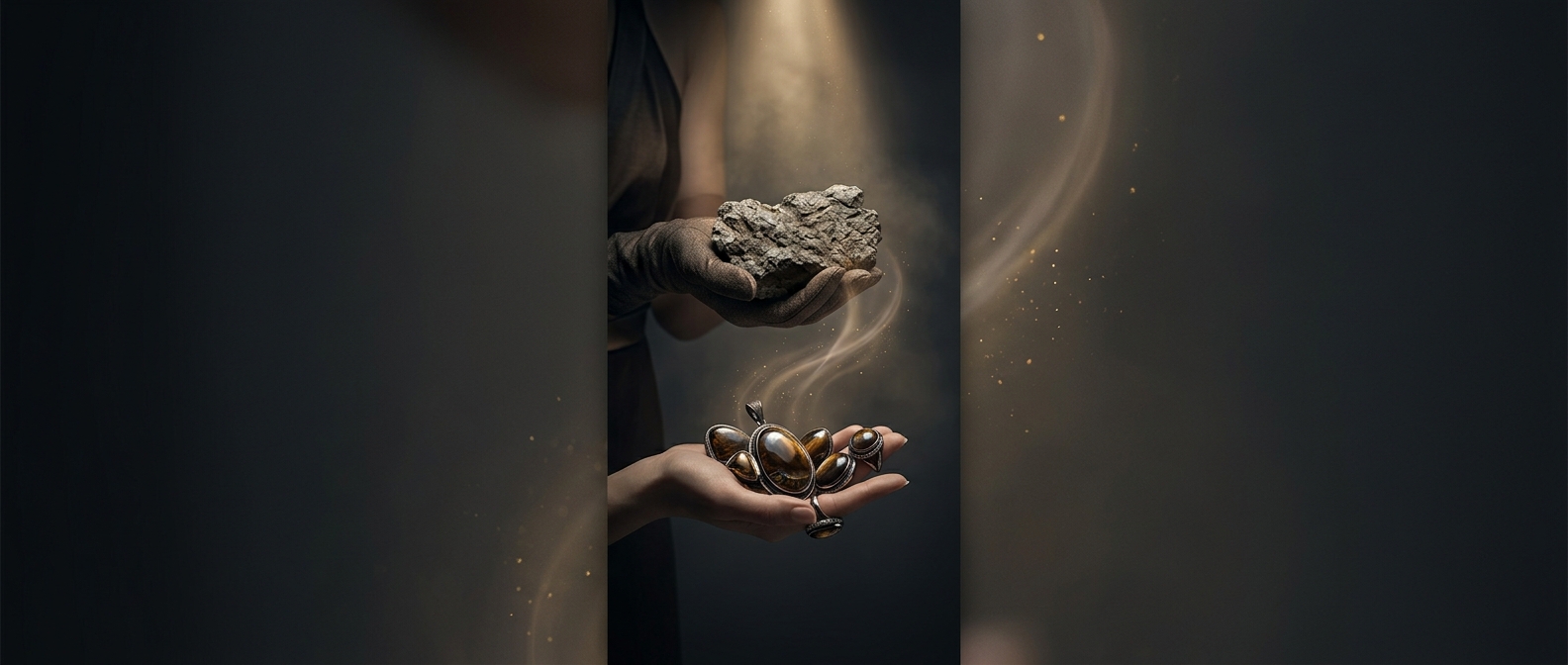
Dinosaur dung can become jewelry
Coprolite is fossilized dung, but minerals can turn it into a polished, colorful stone. As they fill or replace the original material, they preserve its…
Discover more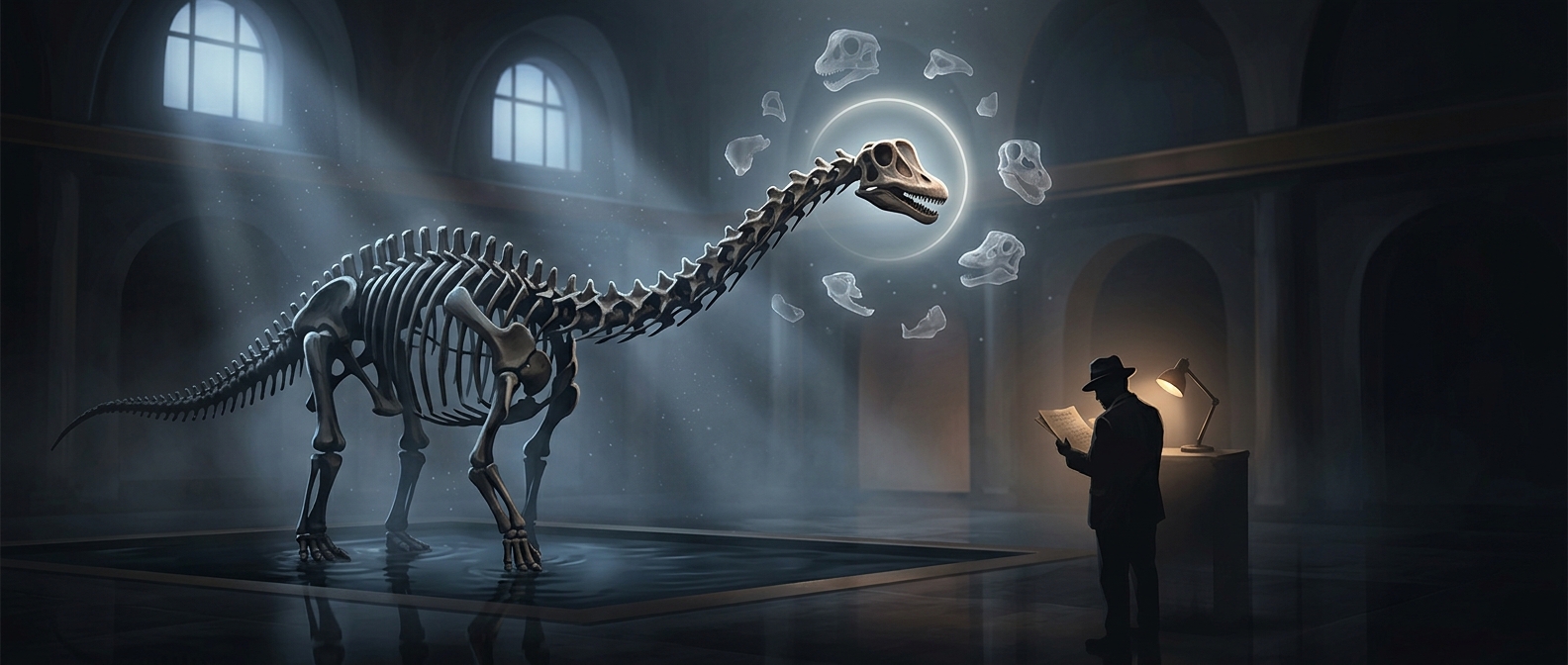
A museum dinosaur wore the wrong head for 47 years
Carnegie Museum's Apatosaurus received a Camarasaurus skull in 1932. Research later showed that a different skull found near the skeleton belonged with it,…
Discover more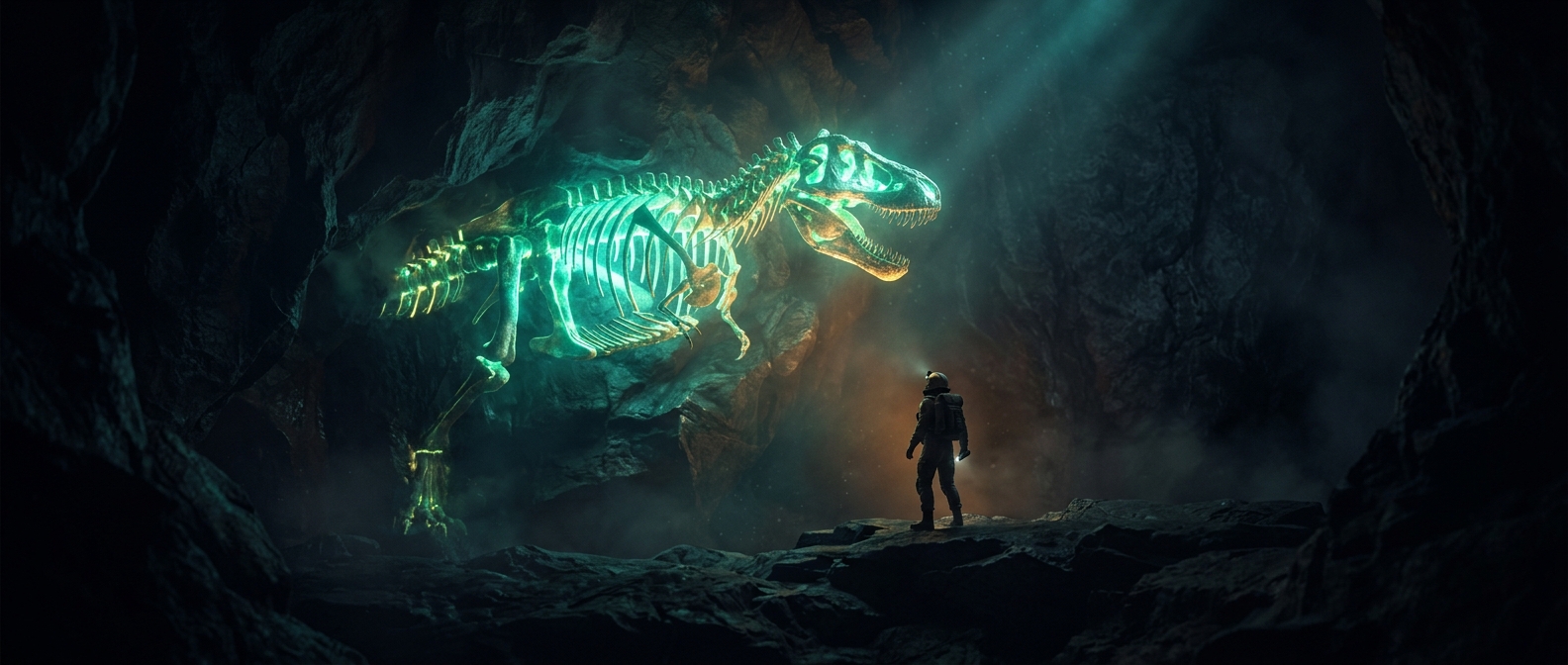
Why some dinosaur bones are radioactive
Groundwater can carry uranium-bearing minerals into a buried fossil's pores. Over geological time, the remains can accumulate enough radioactive material to…
Discover more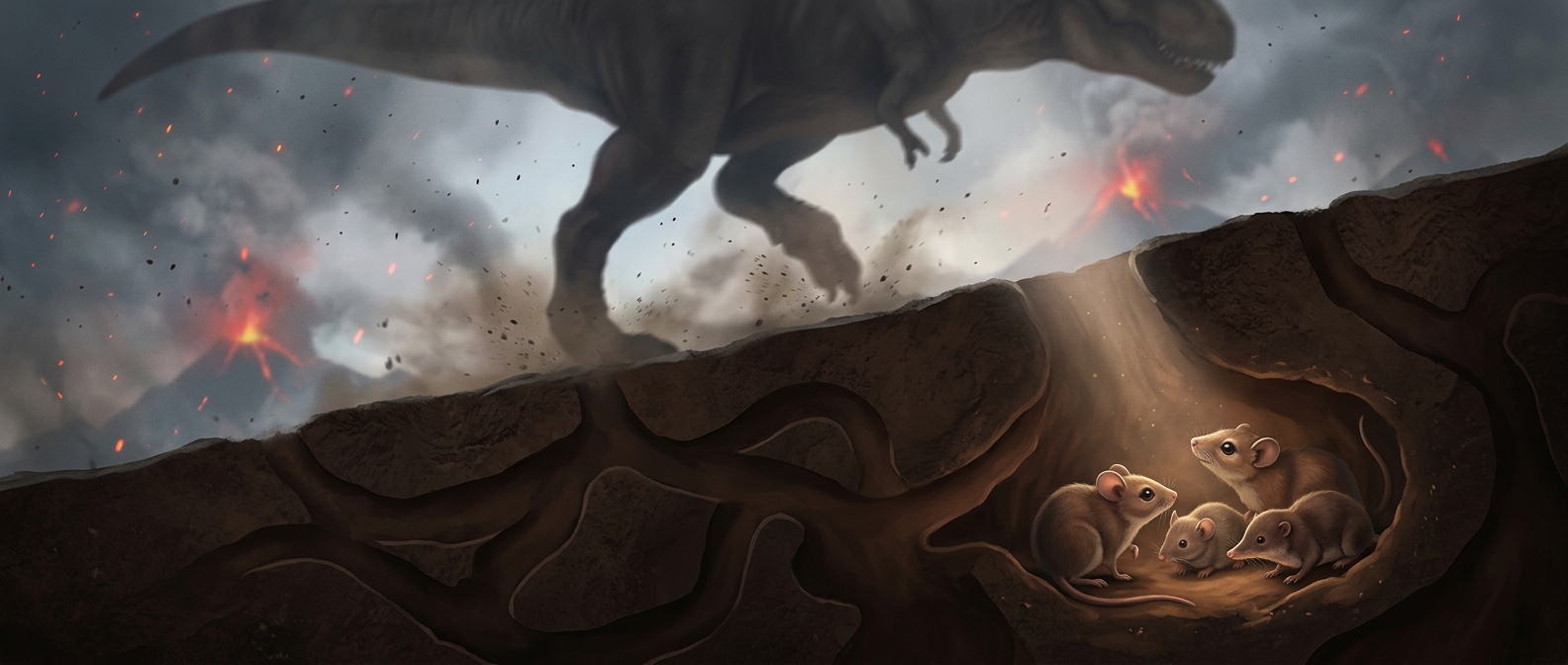
A Jurassic mammal relative had a beaver-like tail
Castorocauda lived alongside dinosaurs but already had adaptations for swimming, including a broad, partly scaly tail. Its fossil also preserves fur and teeth…
Discover more