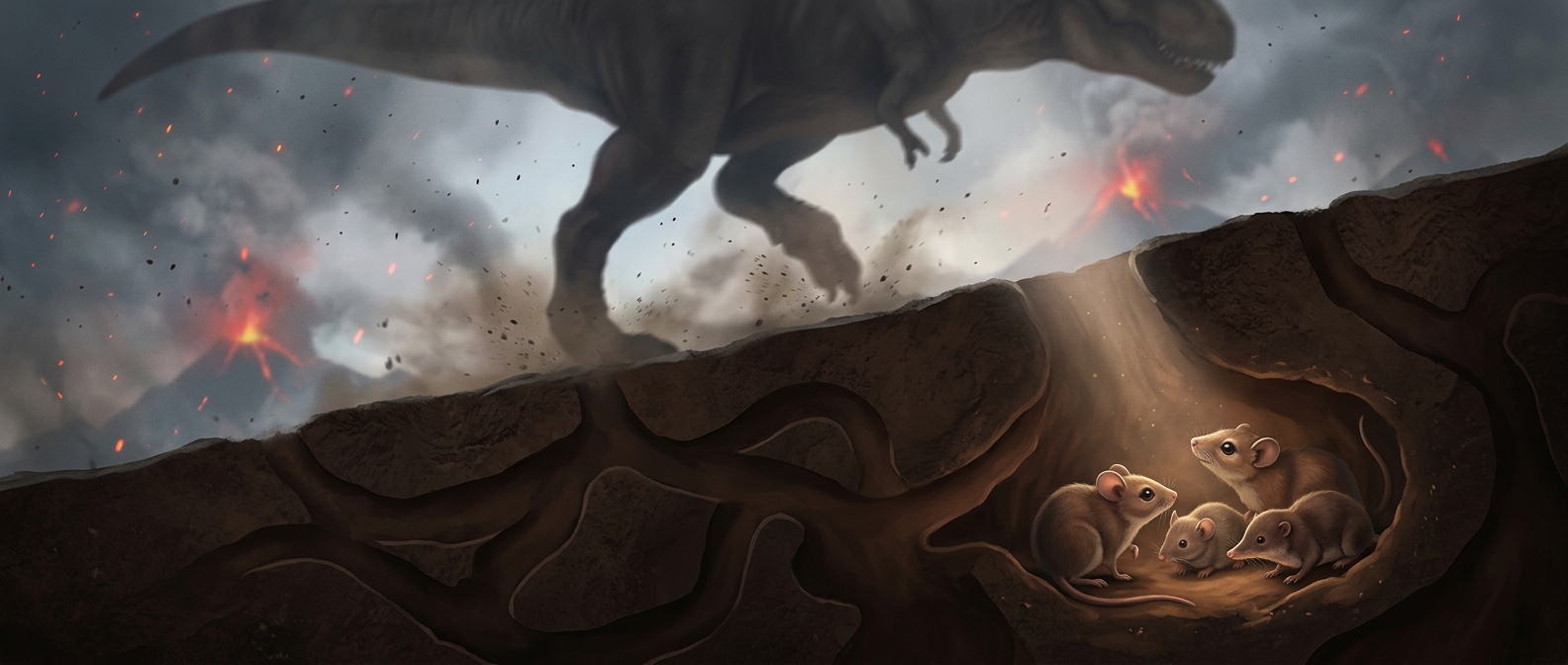
Why a burrow could make a dangerous world safer
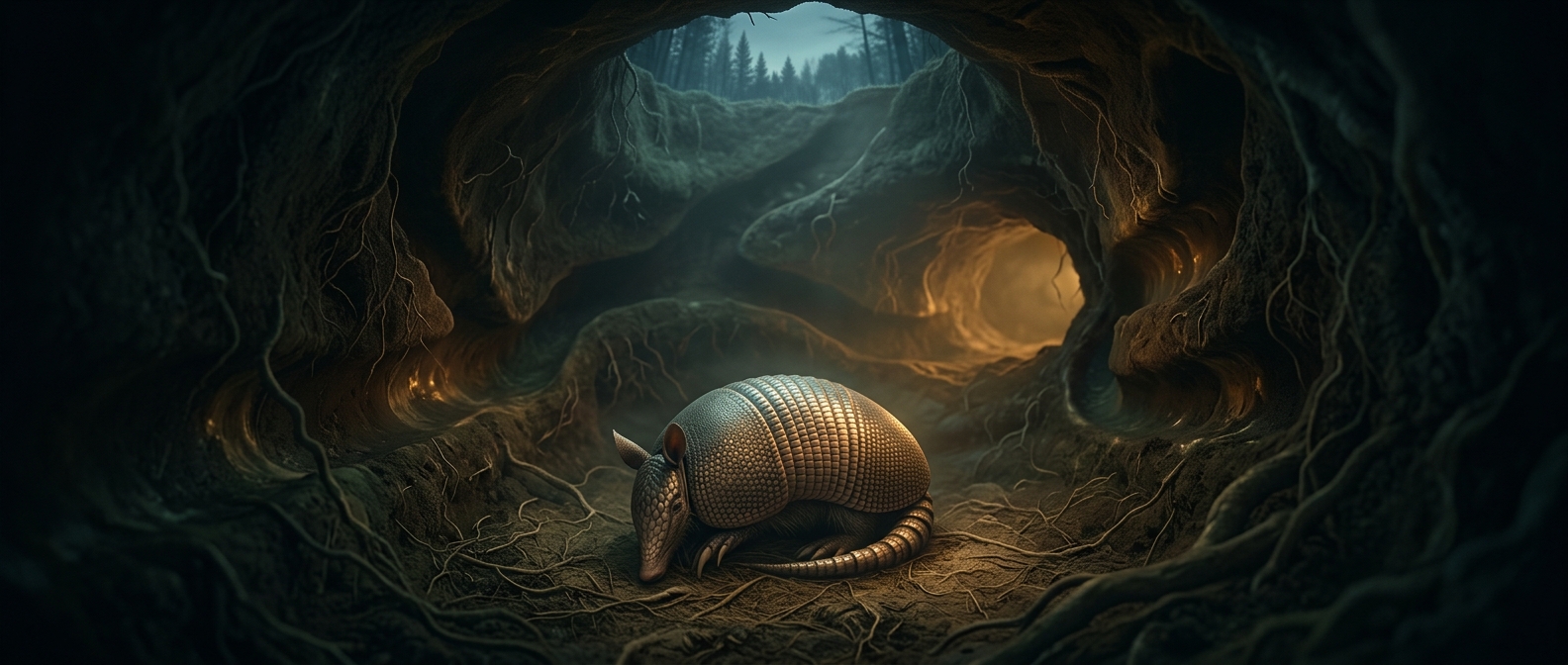
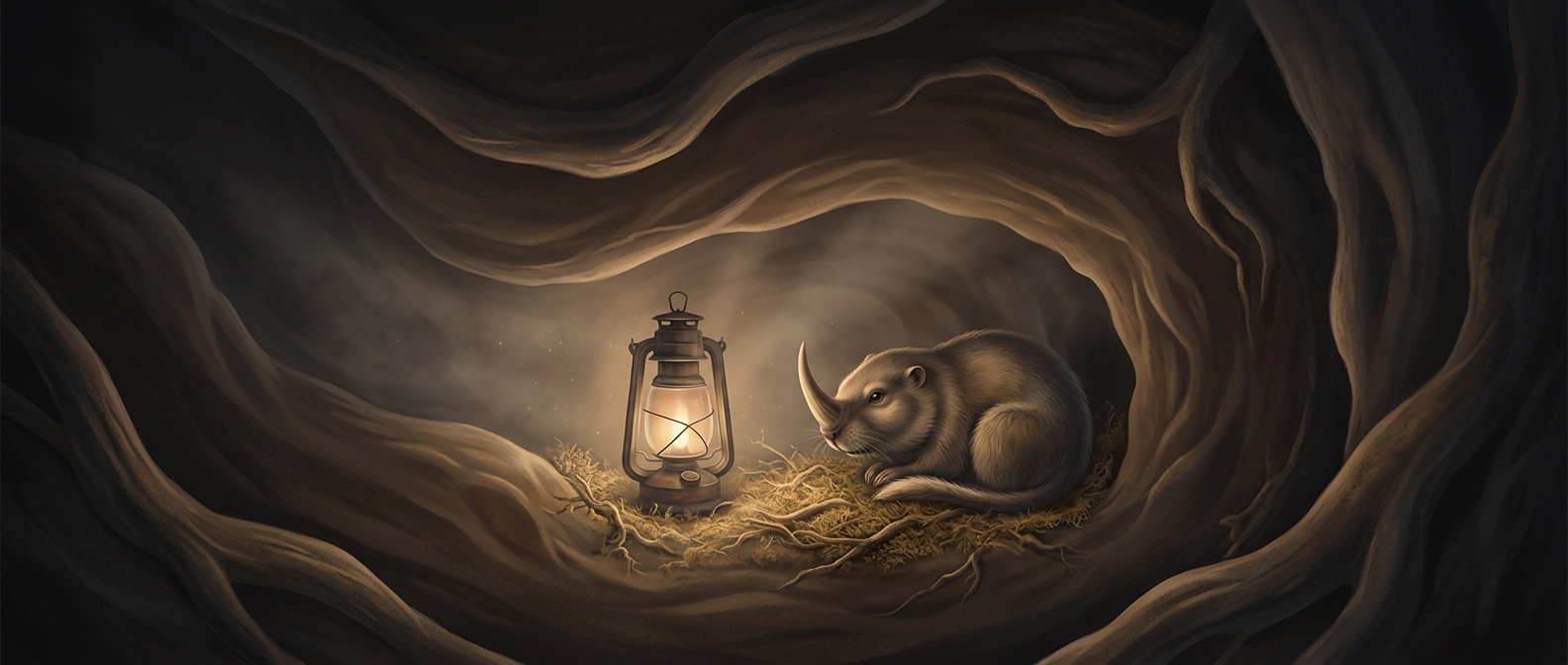
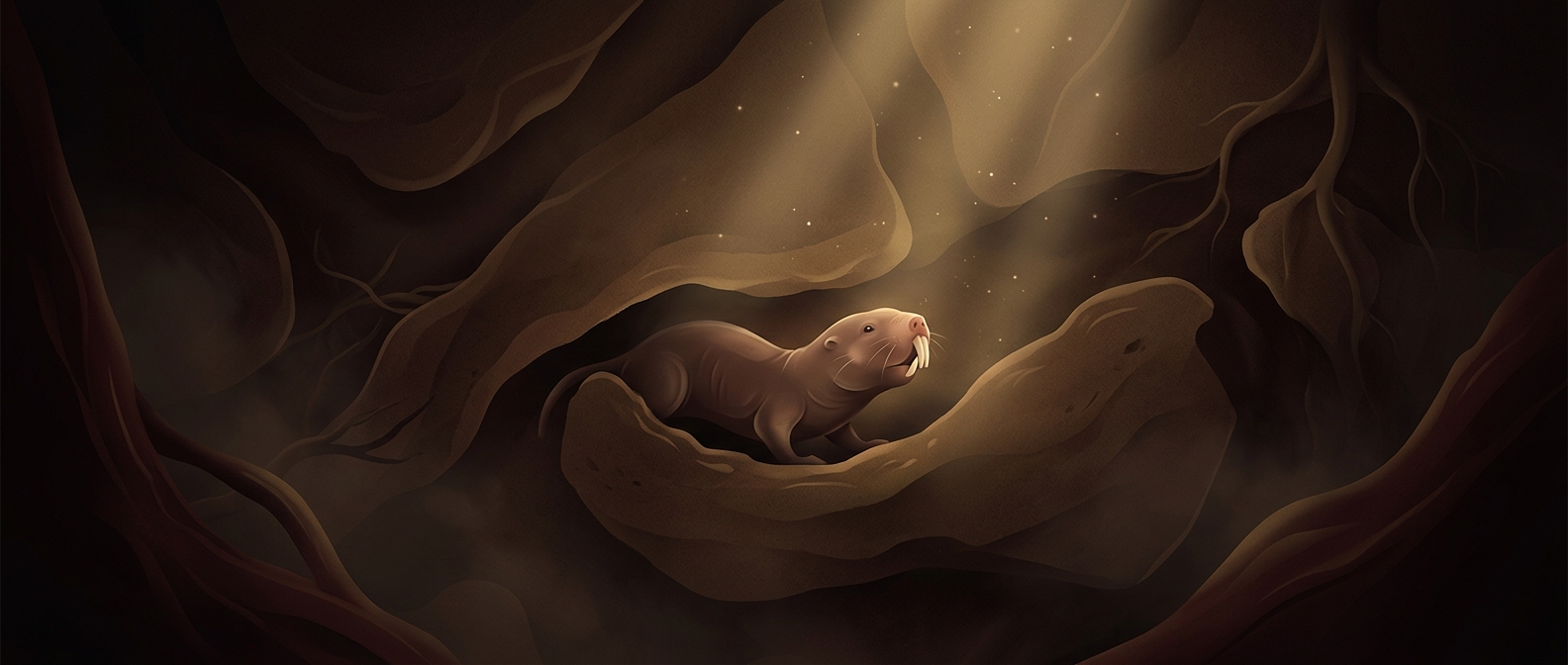
For a small mammal, the ground offered more than a hiding place. A tunnel put soil between its body and the outside world, reducing exposure to predators and softening rapid swings in heat and cold. Because temperature changes more slowly underground than at the surface, a burrow could provide a steadier refuge when conditions aboveground became harsh.
A shelter also changed the odds of an encounter. A predator moving across open ground could spot or catch a small animal more easily than one tucked inside a narrow passage. Burrows gave mammals somewhere to retreat, rest, and, in some cases, raise young out of immediate reach.
A refuge, not a complete way of life
The image of early mammals spending their lives underground is too simple. Mammals shared prehistoric landscapes with dinosaurs and occupied a range of habitats; burrowing was one useful strategy among many, not a universal lifestyle. A tunnel could protect an animal at vulnerable moments, but it did not supply every need. Mammals still had to find food and move through the world, and many did so aboveground.
That distinction matters: survival did not require mammals to disappear beneath the soil. Burrows helped small animals manage specific risks while they remained part of a varied ecosystem. The same patch of ground could be both a shelter from danger and a starting point for life on the surface.