A claw could bring the canopy within reach
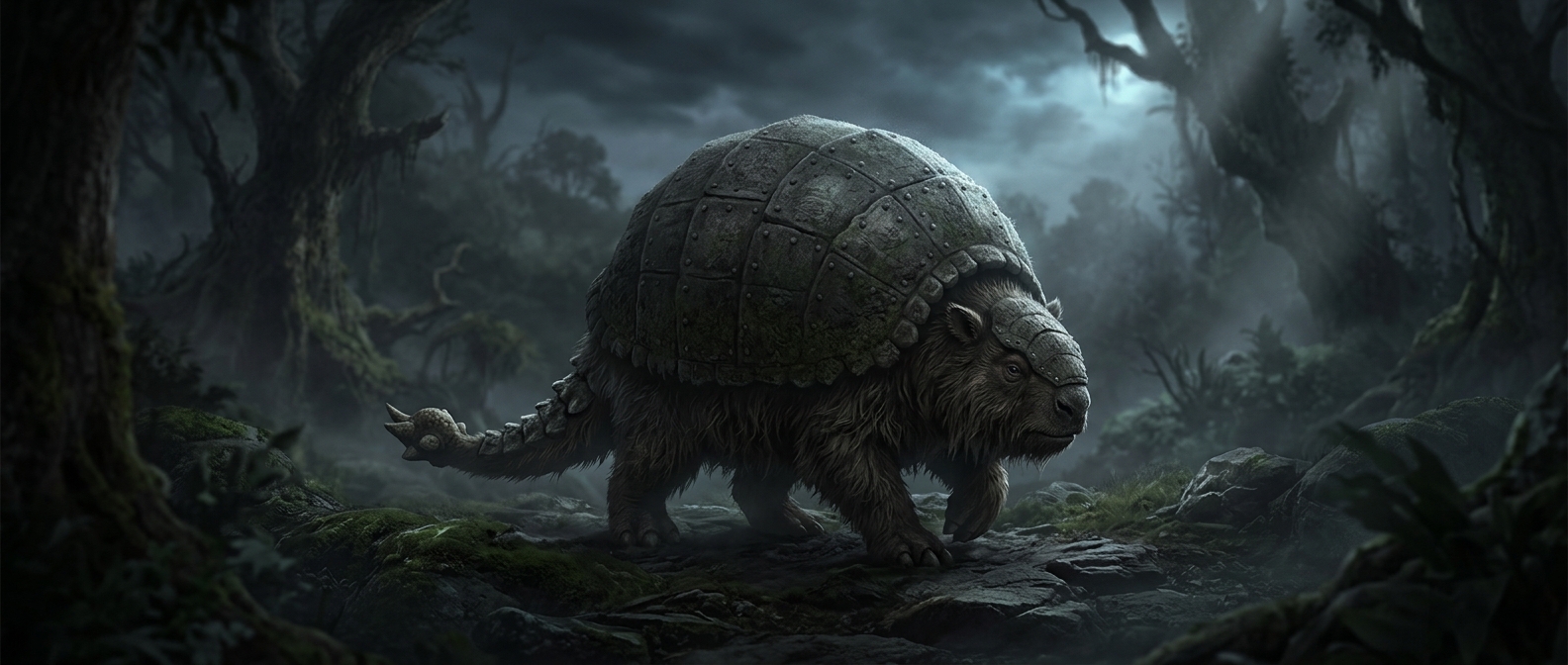
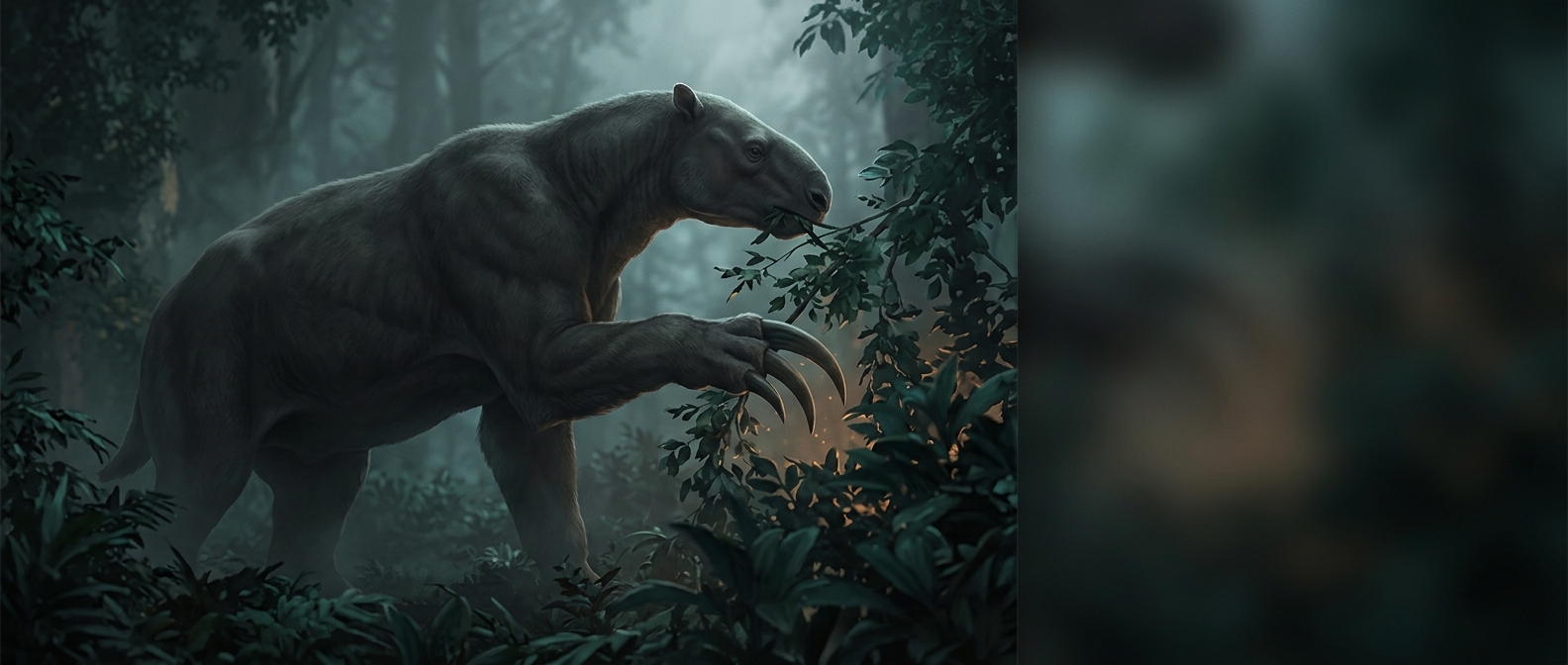
For a giant plant-eater, feeding did not always mean walking up to a plant and biting it. Some prehistoric herbivores, including giant ground sloths, had long, curved claws that could hook into branches. Pulling a limb downward brought leaves within reach of the mouth—and let the animal feed from vegetation that might otherwise have been too high or too tough to approach directly.
The claws were part of a different kind of foot from a hoof. Hooves are broad, weight-bearing coverings suited to walking on firm ground; a long claw is narrower and can catch or grip. That shape may have helped an animal manipulate plants, though it also made ordinary walking awkward: some giant sloths likely placed the sides or backs of their feet on the ground to keep their claws from digging in.
Feeding tools, with other uses
A claw’s shape cannot prove exactly how its owner used it. The same formidable point could help pull vegetation, brace the animal, or serve in defense. But the combination of a plant-eating body and claws capable of catching branches makes feeding a plausible part of the story—not every oversized claw was primarily a weapon.
That changes the picture of a giant herbivore as a passive grazer. It may have reached into shrubs and trees, drawn branches down, and harvested leaves with its forelimbs. A hand that could not curl around a branch could still move the branch itself.