A familiar shape, built on a different branch
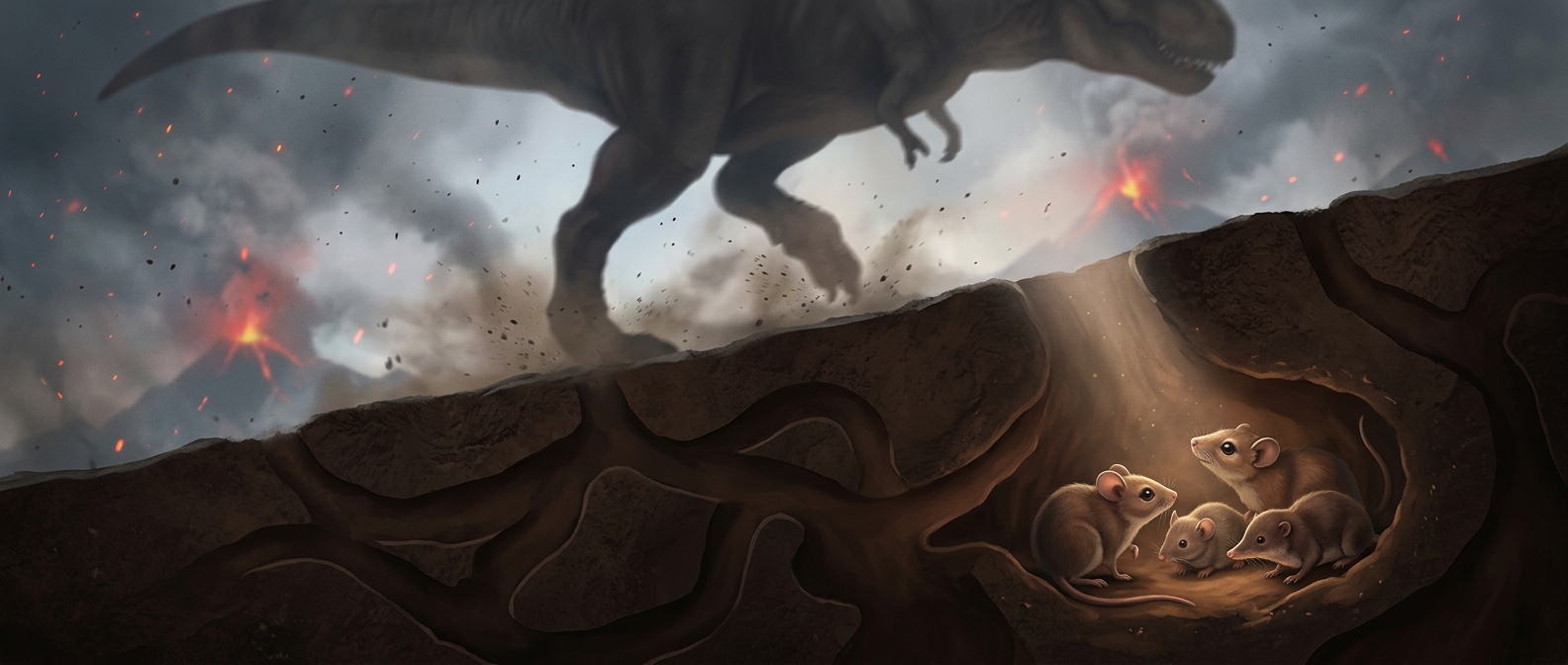
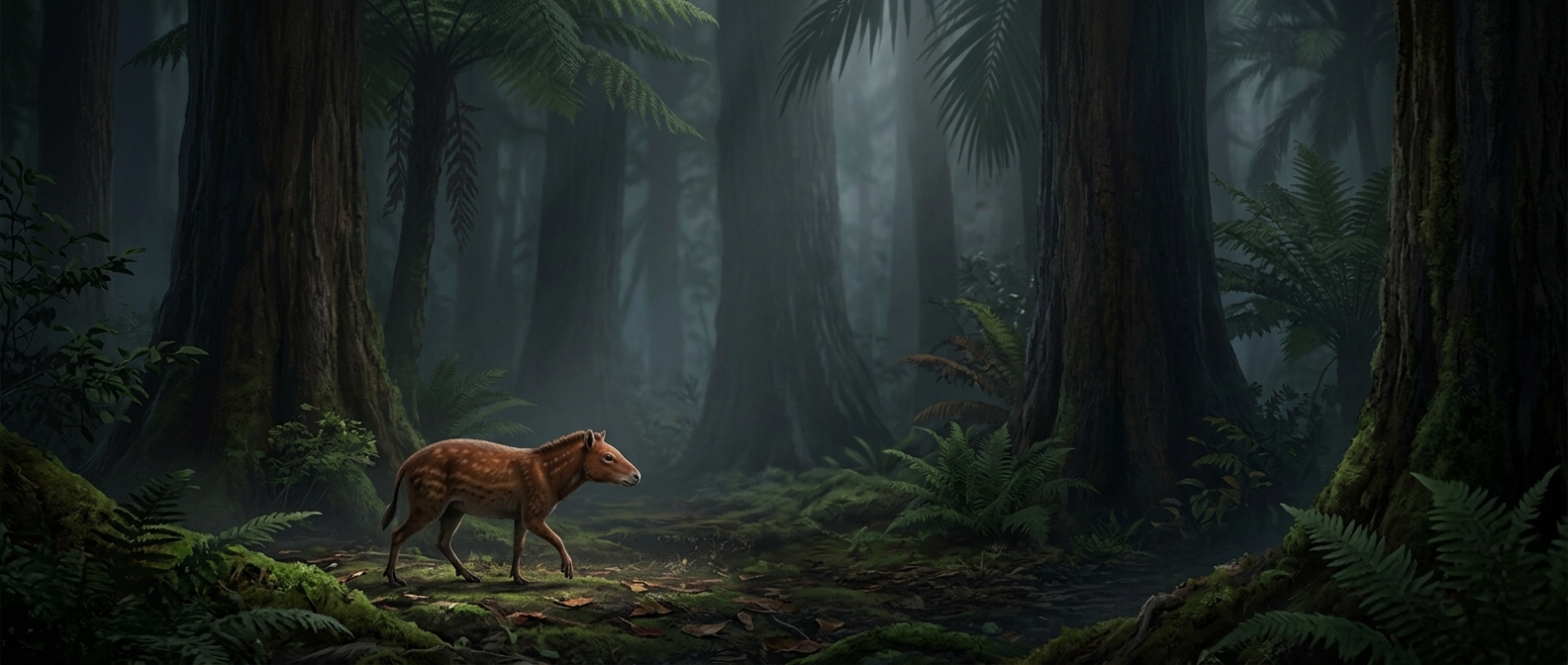
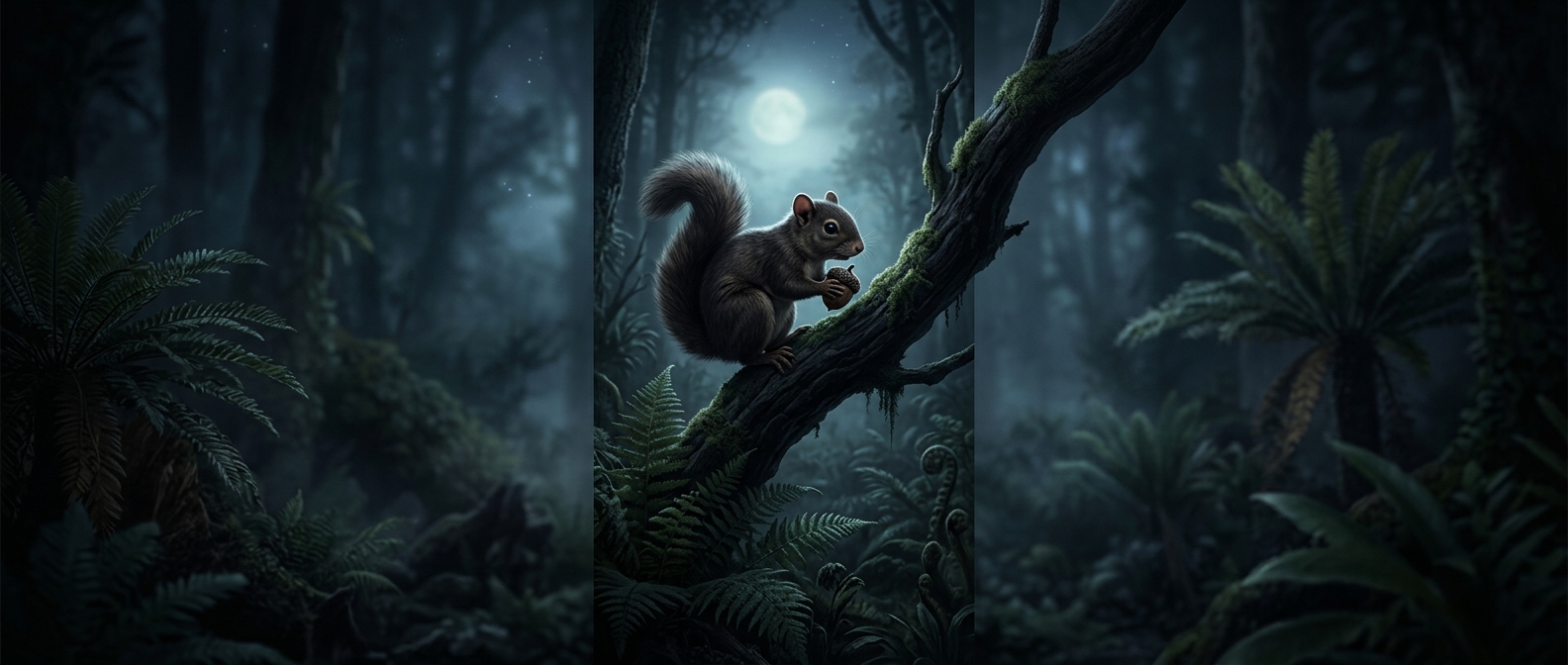
Ptilodus can bring a squirrel to mind: a small-bodied mammal with a compact, nimble-looking build. But resemblance is not a family tree. Squirrels are rodents; Ptilodus belonged to the multituberculates, an extinct group of mammals that developed its own distinctive anatomy. The two lineages arrived at a broadly similar silhouette independently, rather than inheriting it from a recent shared ancestor.
That is one reason a fossil’s outline can be misleading. Body shape reflects the demands of moving and feeding, and unrelated animals can end up looking alike when they face similar demands. The resemblance tells us more about a recognizable mammalian form than about close kinship.
Teeth reveal a different kind of history
Ptilodus’s teeth offer a clearer clue to its identity. Multituberculates had cheek teeth covered in rows of small cusps—rounded points that helped break down food through repeated chewing. Those ridges and cusps were not the same dental arrangement found in squirrels, even though both animals may look suited to a small-mammal way of life.
For paleontologists, details like tooth structure can distinguish lineages that a quick glance might blur together. Ptilodus is a useful reminder that evolution does not need to reproduce the same ancestry to produce a familiar-looking animal: the silhouette may converge, while the teeth preserve the separate story.