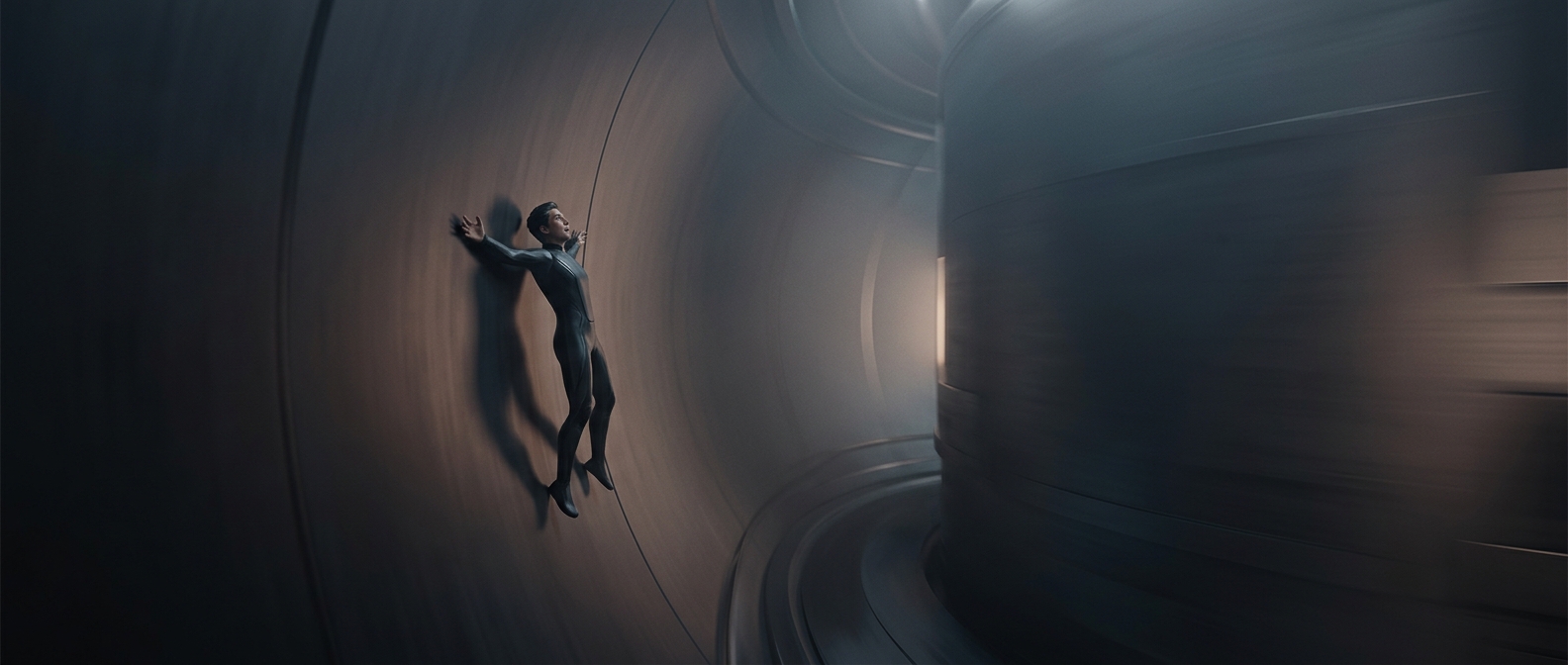
Why riders stay up when the floor drops
The ride works because a spinning rider is continually being turned toward the center of the circle. The wall supplies that inward force: it presses on the rider, changing the rider’s direction of motion again and again. This inward acceleration is called centripetal acceleration—“centripetal” means directed toward the center.
That same wall pressure also makes the trick possible. The rider presses outward against the wall, and the wall presses inward in return. The resulting contact lets friction act upward along the wall.
Friction takes over the floor’s job
Gravity pulls each rider down. While the floor is present, it helps support their weight. Once it drops away, friction between rider and wall must do that work instead. Friction can hold the rider up only because the wall is pressing firmly against them; more pressure allows more friction.
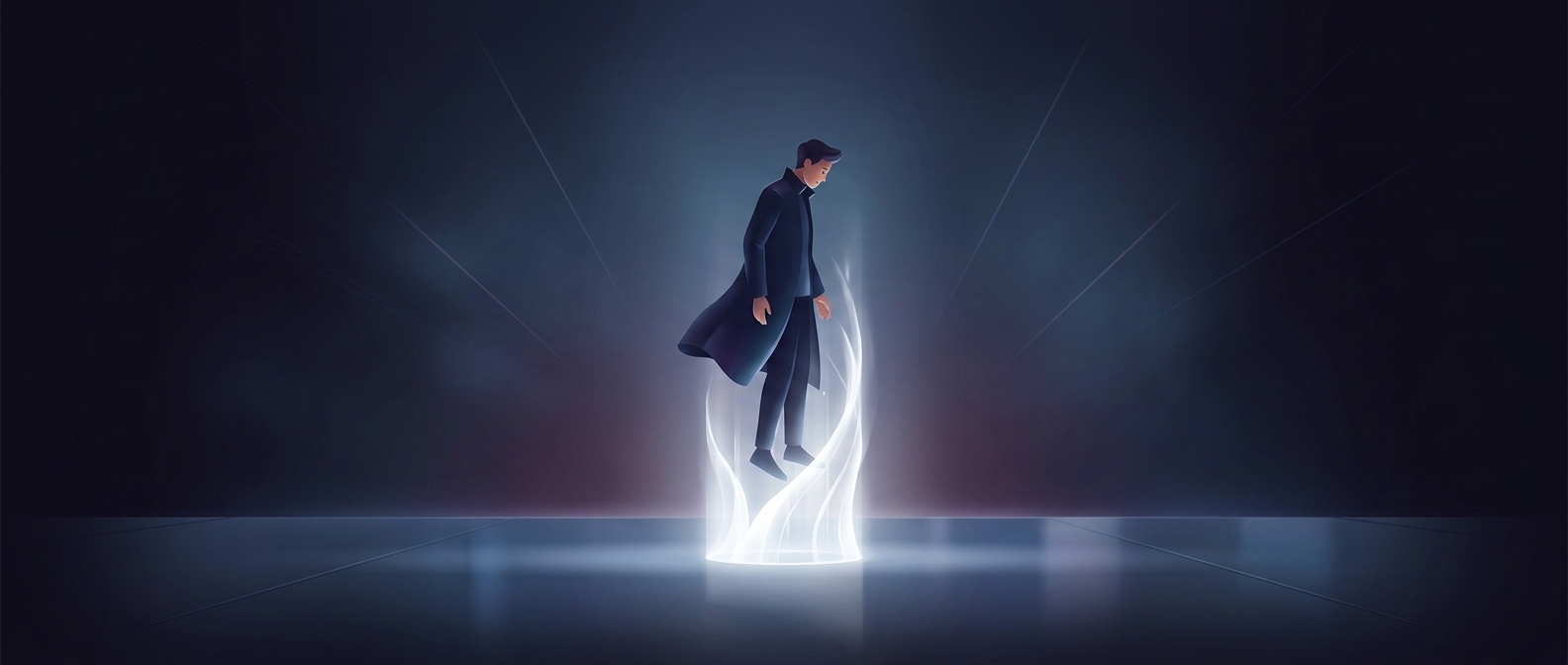
If the ride spins fast enough, the wall’s pressure makes the available upward friction strong enough to balance the downward pull of gravity. The rider then stays at roughly the same height even though there is no floor beneath them. The wall is not lifting them directly—the pressure enables friction to keep them from sliding.
Why slowing down changes everything
As the ride slows, the wall presses less firmly, so the friction available to support a rider decreases. Eventually it can no longer balance gravity, and the rider would slide downward without a floor or other restraint. That is why the apparent suspension lasts only while the ride maintains the conditions that make the wall’s grip strong enough.
The memorable part is a small shift in what counts as support: for those few seconds, a vertical wall and friction together replace the floor.