How a magnet pushes without touching
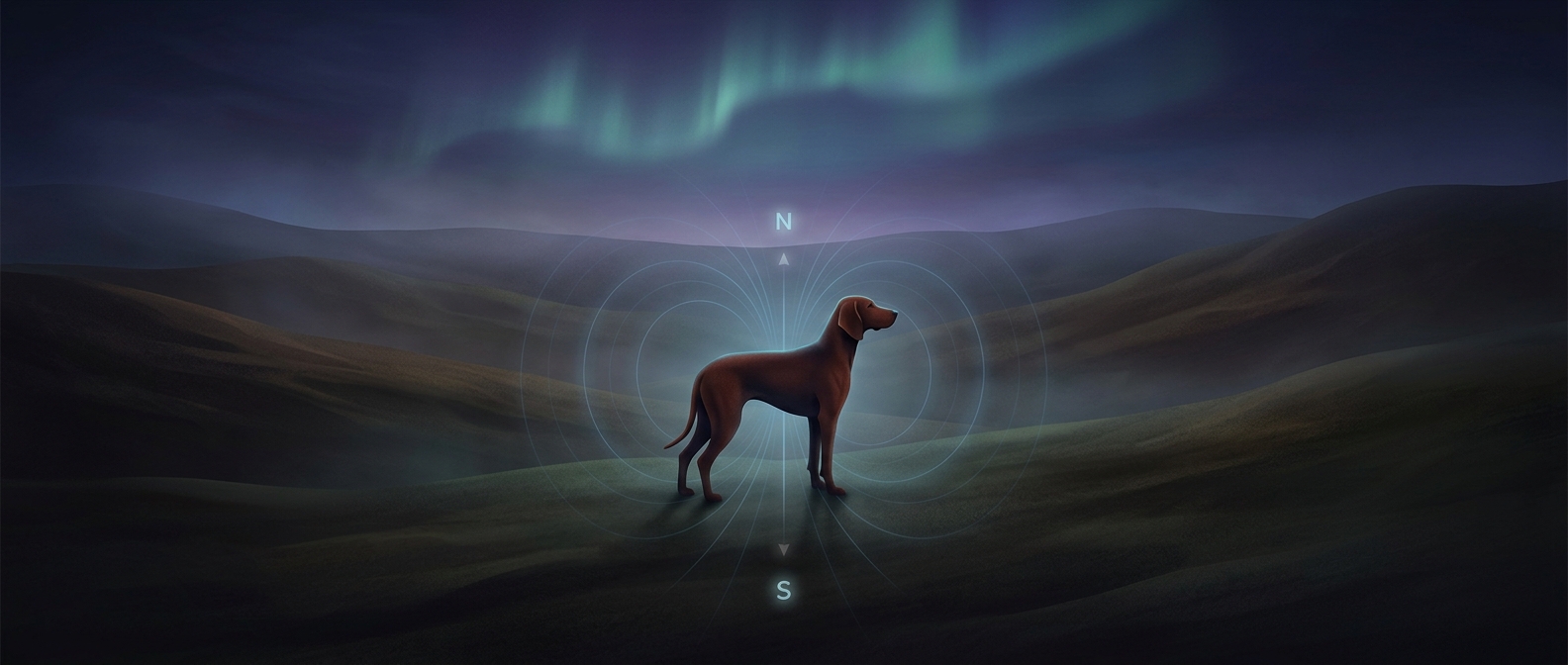
A magnet does not need to reach across a gap and make contact. Its magnetic field changes the forces experienced by other magnets in the space around it. When two magnets face like poles—north to north or south to south—their fields interact in a way that pushes them apart. Turn one magnet around, and opposite poles face each other; the interaction pulls them together.
The field is invisible, but its effect is easy to feel. Hold one magnet steady and bring another close: your hand senses a force before the magnets touch. The gap is not empty of magnetic influence; it is where the field carries that influence from one magnet to the other.
Why a steel object may not be pushed away
The key distinction is between a magnetic field and a magnet. A magnet has north and south poles arranged so their combined influence produces a recognizable field. Many metals do not have that arrangement, so bringing a magnet near them does not make them repel like a second magnet would.
Some metals, including iron and steel, can still respond strongly. A nearby magnet can rearrange tiny magnetic regions inside them, making the object temporarily act like a magnet. That often draws the object toward the magnet, rather than pushing it away. Other metals, such as aluminum and copper, usually show no noticeable pull in an ordinary, stationary-magnet demonstration.
So the familiar shove across a gap is not a property of metal in general. It is the interaction between magnetic fields—most clearly, the fields of two magnets with like poles facing. A small rotation can change the same invisible force from a push into a pull.