How dung becomes stone
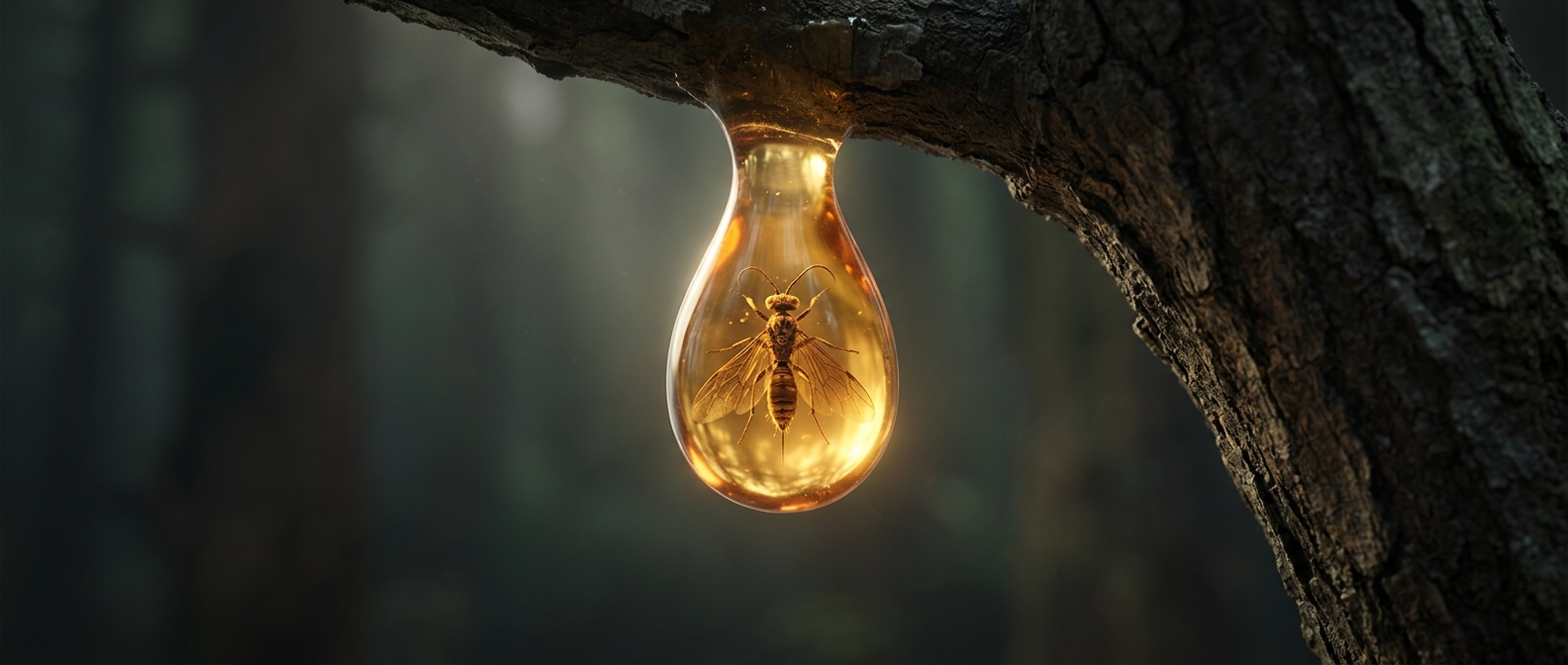
Fresh dung is soft and rich in organic matter, so it normally breaks down quickly. It becomes a coprolite only when burial interrupts that decay: sediment covers it, limiting disturbance, while mineral-bearing water seeps through the deposit. Minerals can fill pores and cavities, or gradually replace parts of the original material. The result is a fossil that may keep the shape and internal texture of the original pile.
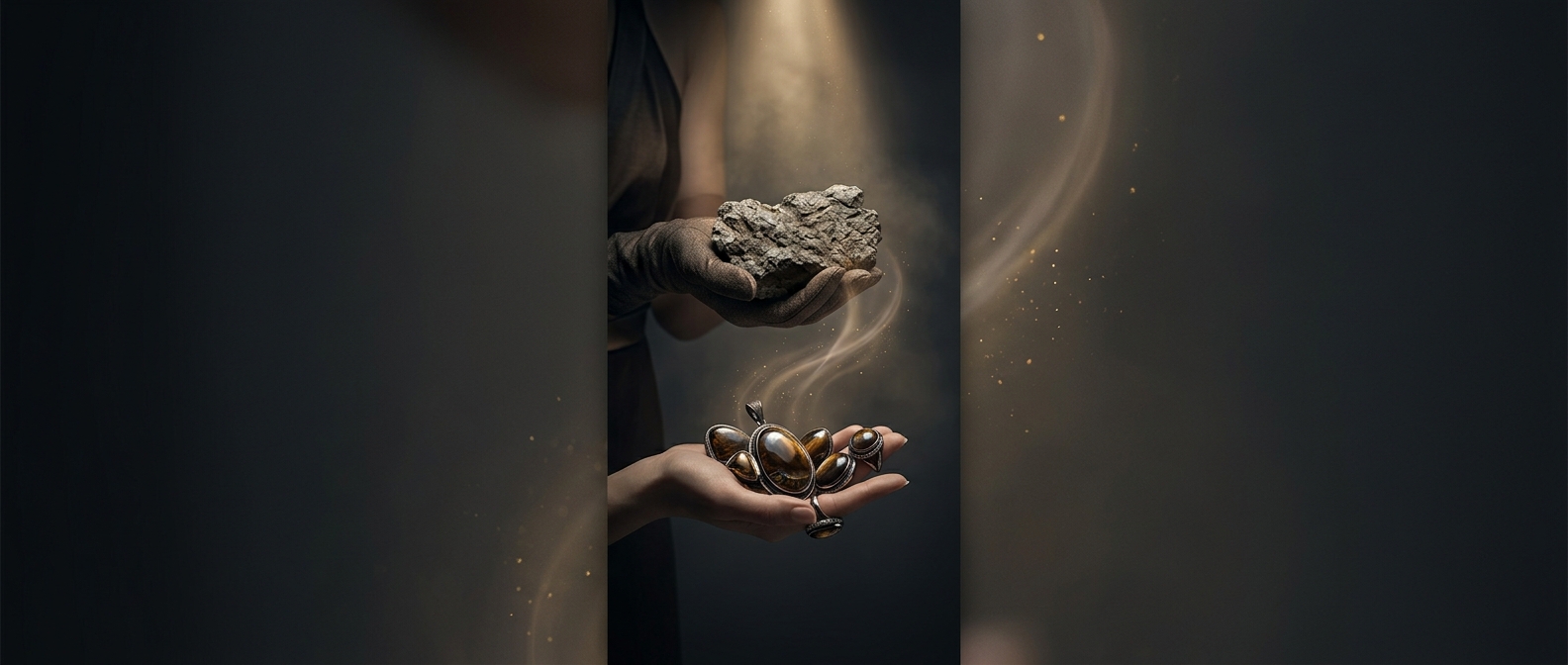
The process is not a simple coating. The minerals and the conditions in the surrounding sediment determine whether a coprolite survives and what it looks like. Different mineral contents can produce varied colors and patterns; polishing exposes those patterns, making some specimens attractive enough to be cut and worn as jewelry.
A fossil with evidence inside
A coprolite can preserve clues about both its maker and its meal. Its size, shape, and contents may help researchers narrow down what kind of animal produced it, though identifying the exact animal is often difficult because many species left similar-looking droppings. Undigested fragments—such as bone, plant matter, or scales—can reveal what the animal had eaten.
That makes the fossil a small record of an event in an ancient food web: an animal fed, left waste, and the deposit was buried before it vanished. A polished coprolite may look like an ordinary patterned stone, but its swirls and inclusions can be the mineralized remains of a meal.