When atomic nuclei stop being separate
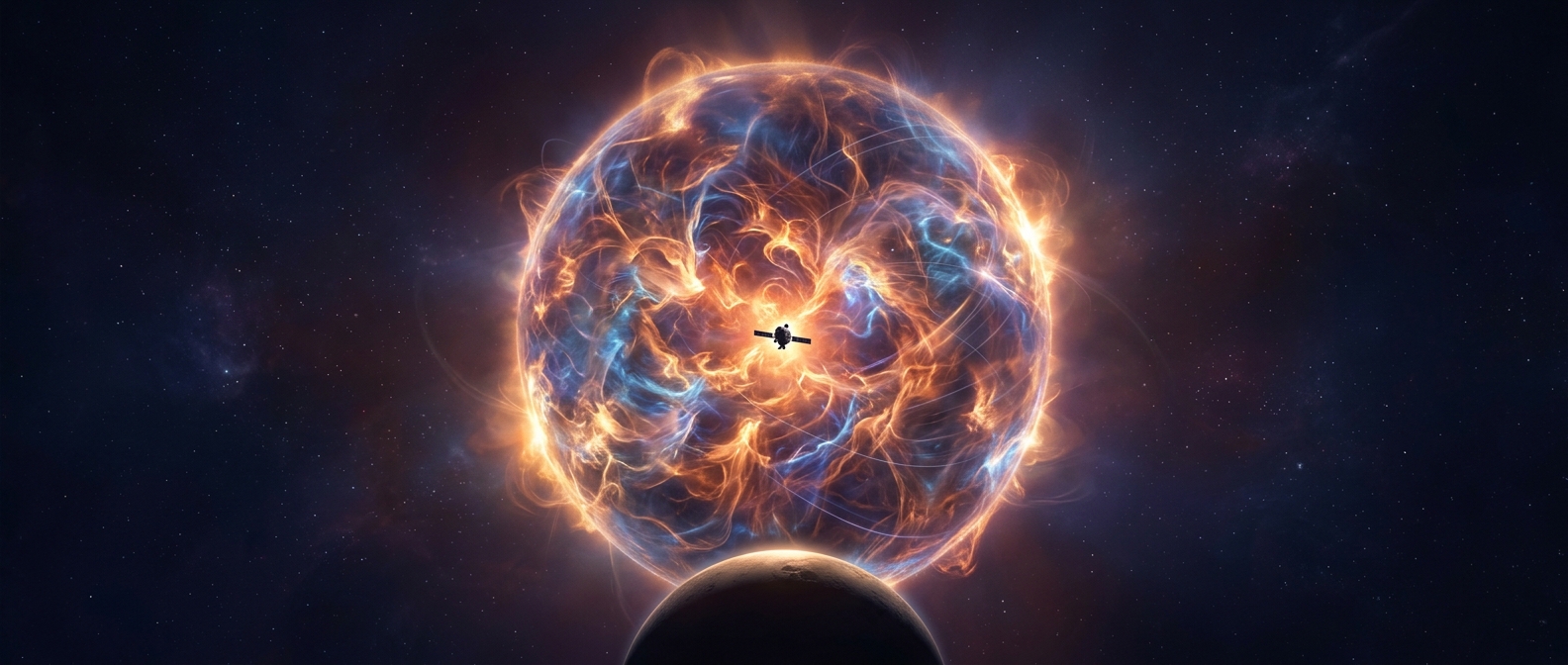
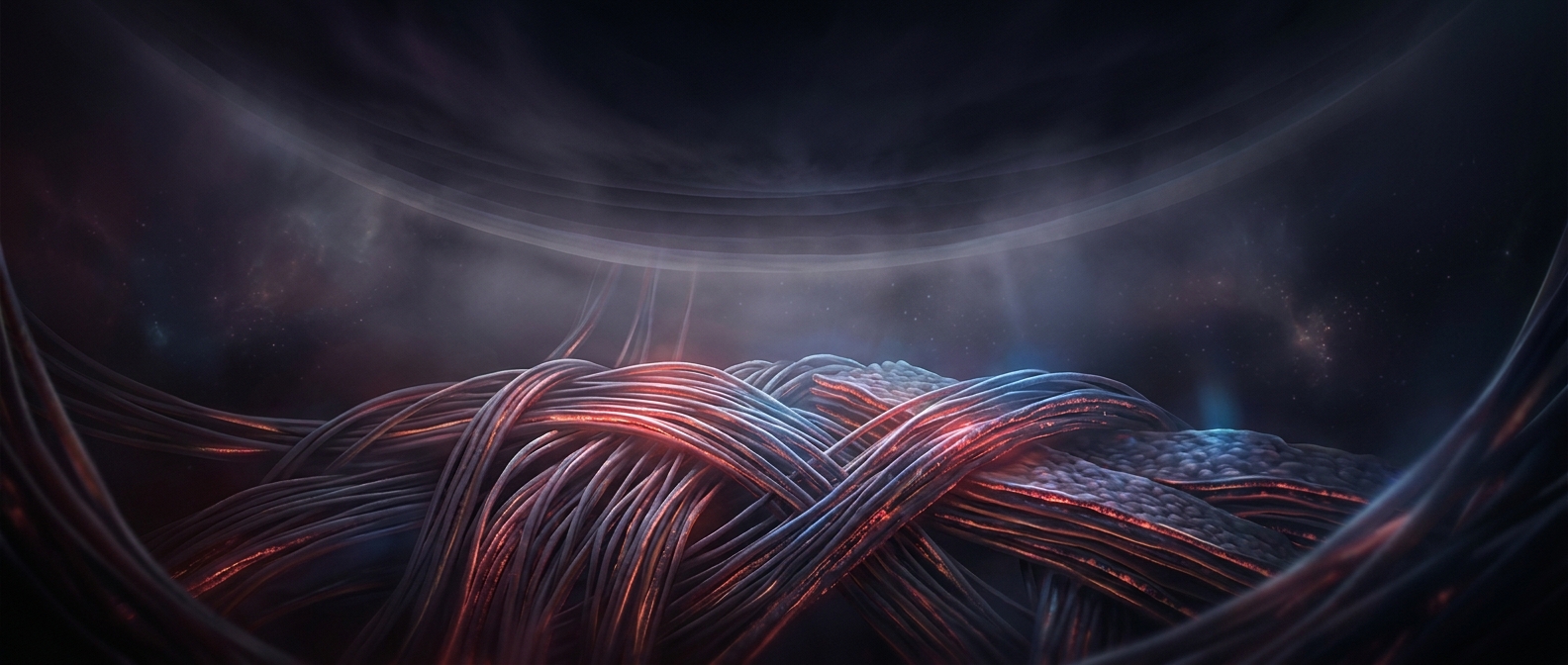
A neutron star’s outer layers are so compressed that the familiar picture of atoms—nuclei surrounded by electrons—breaks down. In the deepest part of the crust, nuclei are crowded together and distorted by their neighbors. Calculations predict that they can form connected shapes: sheets, rods, and tangled structures collectively nicknamed nuclear pasta for their resemblance to noodles and other foods.
The material is still made of protons and neutrons, but its structure is unlike steel’s. Steel resists damage through the arrangement and bonding of atoms in a crystal. Nuclear pasta is held in place under immense pressure by the strong nuclear force, which attracts nearby protons and neutrons at very short distances. Its interlocking shapes may make it difficult for one region to slide past another.
Strength measured in a simulation
No sample can be brought back from a neutron star, and Earth-bound experiments cannot recreate the conditions in its crust. Researchers instead model how enormous collections of protons and neutrons behave, then calculate how much stress the simulated material can withstand before it deforms or breaks. Those calculations suggest a breaking strength around 10 billion times that of steel—an estimate for this extreme material, not a result from a direct test.
That strength matters because a neutron star’s crust is not perfectly smooth. If it can hold a raised or uneven patch of matter against gravity, the crust’s resistance could help determine how the star’s surface deforms and how it responds to stresses inside. The striking part is that a structure predicted from nuclear physics—not a stronger version of an ordinary metal—may be among the most resistant materials in the universe.