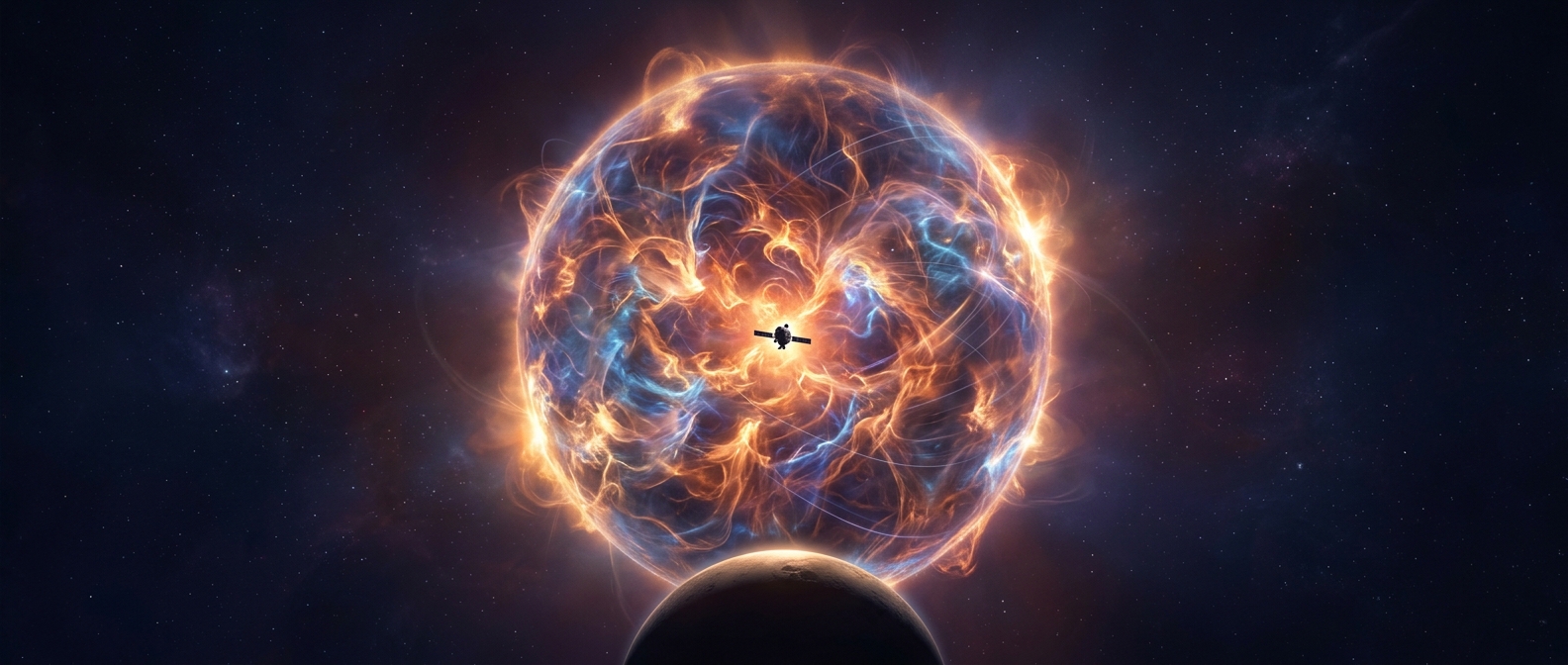
How the Sun’s plasma makes magnetic fields matter
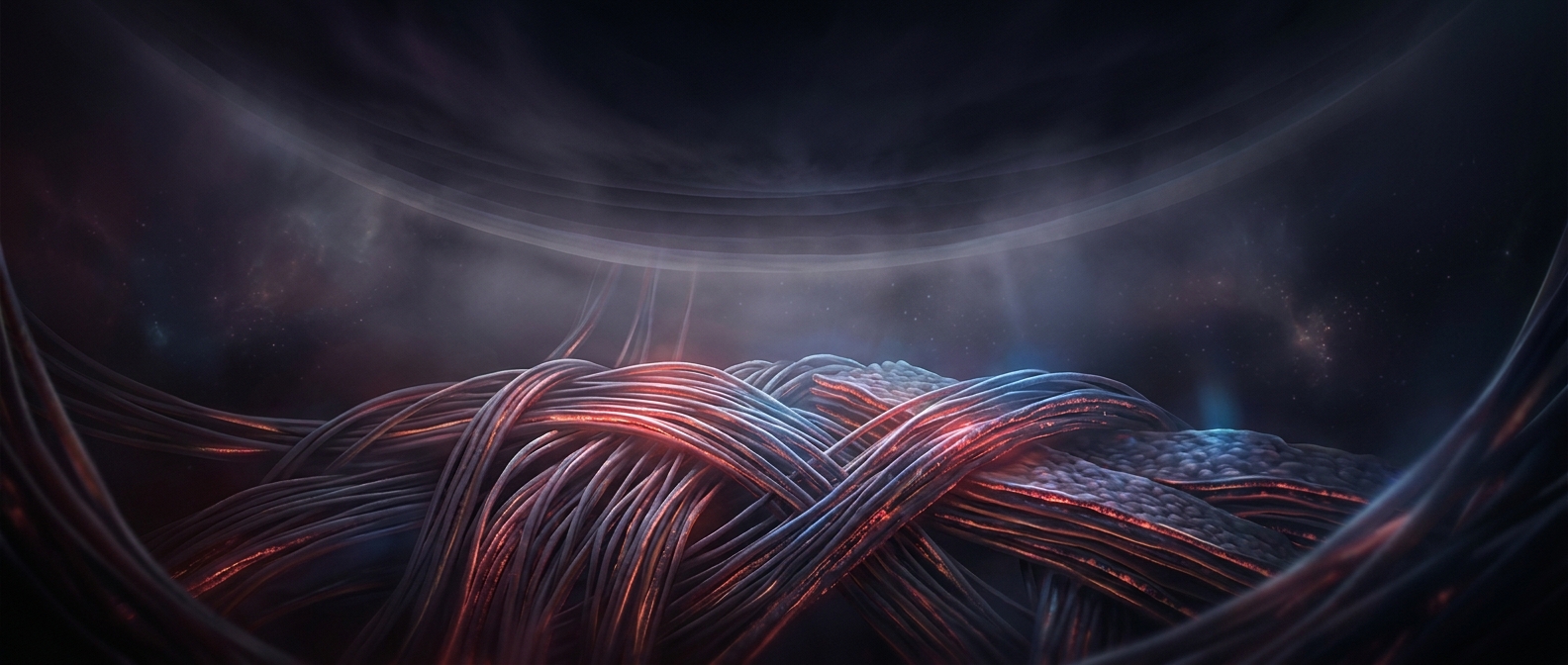
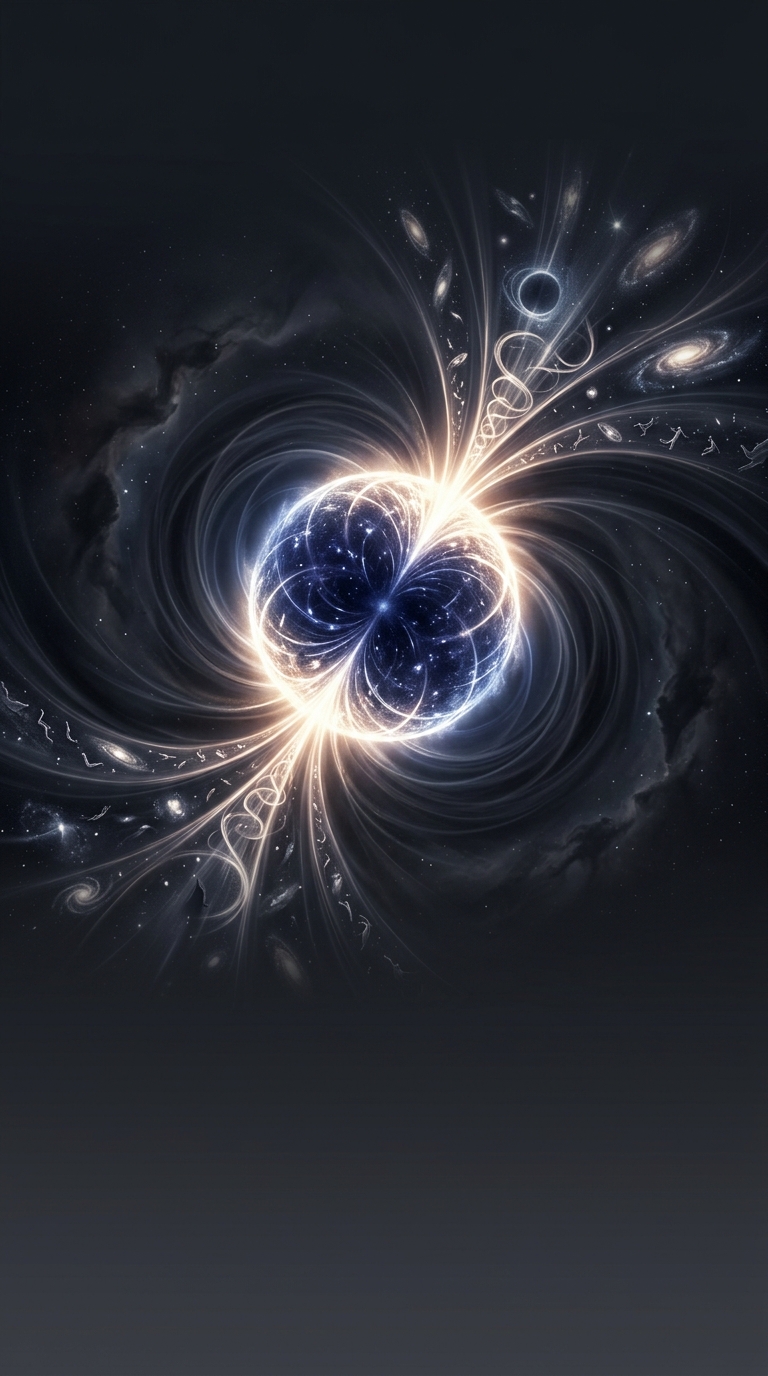
Because plasma contains free-moving charged particles, it responds to magnetic fields in a way ordinary neutral gas does not. The Sun’s interior is also in constant motion: hot material rises, cooler material sinks, and the Sun rotates. These motions carry and twist magnetic fields, while the fields in turn influence how the plasma moves. The result is a changing, tangled magnetic environment—not a static layer of glowing material.
From tangled fields to solar eruptions
Magnetic fields can concentrate in some regions and emerge through the Sun’s visible surface. Where strong fields disrupt the usual flow of heat, cooler-looking sunspots can appear. When stressed magnetic fields rearrange, they can release energy suddenly, producing flares and sometimes launching clouds of charged particles into space.
That activity is one reason the Sun’s influence extends far beyond its surface. Streams of particles and changing magnetic conditions can reach Earth, where they may disturb communications and satellites or help create auroras. The same charged-particle behavior that lets plasma respond to magnetism turns the Sun’s internal motion into space weather.