Science
Discover facts about science. Small discoveries that change the way you see familiar things.
Science
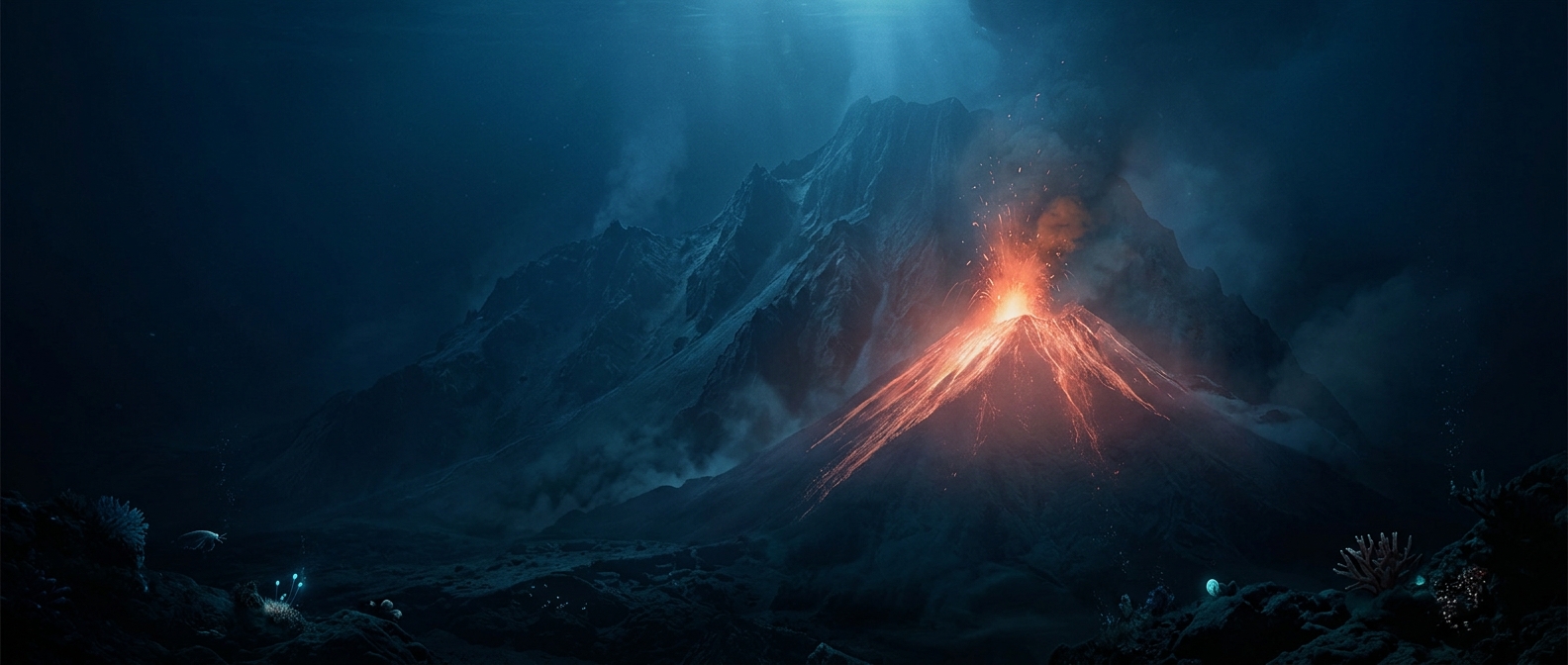
Most volcanoes are hidden under the sea
Under the ocean, Earth’s plates pull apart along long ridges. Molten rock rises into the gap and cools into new crust, building chains of volcanoes along the…
Discover more
Your tap water is older than the Sun
Some water in our solar system began as ice in the cloud that existed before the Sun formed. But water molecules can split apart and recombine, so the history…
Discover more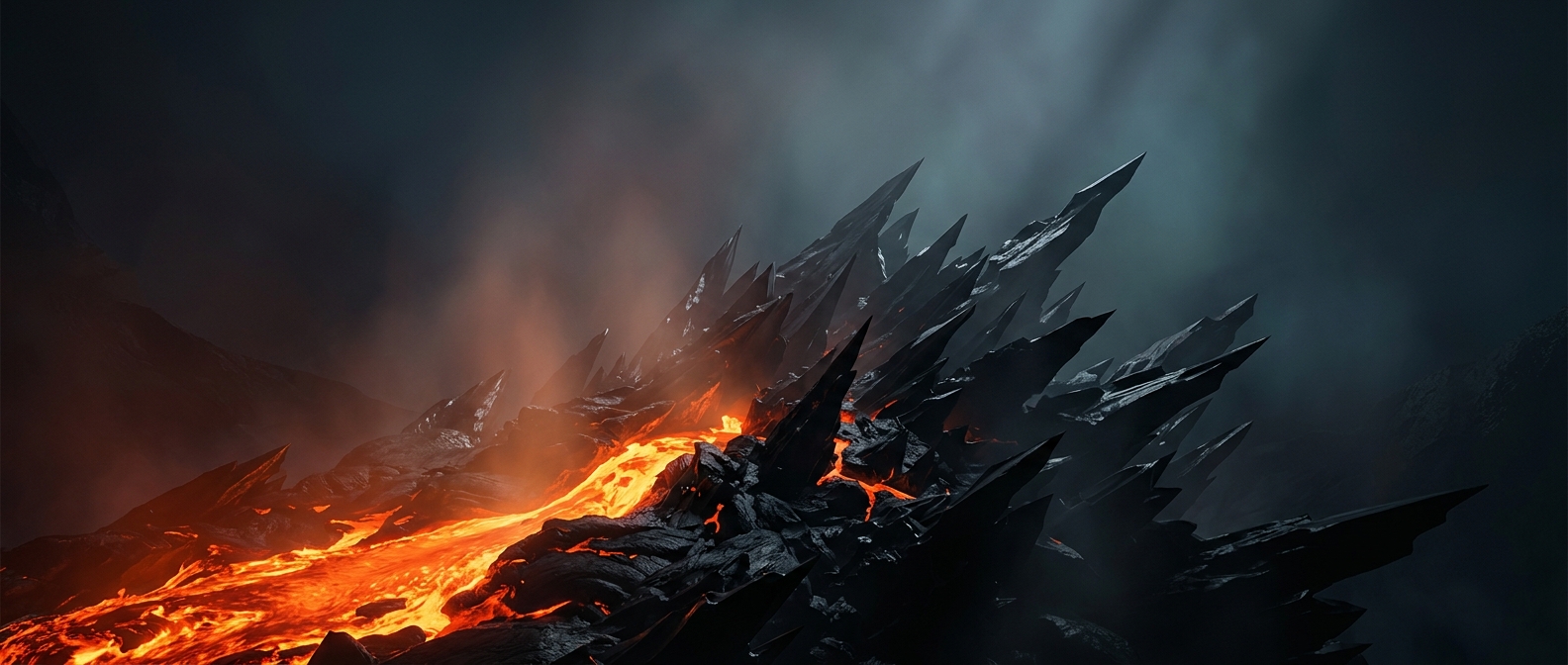
Lava cools down into incredibly sharp jagged rocks
Some cooled lava flows leave behind hard, angular chunks called clinker. Their edges haven’t been rolled smooth by rivers, so they can scrape away at a shoe…
Discover more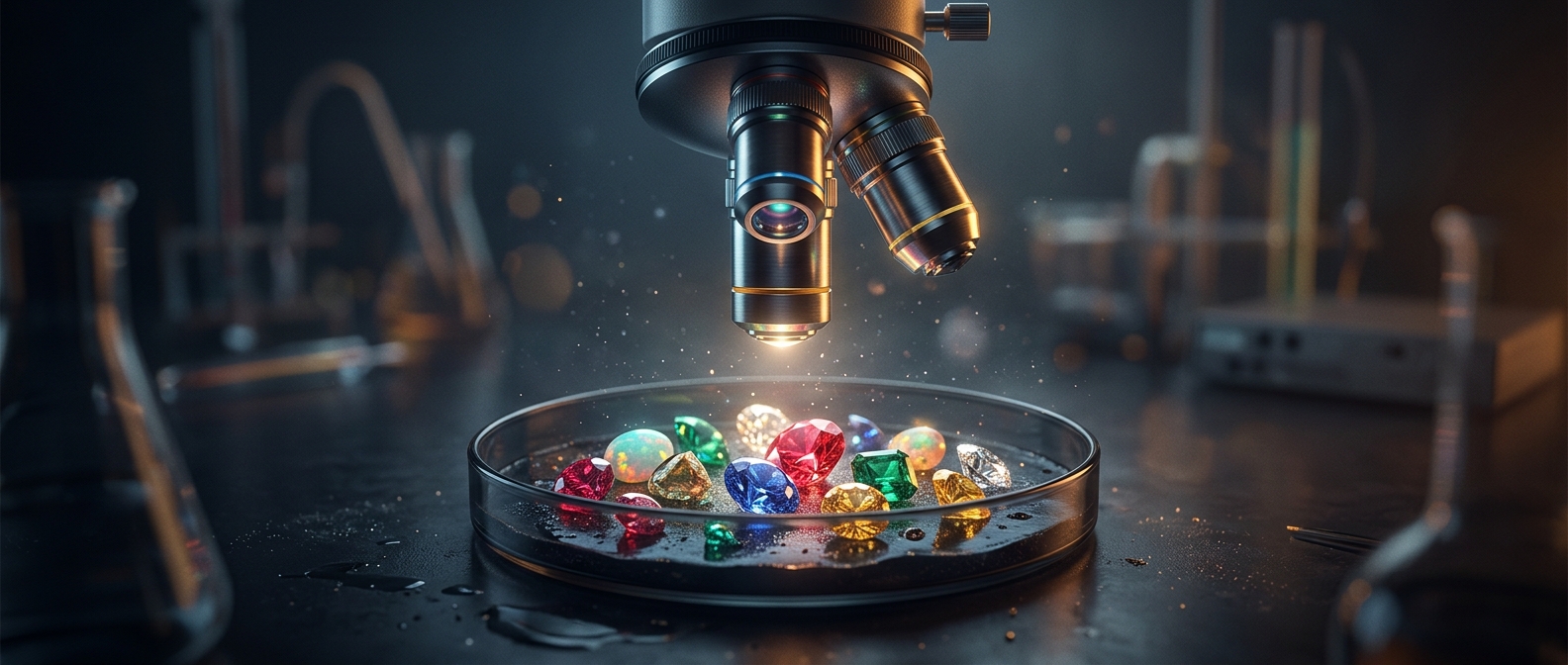
What beach sand looks like under a microscope
Under a microscope, beach sand stops looking like one substance and starts looking like a tiny collection of histories. Some grains are mineral fragments such…
Discover more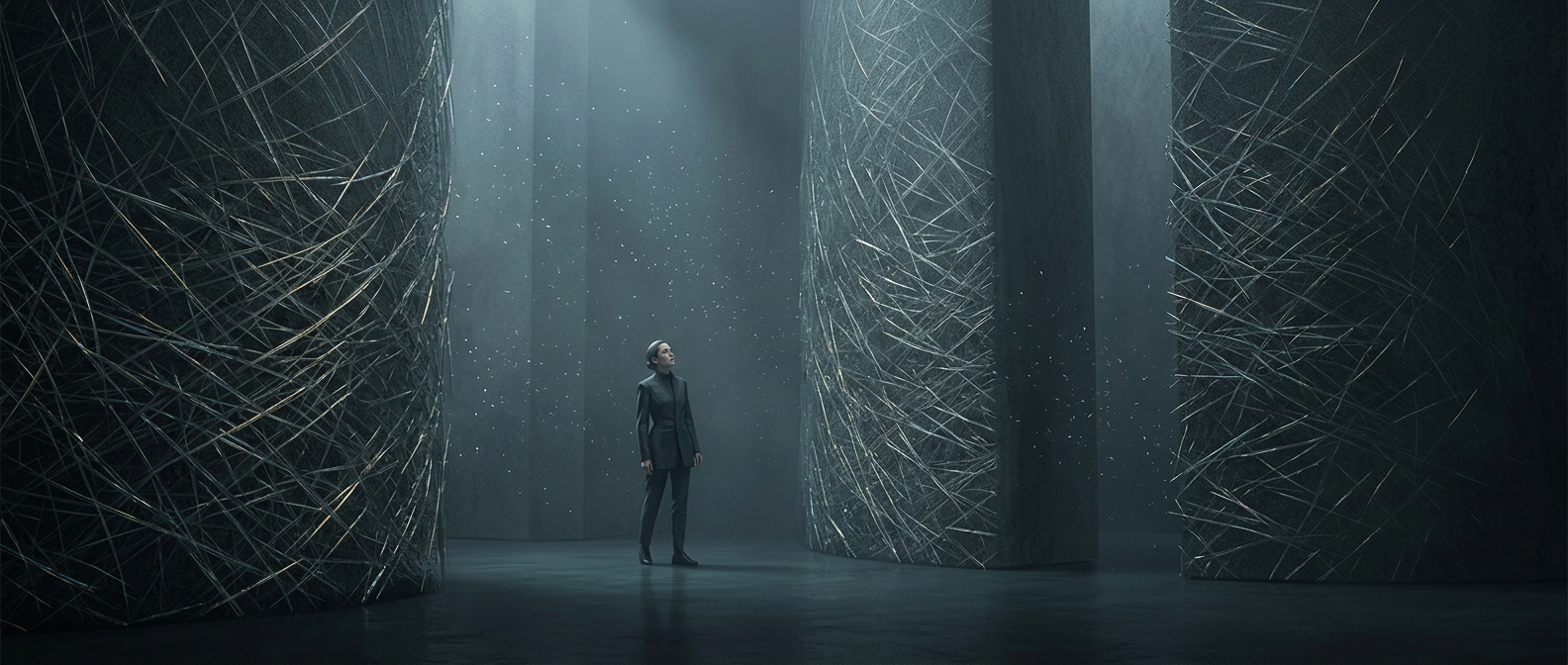
The itchy truth about fluffy pink insulation
A fiber lands on your skin and acts like a minuscule stiff bristle, scraping the surface. That mechanical irritation can trigger the nerves that make you…
Discover more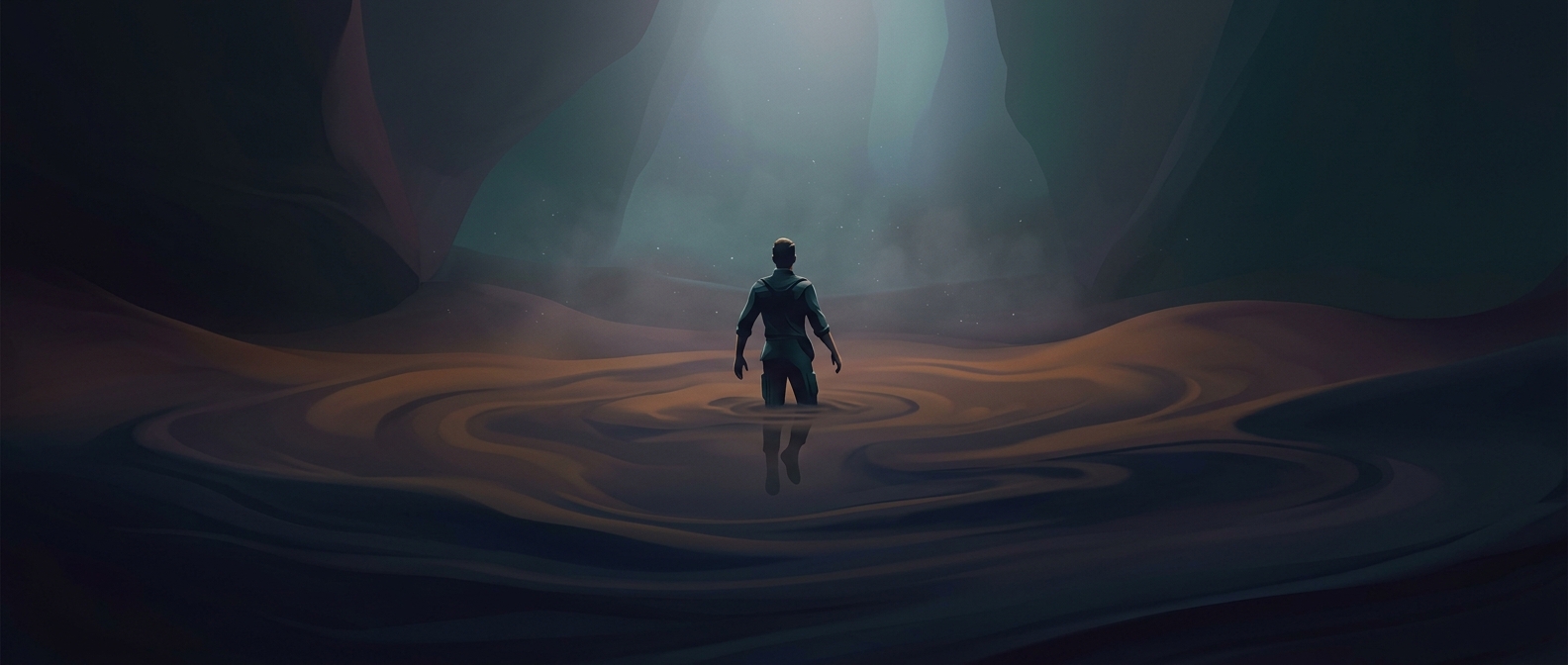
Why quicksand won't swallow you whole
Quicksand is waterlogged sand that can behave more like a dense fluid when disturbed. Your body is buoyant in it, so it’s unlikely to swallow you whole; the…
Discover more STACKY FOR IPHONE
A bigger world.
One discovery
at a time.
Keep discovering with Stacky. Interesting facts in an app that is always within reach.

Why you can't see a laser beam in empty space
A laser beam only shows up from the side when dust, smoke, or other particles scatter some of its light into your eyes. In empty space, the light keeps going…
Discover more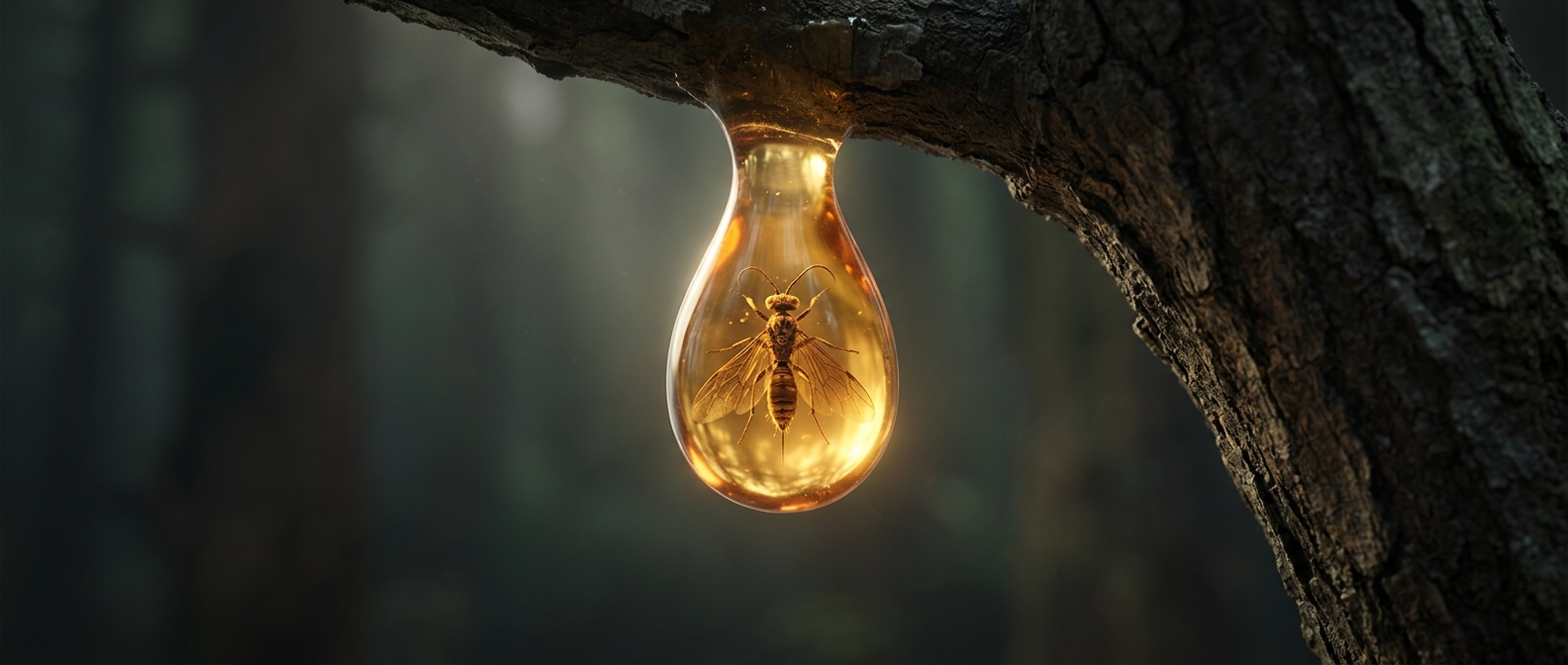
Sticky golden tree sap perfectly traps ancient dead insects
Amber begins as tree resin, a sticky material that can trap an insect before hardening around it. That can preserve fine details of its surface, though a…
Discover more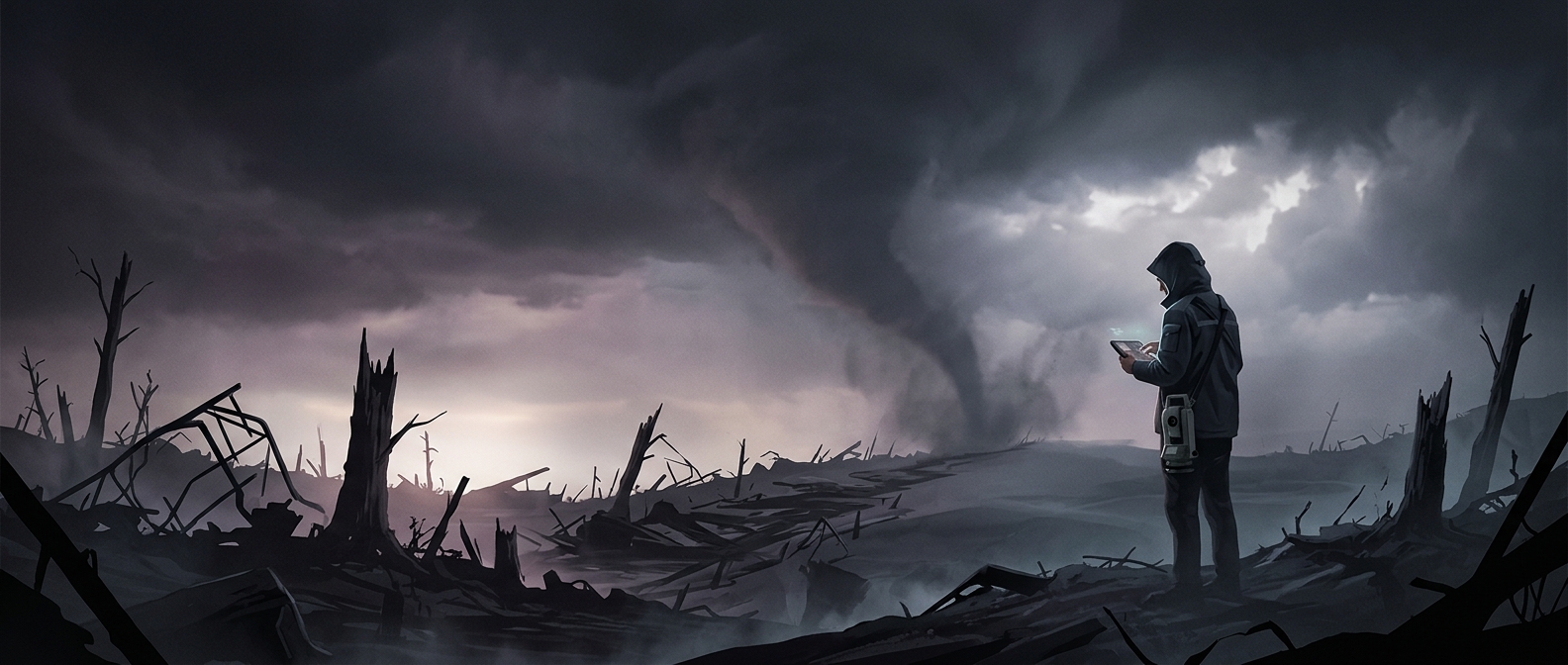
Rating complete tornado damage after the fact
After a tornado, surveyors use damage to estimate how strong its winds were. They compare what happened to buildings and trees with standardized indicators,…
Discover more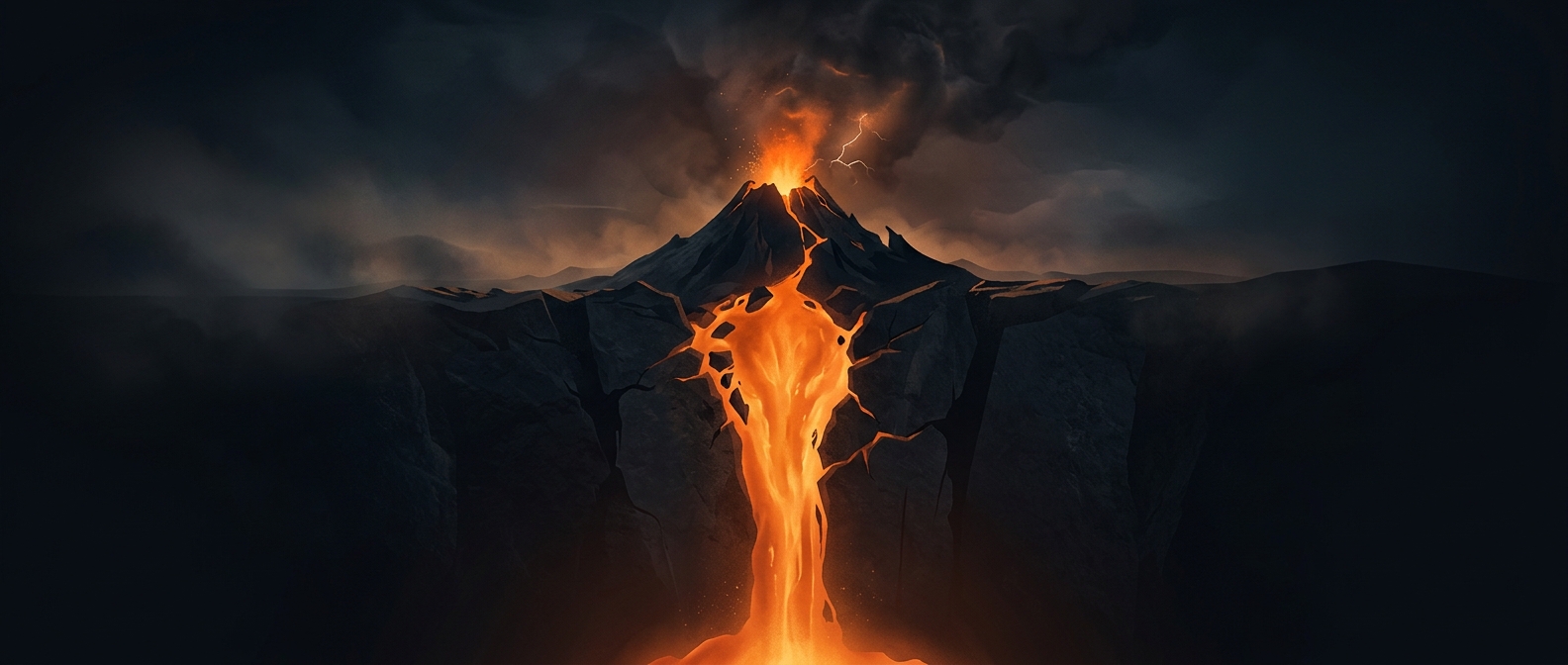
Giant mantle plumes violently driving volcanoes
A mantle plume is not a river of lava rising through Earth. It is mostly hot, solid rock that creeps upward; as pressure drops on the way, some of the rock…
Discover more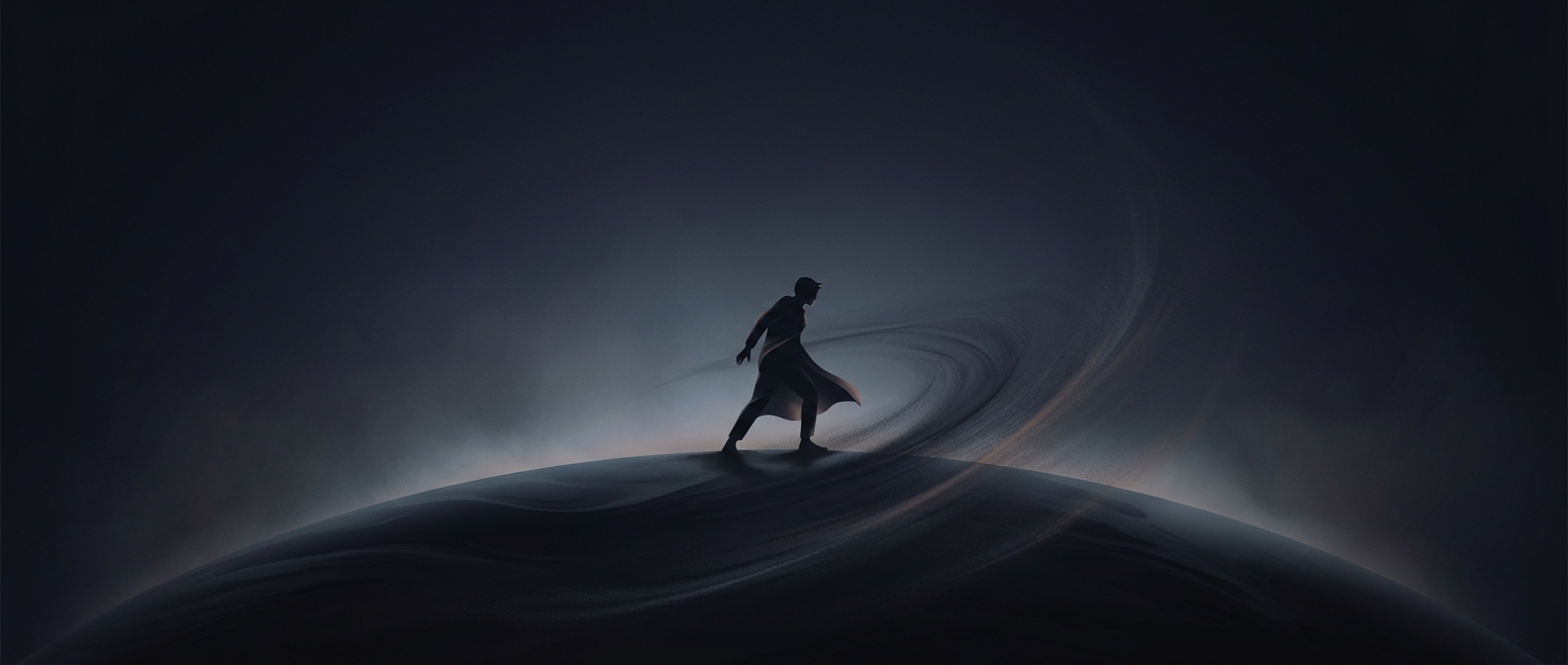
Invisible force keeping us from floating away
Astronauts in orbit are still falling toward Earth under gravity, but their spacecraft is falling alongside them. Since neither is being held up by a floor,…
Discover more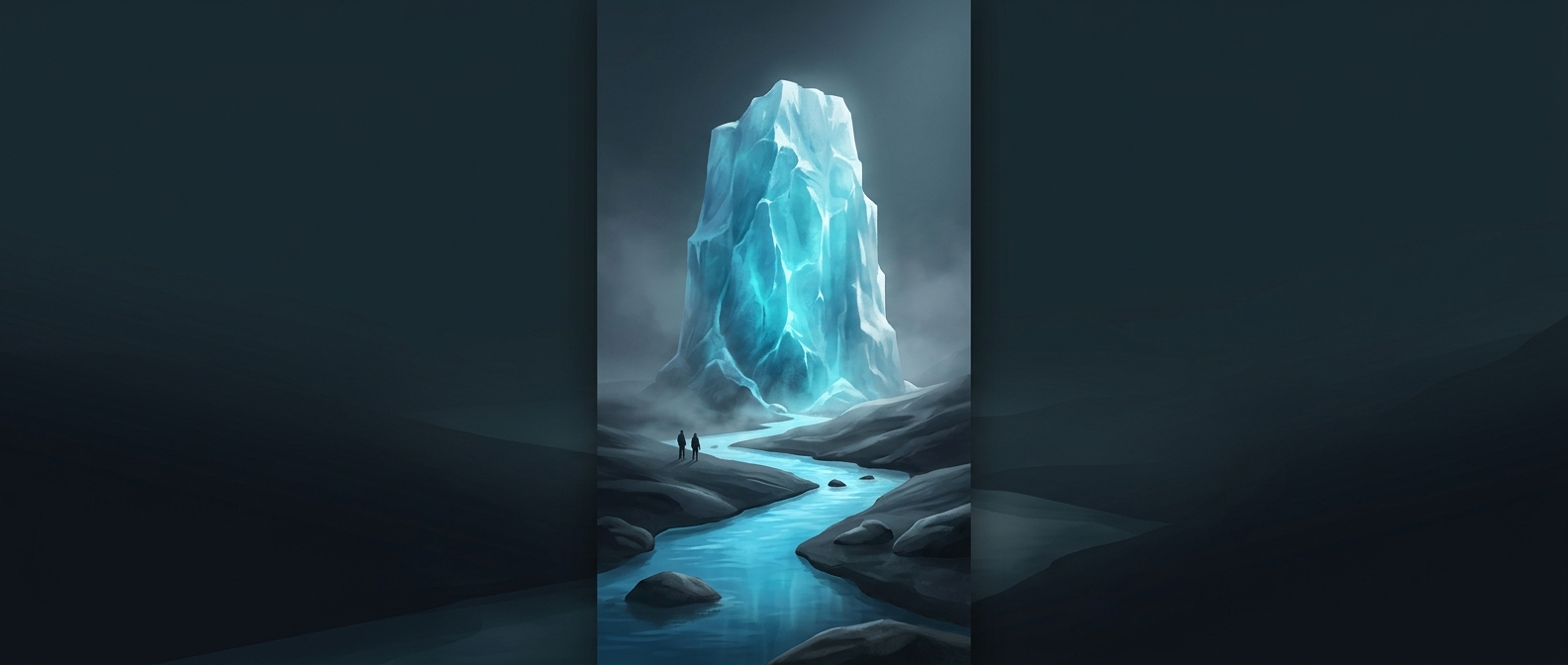
Massive glaciers hold most of our freshwater reserves
Antarctica and Greenland hold enormous freshwater reserves in their ice sheets. But frozen water far from most communities is not the same as water ready at a…
Discover more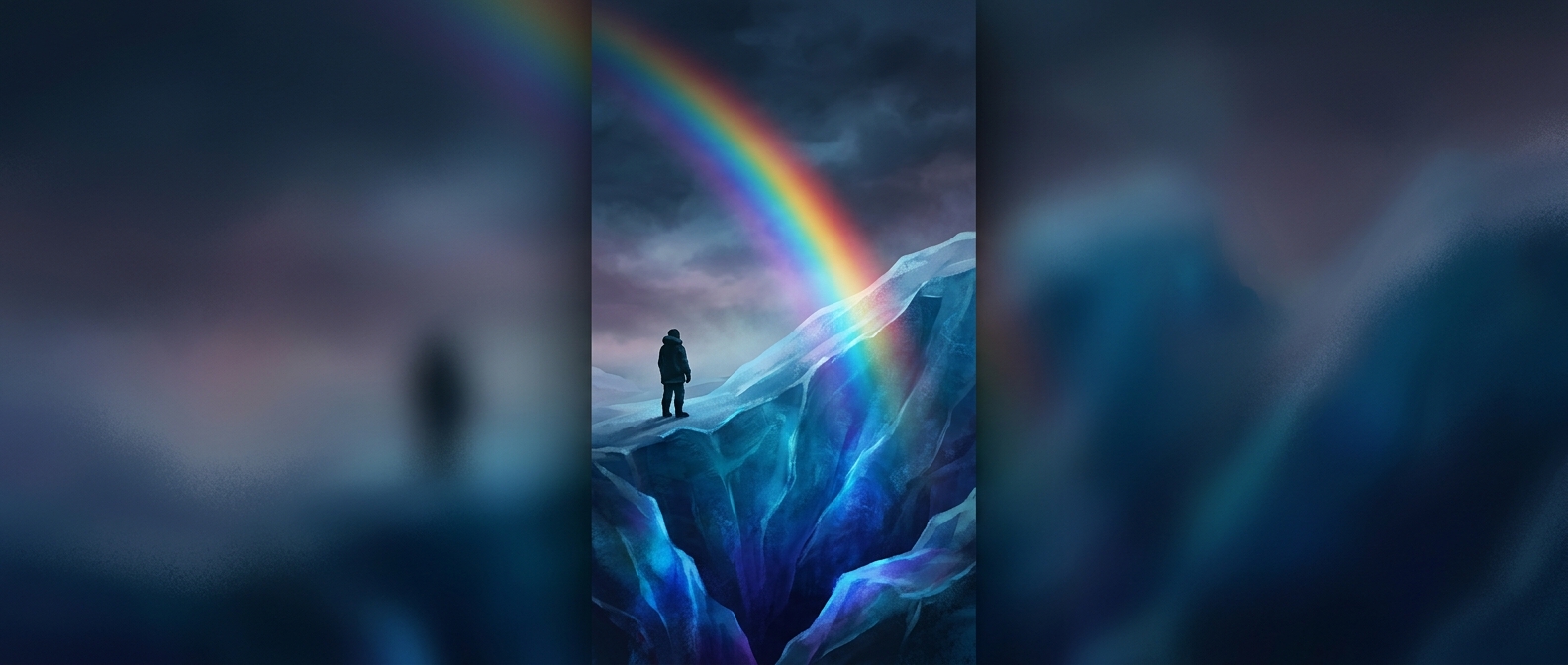
Glacier ice turns blue by filtering out red light
Dense glacier ice absorbs much of the red light as sunlight travels through it, leaving more blue light to reach your eyes. That’s why the blue comes from…
Discover more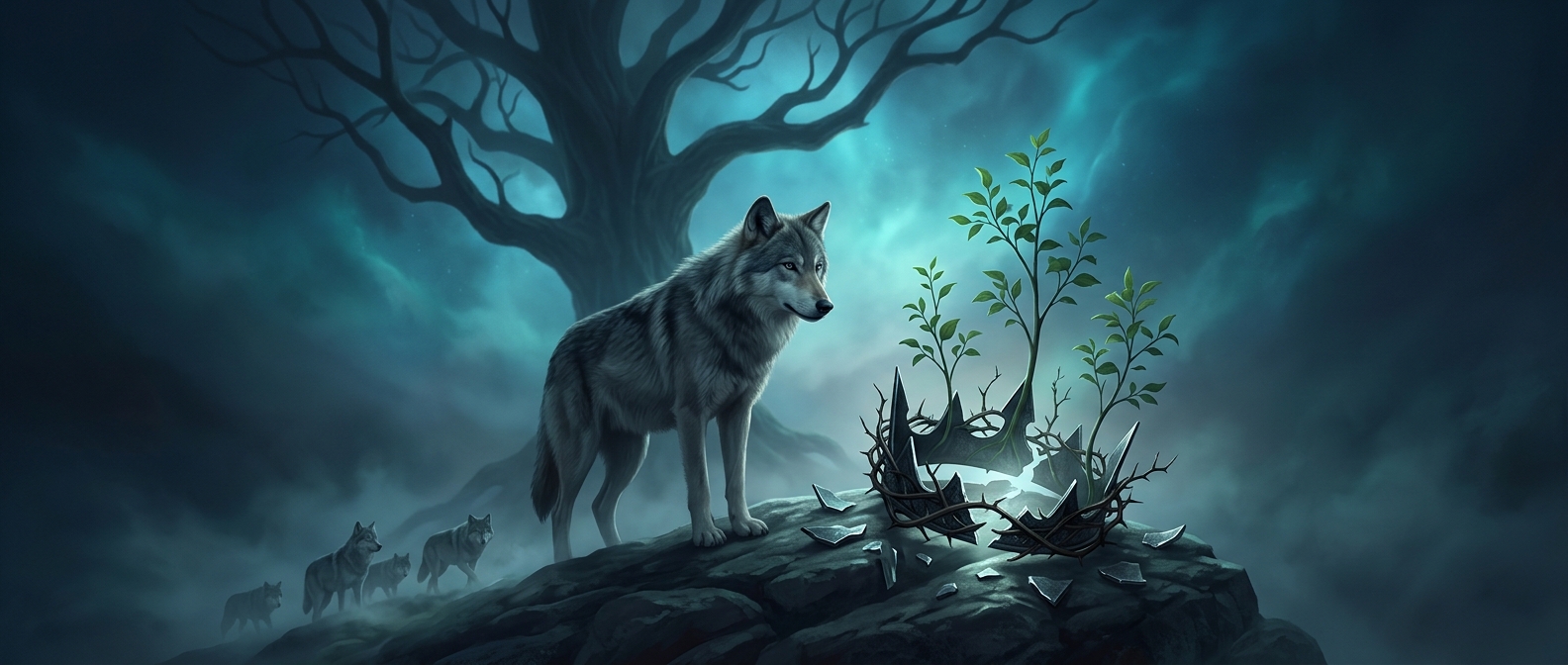
The scientist who changed his mind about alpha wolves
A wild wolf pack is generally parents and their young, not strangers clawing their way up a rank ladder. That’s why David Mech later rejected “alpha” as a…
Discover more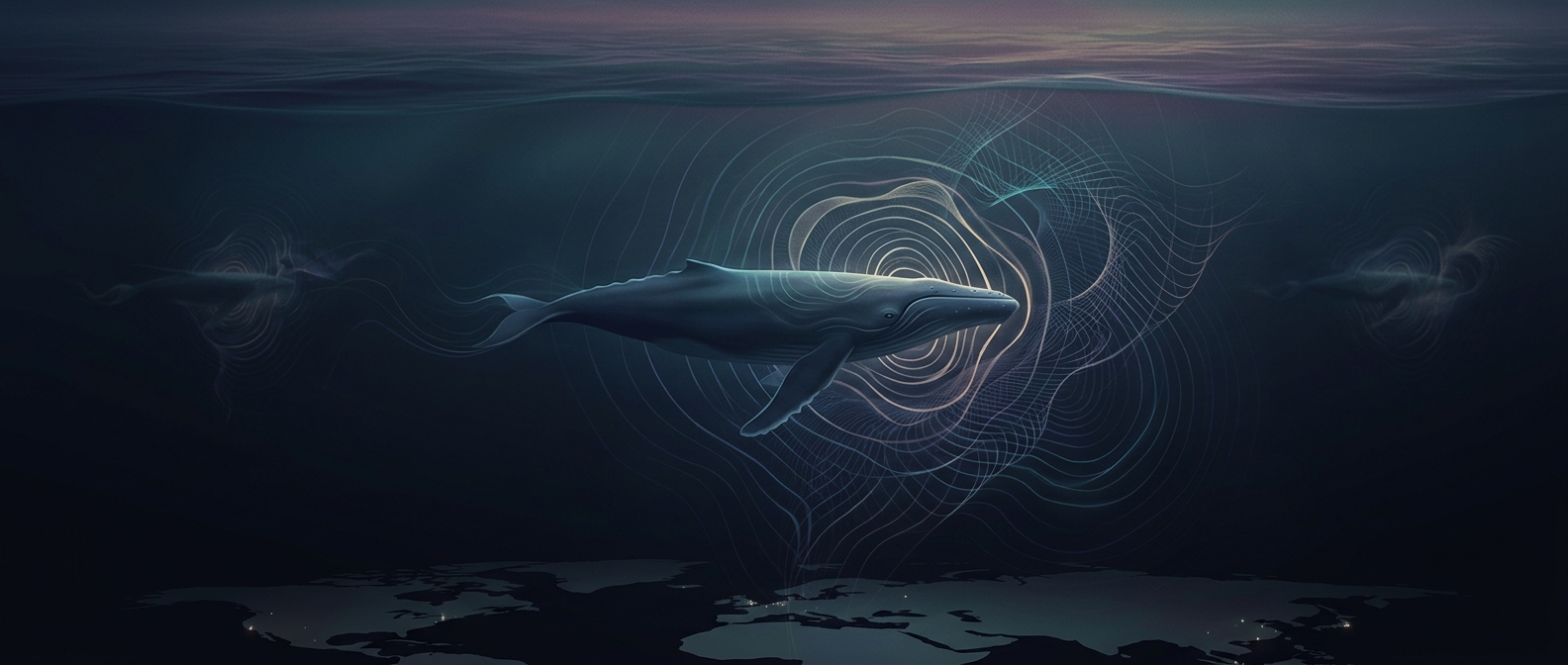
Whale calls can cross entire oceans
Low notes tend to lose less energy as they travel through seawater than high notes do, so some whale calls can carry a long way. Currents, water layers, and…
Discover more
Calculating the invisible force that pulls apples downward
Earth pulls an apple down, but the apple pulls Earth up with the same force. Earth barely budges because its enormous mass makes the effect of that tug tiny.…
Discover more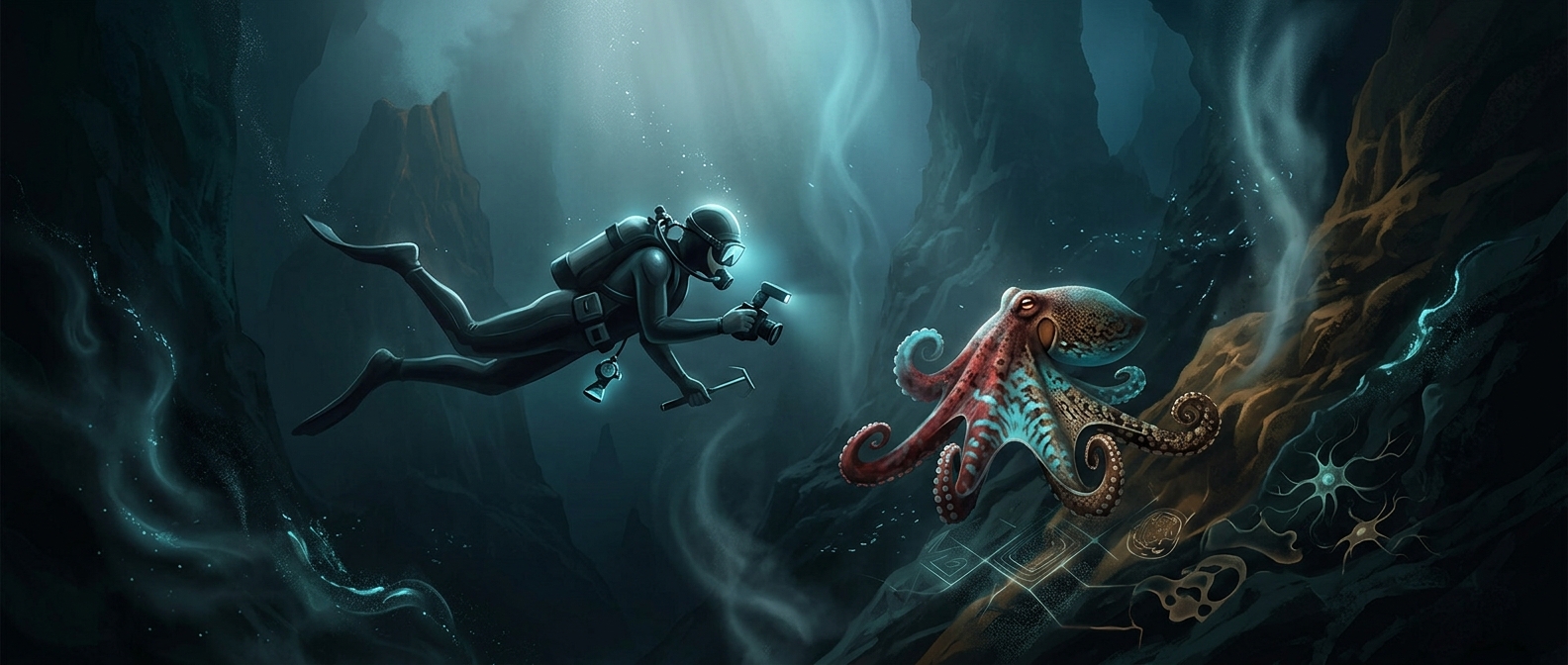
Studying eight-legged sea creatures that change colors
An octopus can squeeze through a gap as narrow as its beak because the rest of its body is soft and flexible. The beak is the hard part that sets the limit;…
Discover more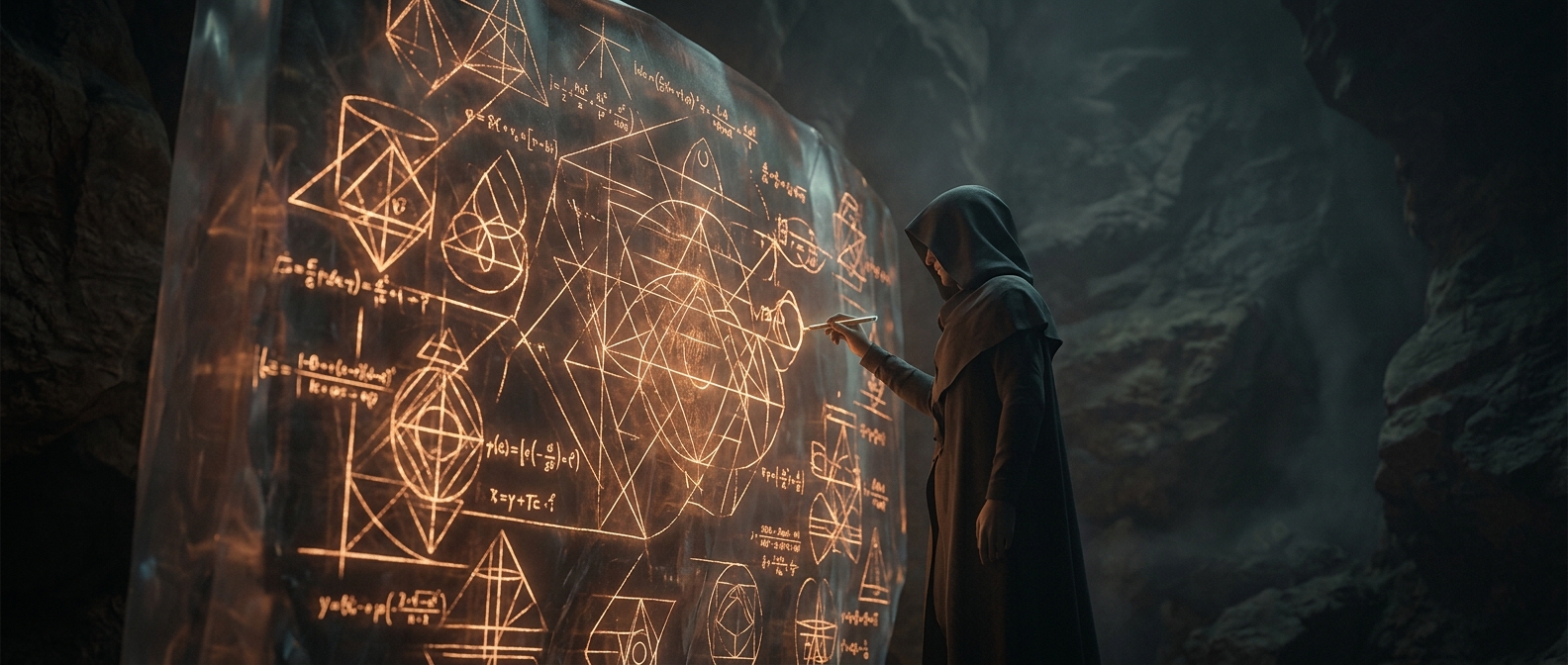
Solving abstract equations for absolutely no reason
A suspension bridge carries its deck’s load through cables to towers, and each part must handle the force passed along to it. Engineers use equations to track…
Discover more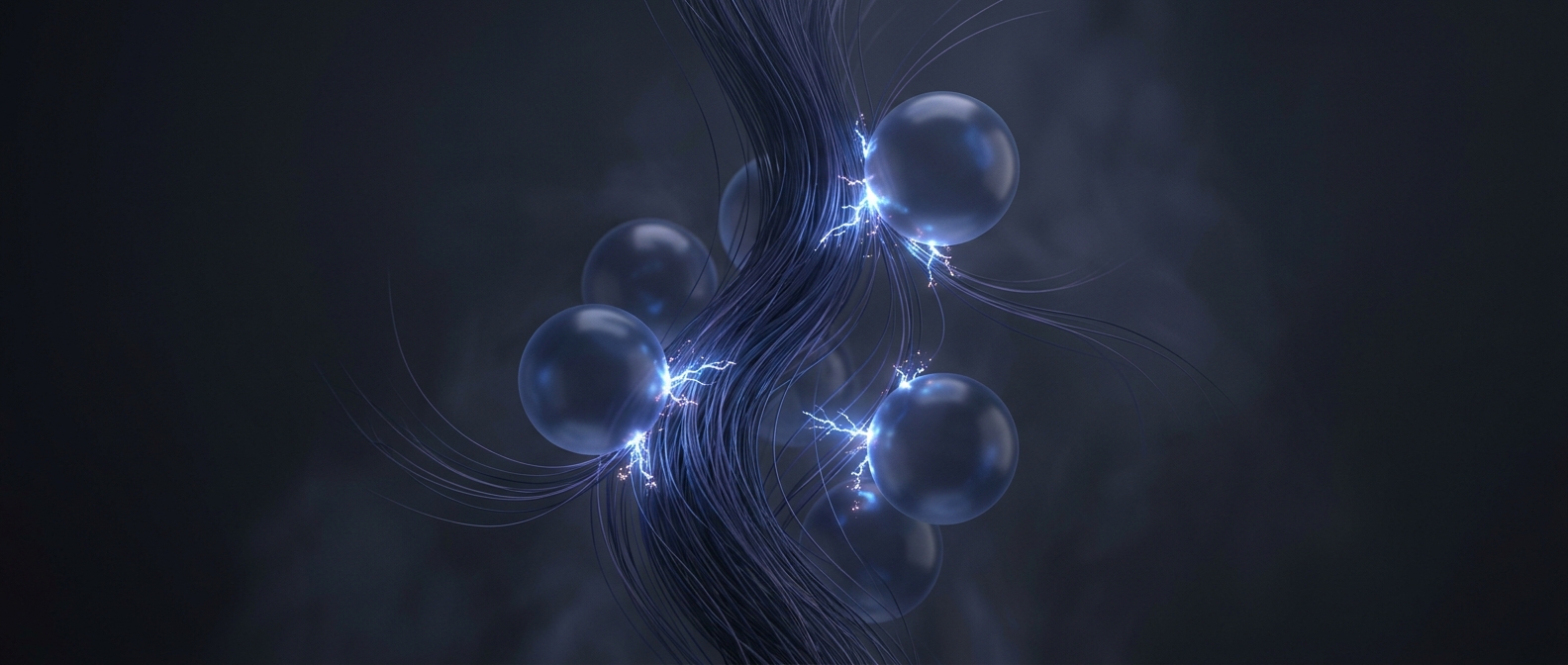
Rubbing rubber balloons on hair creates tiny localized shocks
Rub a balloon on your hair and electrons move from the hair onto the balloon. The balloon becomes negatively charged, while the hairs are left positively…
Discover more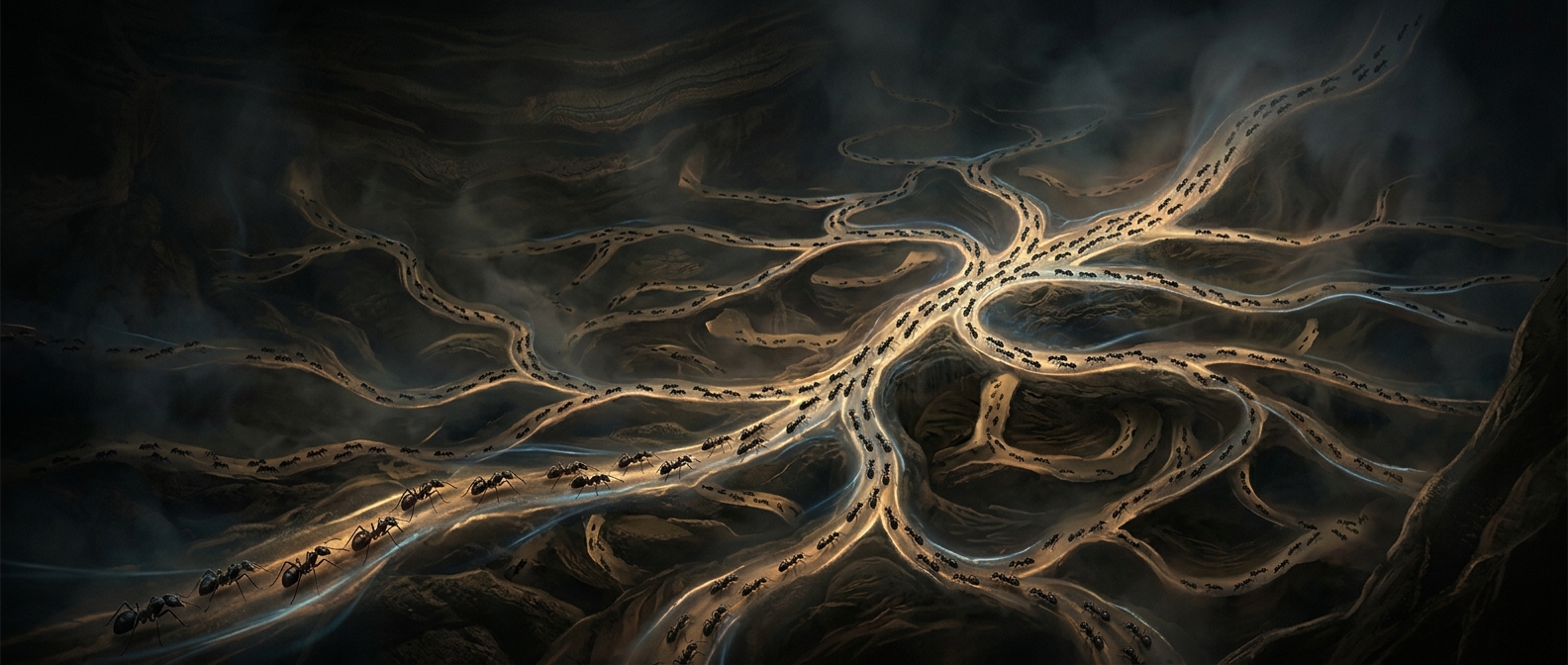
Ant colonies have no boss
When an ant finds a good food route, it leaves a chemical trail. Other ants follow it and add more scent, making that route easier for the next ants to find;…
Discover more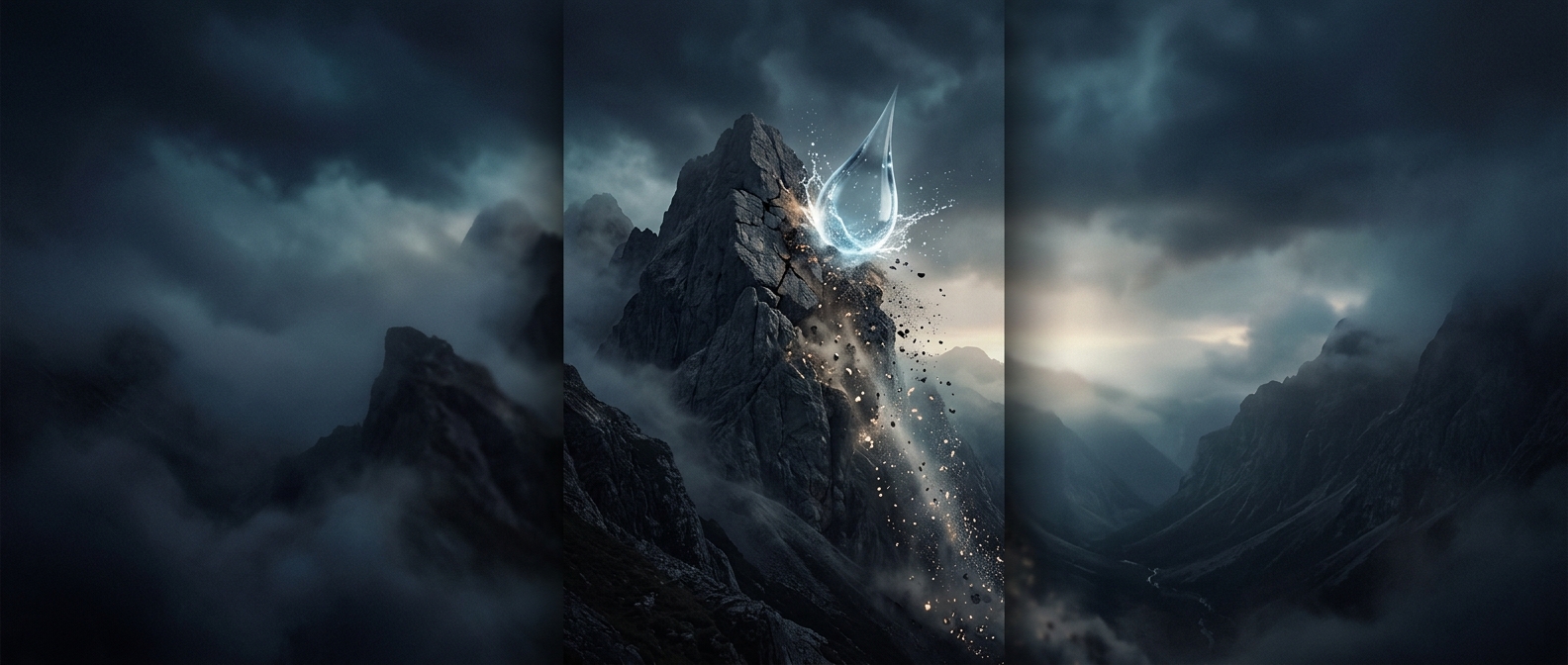
How rain slowly destroys mountains
Rain breaks rock into smaller pieces, then carries the loosened grains downhill into streams and rivers. Over millions of years, that slow removal can lower a…
Discover more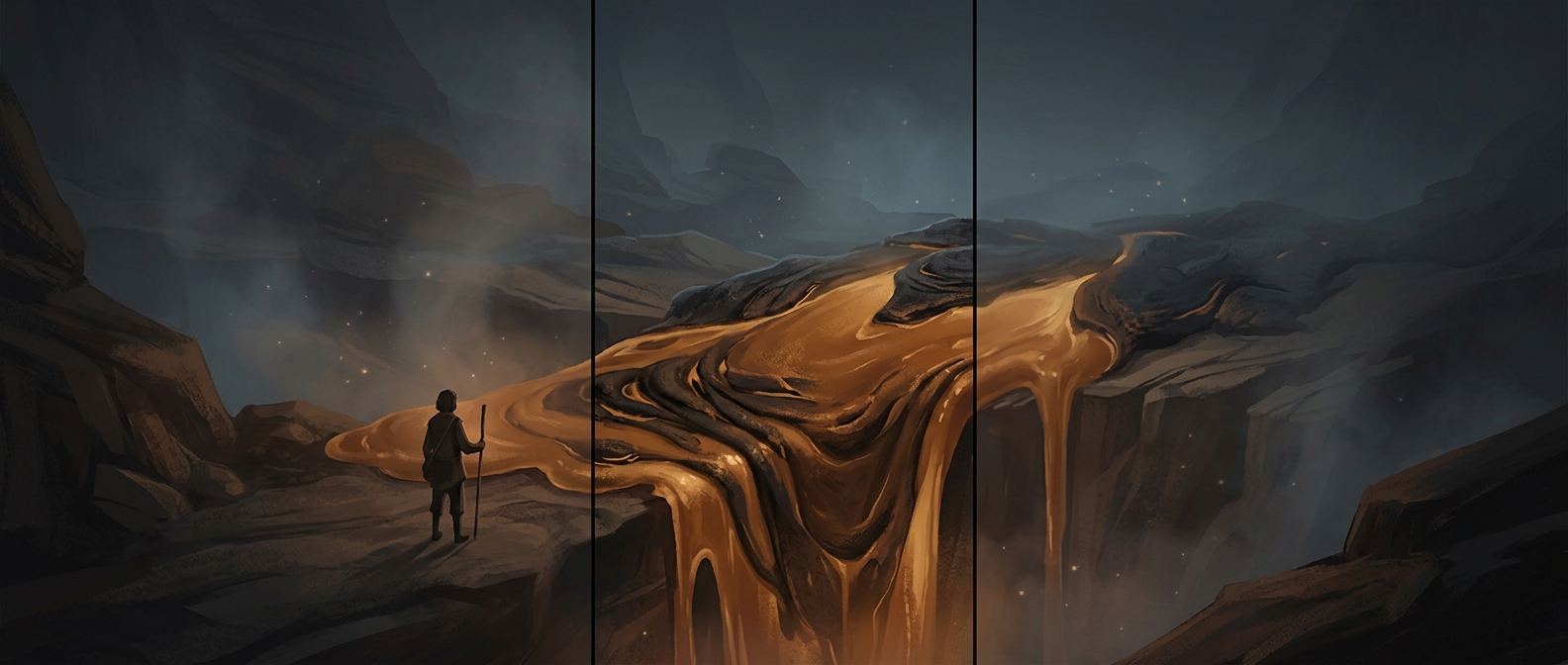
You could outrun most lava flows
Lava’s pace depends on its thickness, temperature, slope, and type. Thick lava that’s losing heat may crawl slowly enough to outrun, but that doesn’t make…
Discover more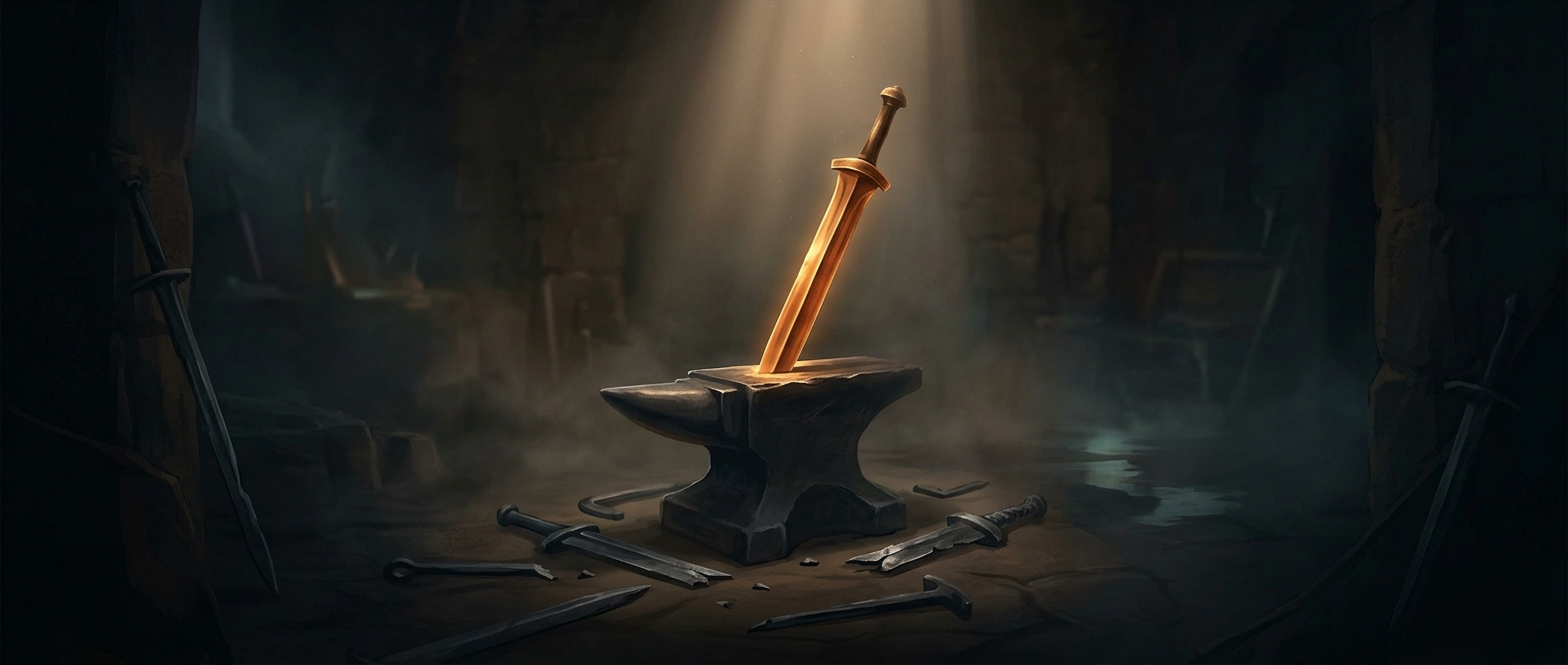
Why iron replaced stronger bronze
Bronze had a supply problem: making it required tin, which was scarce. Iron ore was easier to find, and improved smelting let people make iron in quantity,…
Discover more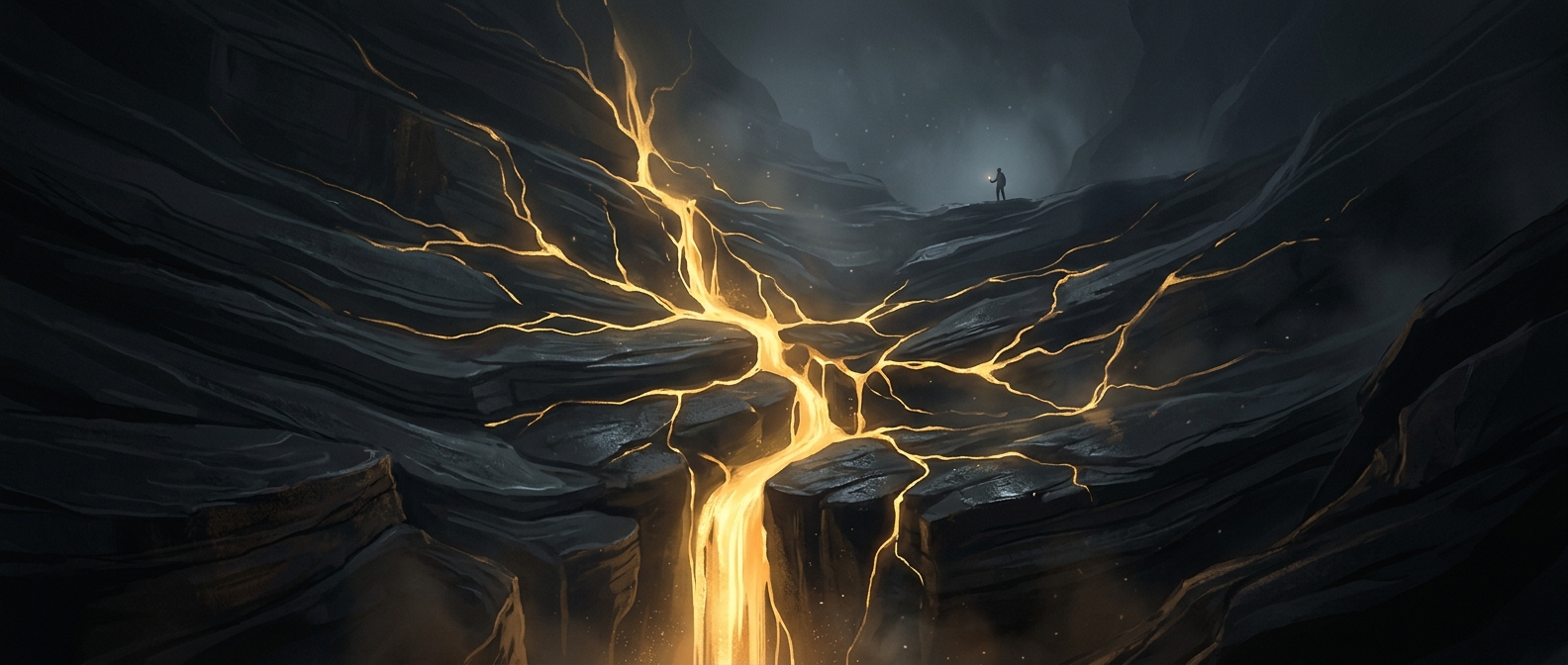
Gold is naturally deposited through geological veins
Gold can ride through cracks in hot geological water while dissolved, invisible as flakes. If the fluid cools or reacts with nearby rock, the gold comes out…
Discover more