Why rubbing makes the balloon charged
Rubbing does not create electrons; it helps transfer them. As the balloon and hair repeatedly press together and separate, some electrons move from one material to the other. The balloon gains extra electrons and becomes negatively charged, while the hair loses electrons and becomes positively charged. This kind of charge separation is often called static electricity because the charges build up rather than flowing continuously through a circuit.
Why the hairs lift apart
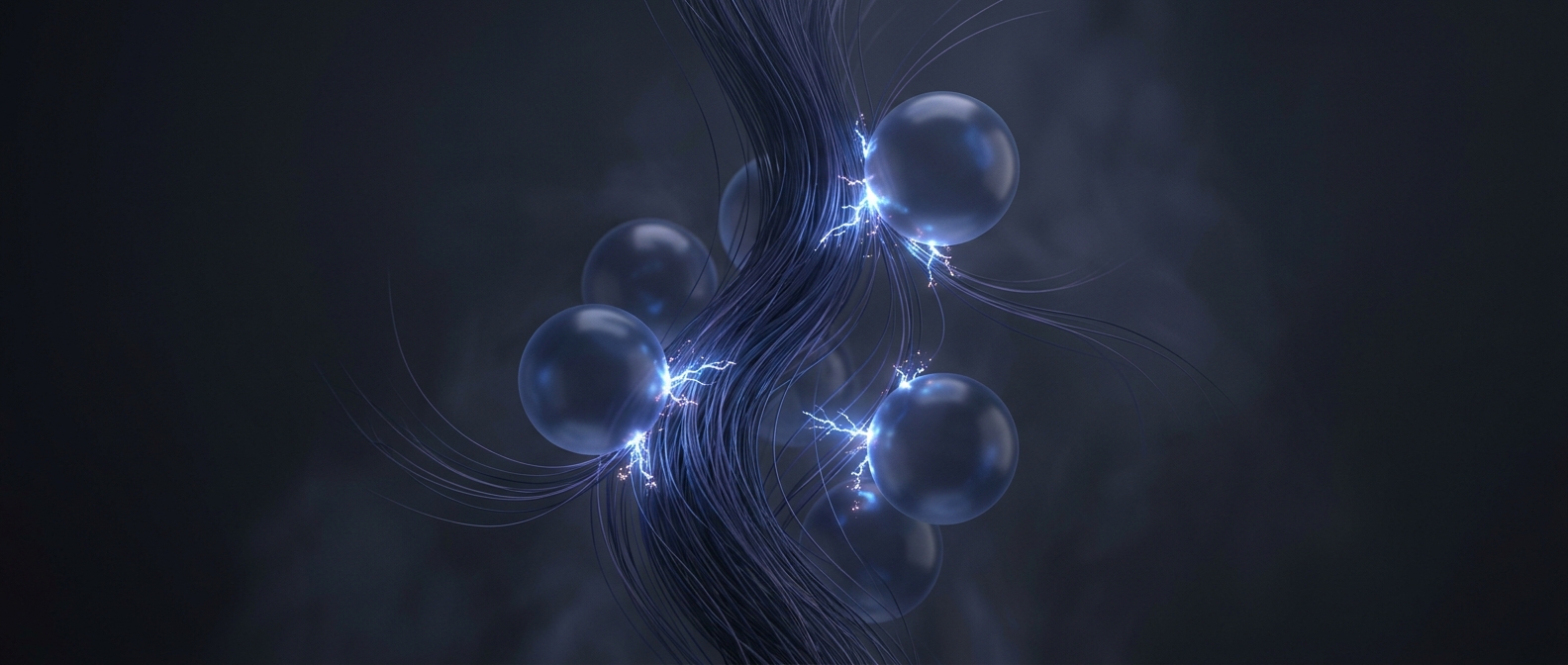
Each strand that loses electrons carries the same positive charge as its neighbors. Like charges repel, so the strands push away from one another. Because each hair is light and flexible, even a small electrical force can overcome gravity and make it stand up. The balloon can also attract the hair: opposite charges pull together, and a charged balloon can even shift charges slightly inside a nearby neutral object, making the closer side more attractive.
Why the effect fades
The separated charge does not last forever. Moisture in the air helps charge leak away across surfaces, so the trick often works better in dry conditions. Touching the charged balloon or hair to a conductor can also give the excess charge a path to move away. When the charge drains, the repulsion weakens—and the hairs settle back down.