How a Raindrop Helps Wear Down a Mountain
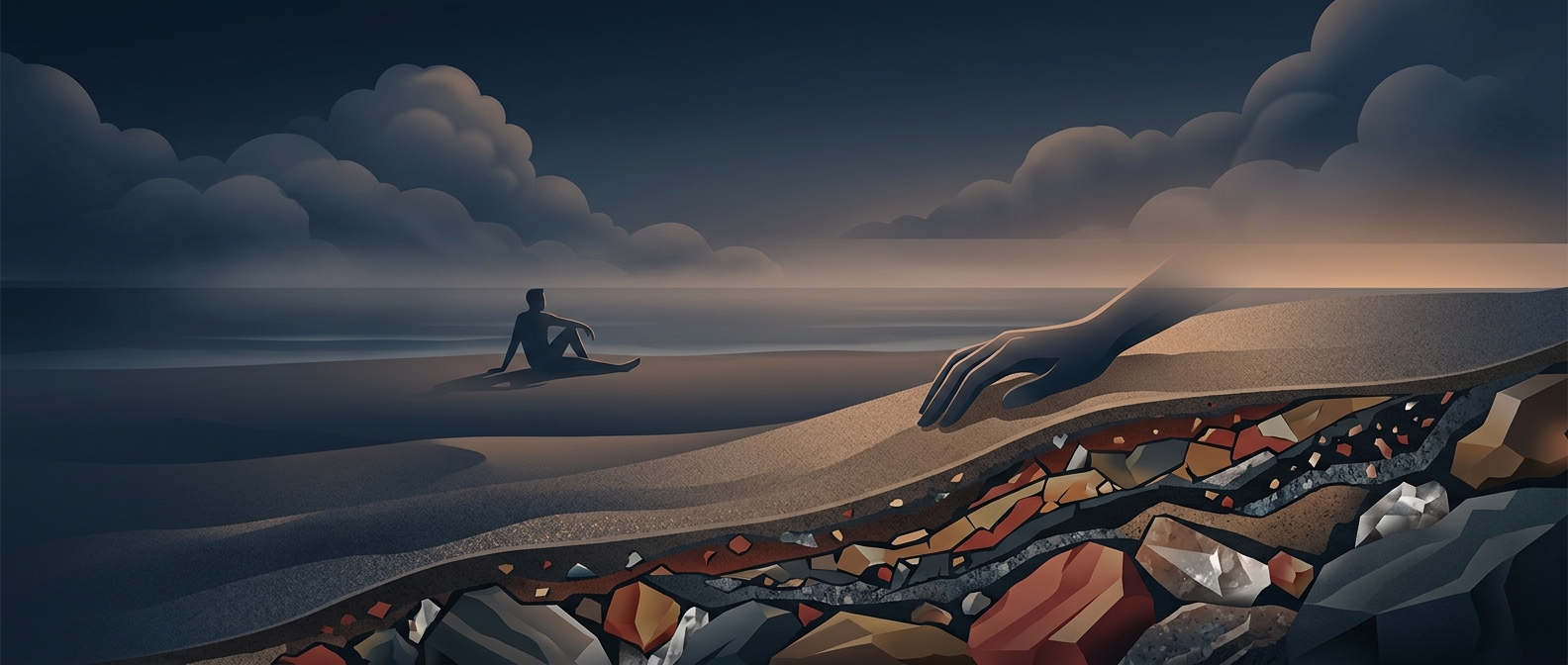
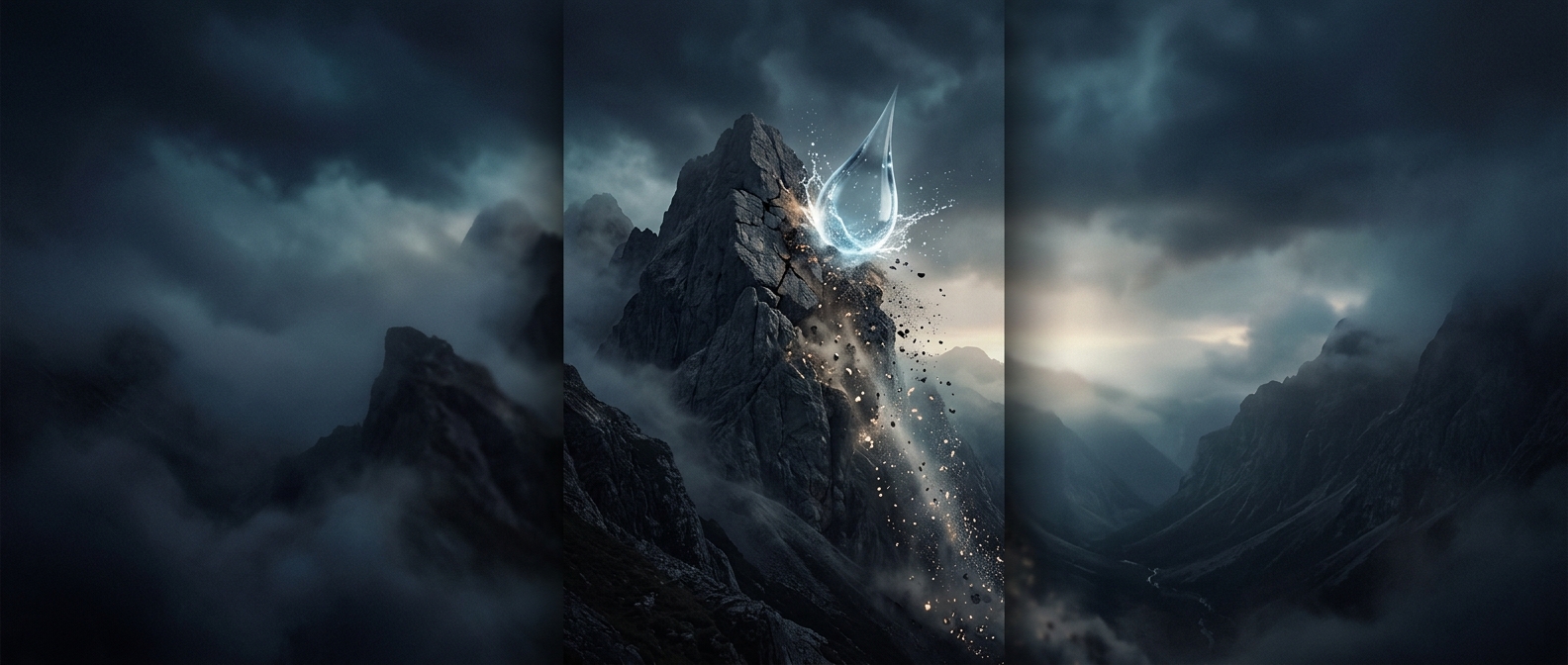
Rain does not usually dissolve a mountain in one dramatic event. Its work begins at the surface, where water seeps into cracks and weak spots in rock. Repeated wetting and drying, temperature changes, and the movement of water can gradually loosen fragments. Chemical reactions also alter some minerals, making rock easier to break apart. This breakdown is called weathering.
From Loose Grains to Lower Slopes
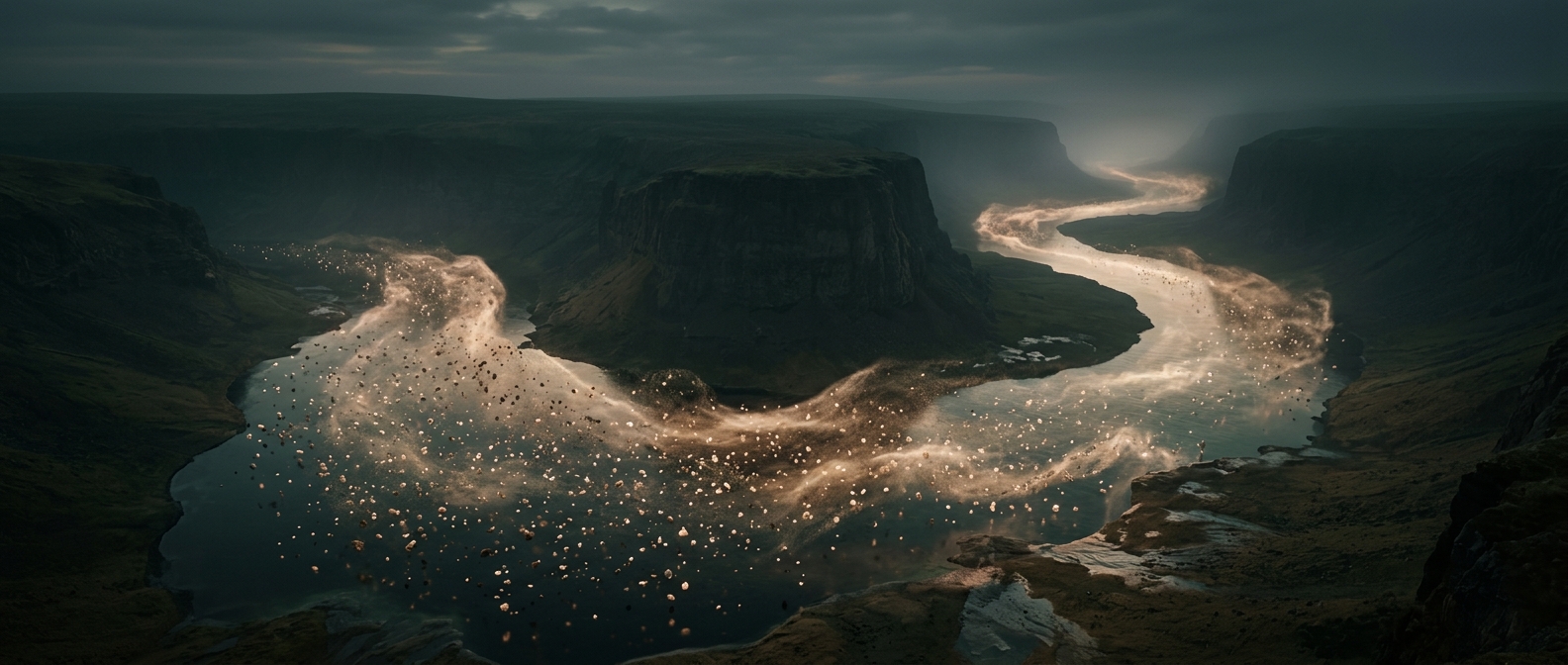
Once pieces have separated from the bedrock, gravity helps move them downhill. Rainwater can wash fine grains into gullies and streams; larger fragments may tumble or slide down slopes. Rivers then carry sediment—bits of rock and soil—away from the range and deposit it farther downstream.
That transport matters. If broken material simply piled up beside its source, it would partly shield the rock beneath. By carrying sediment away, streams expose fresh surfaces to further weathering and erosion. Erosion is the removal and transport of material, rather than just its breakdown.
Why Mountains Do Not Simply Disappear
A mountain range’s elevation reflects two opposing processes. Tectonic forces can raise rock as Earth’s crust shifts and collides, while weathering and erosion remove material from above. The balance varies from place to place: steep slopes and powerful rivers can move debris quickly, while resistant rock or a dry climate may slow the process.
Across millions of years, even modest losses add up. The grains carried away in a stream today may eventually settle far from the mountain, while the land beneath them continues to rise—or not. A range’s shape and height are the changing result of that contest between uplift and removal.