Science
Discover facts about science. Small discoveries that change the way you see familiar things.
Science

A physicist grows snowflakes that look like twins
Kenneth Libbrecht controls temperature and humidity so neighboring ice crystals develop almost matching shapes. In a cloud, different paths give crystals…
Discover more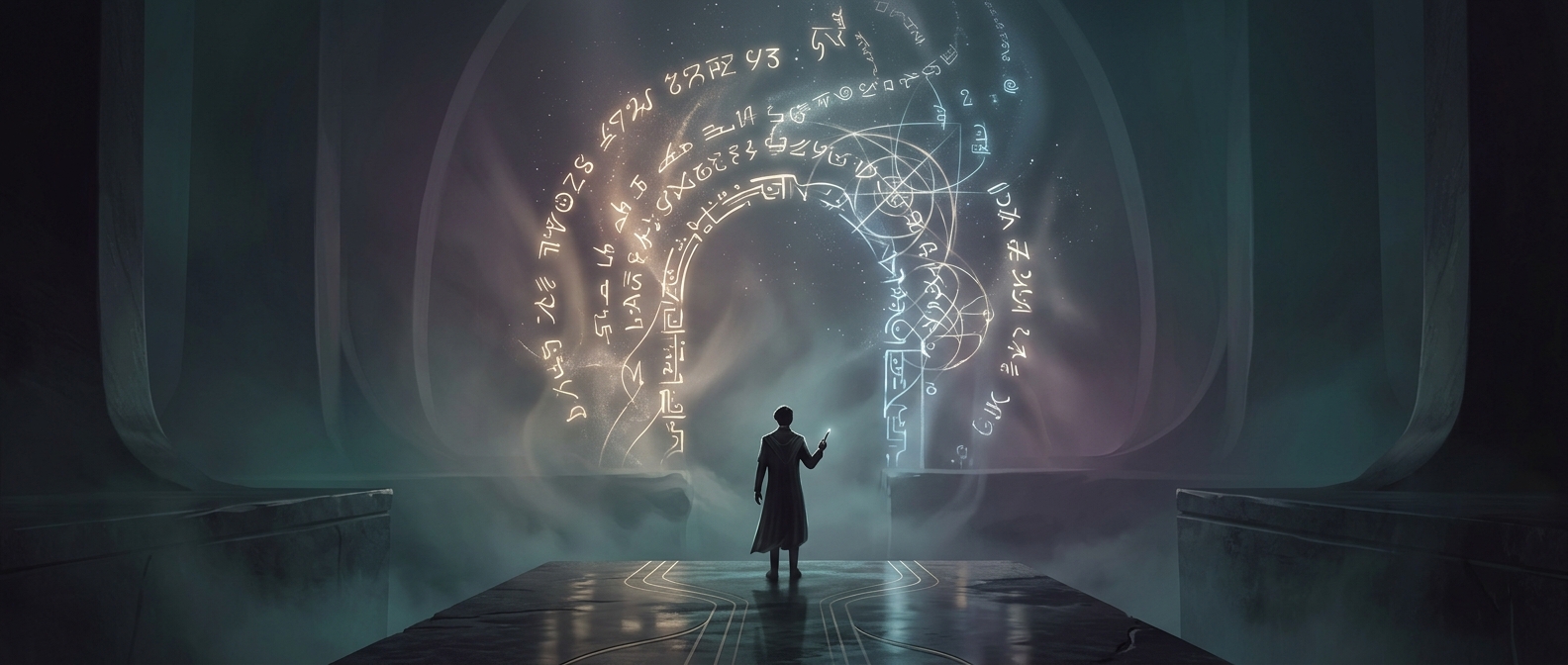
Admitting that some equations are unprovable
A mathematical rulebook can be consistent yet unable to prove every truth it can describe. If it is powerful enough to handle basic arithmetic, there are…
Discover more
Absolute zero stops all movement
Absolute zero is the point where there is no more thermal energy left to remove, not a command that makes every particle freeze motionless. Quantum rules…
Discover more
Assigning complicated dead latin names to extremely tiny bugs
A bug can have different common names in different regions, which gets awkward when scientists compare notes. A scientific name gives the species one shared…
Discover more
Measuring radioactive decay to figure out how old dirt is
Some atoms in a sample change into other atoms at a predictable rate. Scientists measure how much of the original isotope remains and how much it has turned…
Discover more
digits that refuse to be divided evenly
A hash table with a prime number of slots can spread keys more evenly with some ways of assigning them to slots. Because a prime has no factors beyond 1 and…
Discover more STACKY FOR IPHONE
A bigger world.
One discovery
at a time.
Keep discovering with Stacky. Interesting facts in an app that is always within reach.

English spelling rules are a massive mishmash of pure chaos
English spelling keeps old sounds like fossils. In “knight,” the k was once pronounced, but the sound disappeared while the letters stayed behind. The…
Discover more
Why double negatives work in many languages
In some languages, several negative words work together to express one negative idea. They reinforce the sentence instead of canceling each other out, as in…
Discover more
Translation false friends cause highly embarrassing moments
Spanish “embarazada” means “pregnant,” not “embarrassed.” The words look like cousins, but they don’t mean the same thing—a classic false friend. Use the…
Discover more
Some languages have a word for missing a joke
There’s a particular sting in arriving just late enough to miss the joke everyone else heard. Some languages give that feeling its own verb, folding the…
Discover more
Why “um” means a speaker isn't finished
“Um” often buys a speaker a moment to find the next words while signaling that they haven’t handed over the floor. Listeners hear the pause, but the little…
Discover more
Why tables are masculine in some languages
In French, “table” takes feminine grammar: you say “la table,” and words describing it follow that form. The table itself has no sex; grammatical gender is a…
Discover more
A fossil is a survivor of several rounds of destruction
Scavengers, decay, and erosion remove most remains before they can enter the geological record. Burial can protect material long enough for mineralization,…
Discover more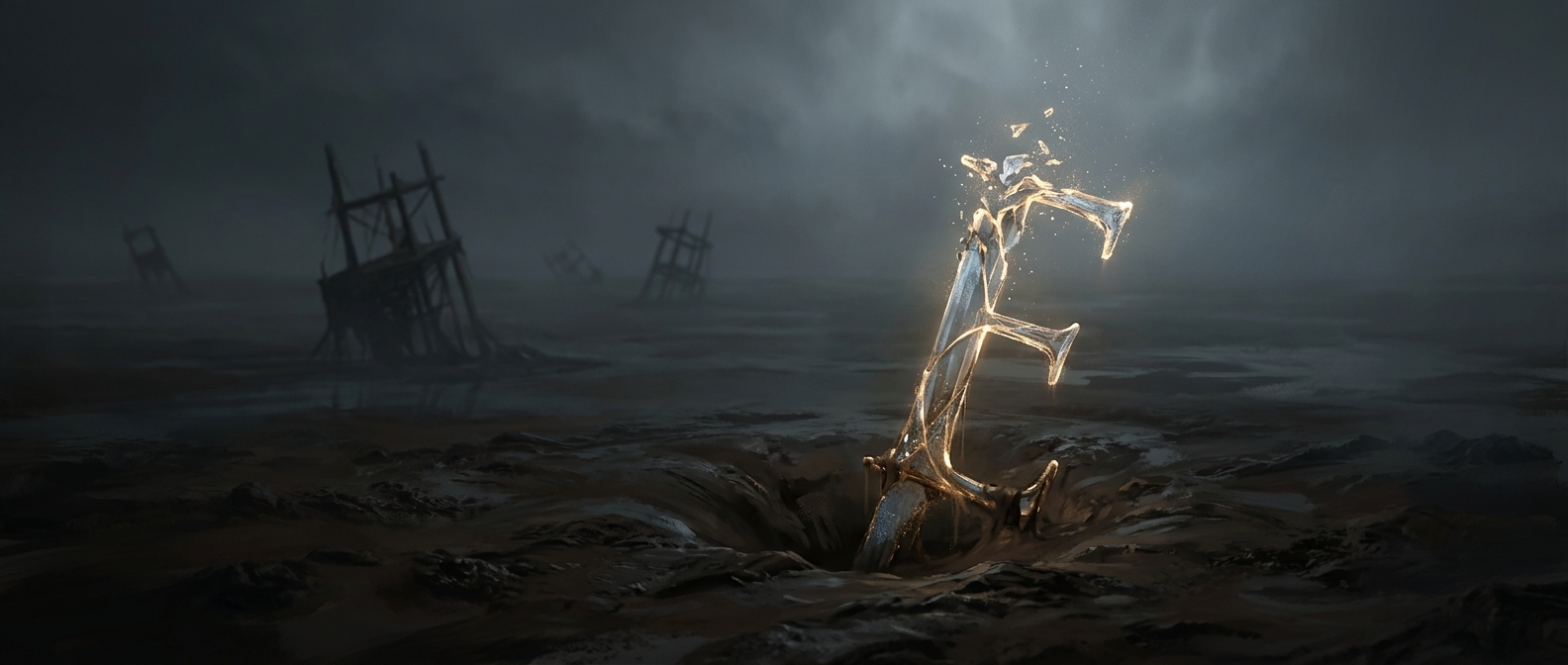
Quicksand rapidly sinks expectations
Quicksand is waterlogged, unstable ground, not a bottomless pit. Its mixture can support you partly, but struggling hard stirs the sediment and makes it…
Discover more
Scientists name tiny flies after celebrities—and rivals
A scientific name can honor someone—or preserve a grudge. Its second part gives taxonomists room to Latinize a celebrity’s name or make a pointed tribute to a…
Discover more
Schrödinger's cat was a challenge, not a pet theory
The imagined apparatus links a cat's fate to a radioactive atom. Applying quantum superposition to the whole setup produces the famous alive-and-dead…
Discover more
Infinite monkey theorem mathematically entirely writes pure gold
Give a typist endless attempts, and even a wildly unlikely passage can eventually appear by chance. That is the infinite monkey theorem: each stretch of…
Discover more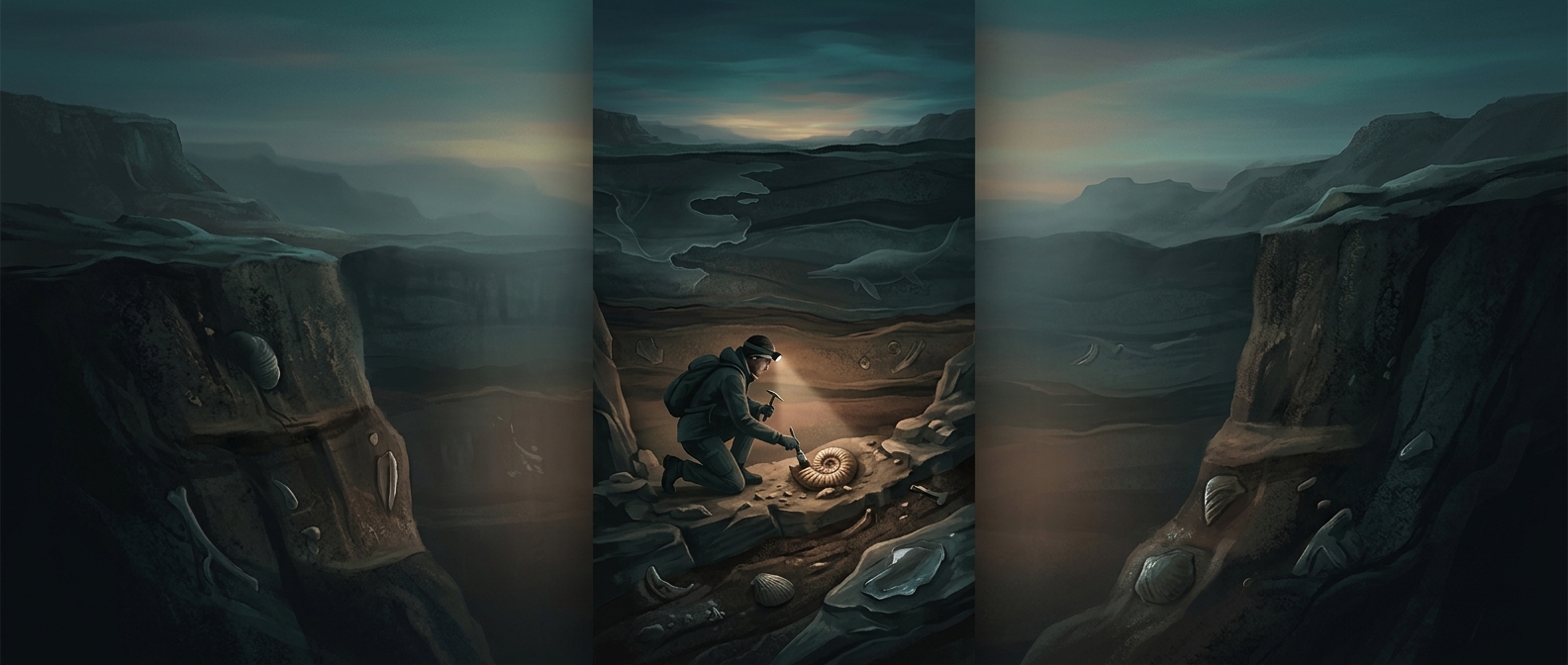
Digging up old rocks to guess ancient geographical events
Even after a river disappears from the surface, its channel can remain buried like a fossilized path. Different sediment layers and grain sizes mark where it…
Discover more
Why you memorize capitals you'll quickly forget
Cramming puts a capital in front of your eyes again and again, but familiarity can fool you into thinking you’ll remember it later. Close the notes and try to…
Discover more
Massive ice chunks melting incredibly fast everywhere
Ice doesn’t need to break into little pieces before it can make a vast pool: warmth transfers energy into the surface and melts it in place. Across a massive…
Discover more
Some fungi hunt worms with tiny traps
A worm brushes a fungus’s spring-loaded ring, and the ring swells shut around it in a fraction of a second. The fungus grows into the trapped worm and digests…
Discover more
An experiment found flowers sweetening nectar after pollinator sounds
Evening primrose flowers exposed to appropriate low-frequency sounds increased nectar sugar concentration within minutes. Their petals vibrated, suggesting a…
Discover more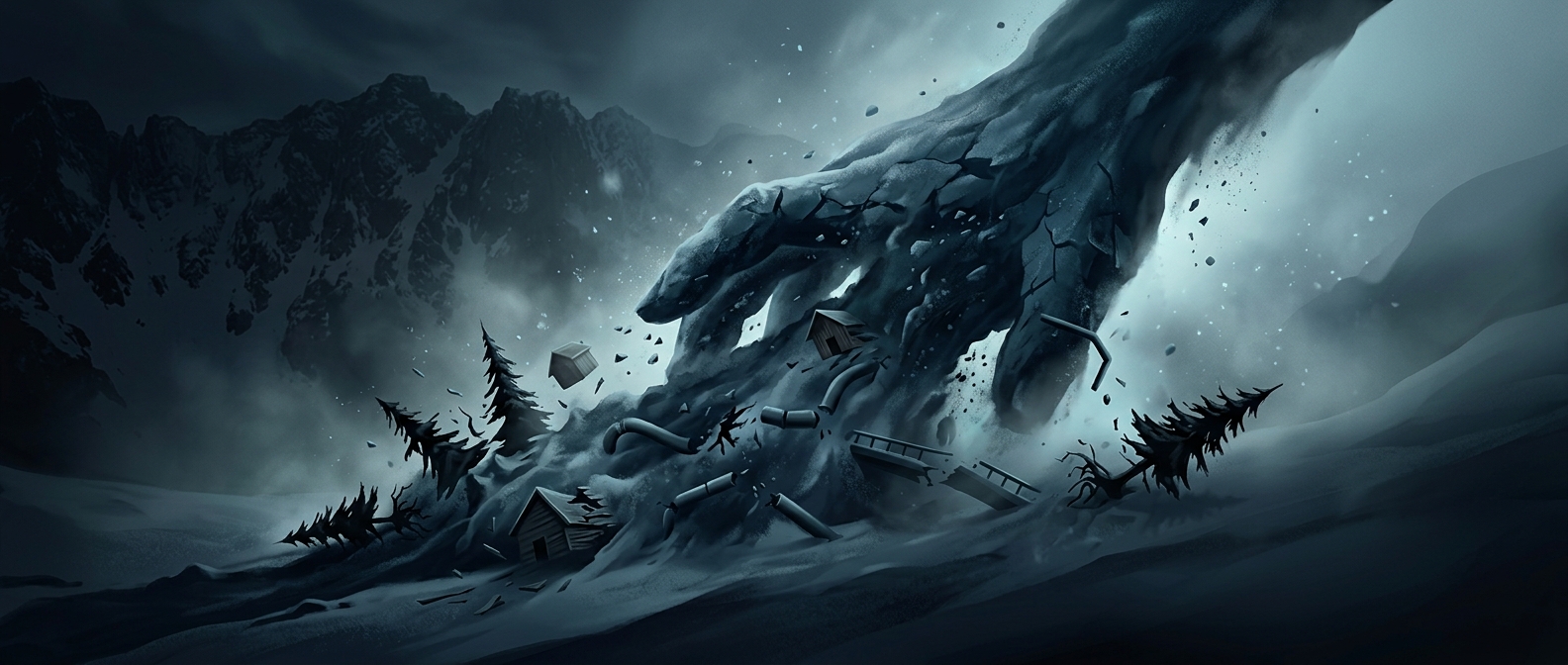
Avalanches destroy everything in their direct path
An avalanche can grow as it rushes downhill, sweeping up more snow, air, and debris. The expanding mass can smash trees or bury people, and the snow that…
Discover more
Intense paranoia of academic self copying
Reusing your own words can still be a problem if you present old writing as new. The issue is the claim of originality, not whether somebody else wrote the…
Discover more