The weather writes a snowflake’s shape
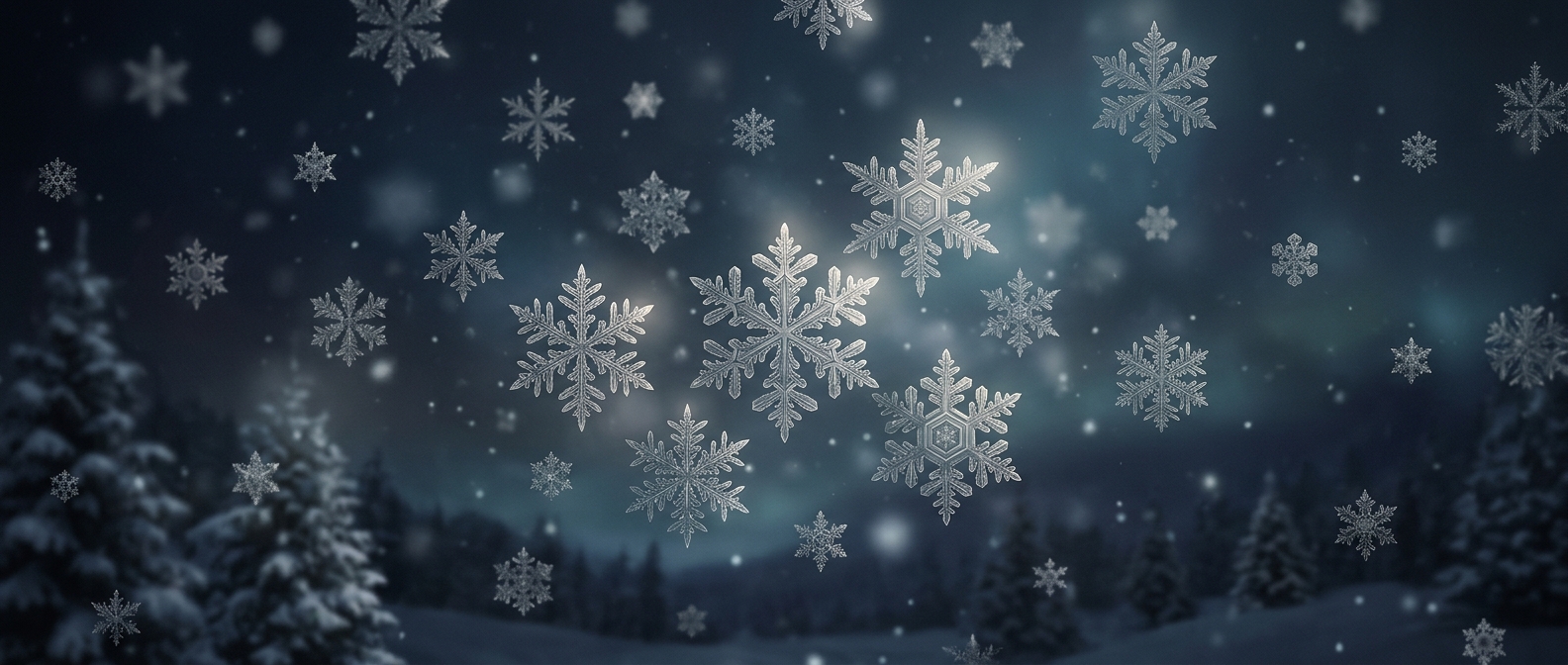
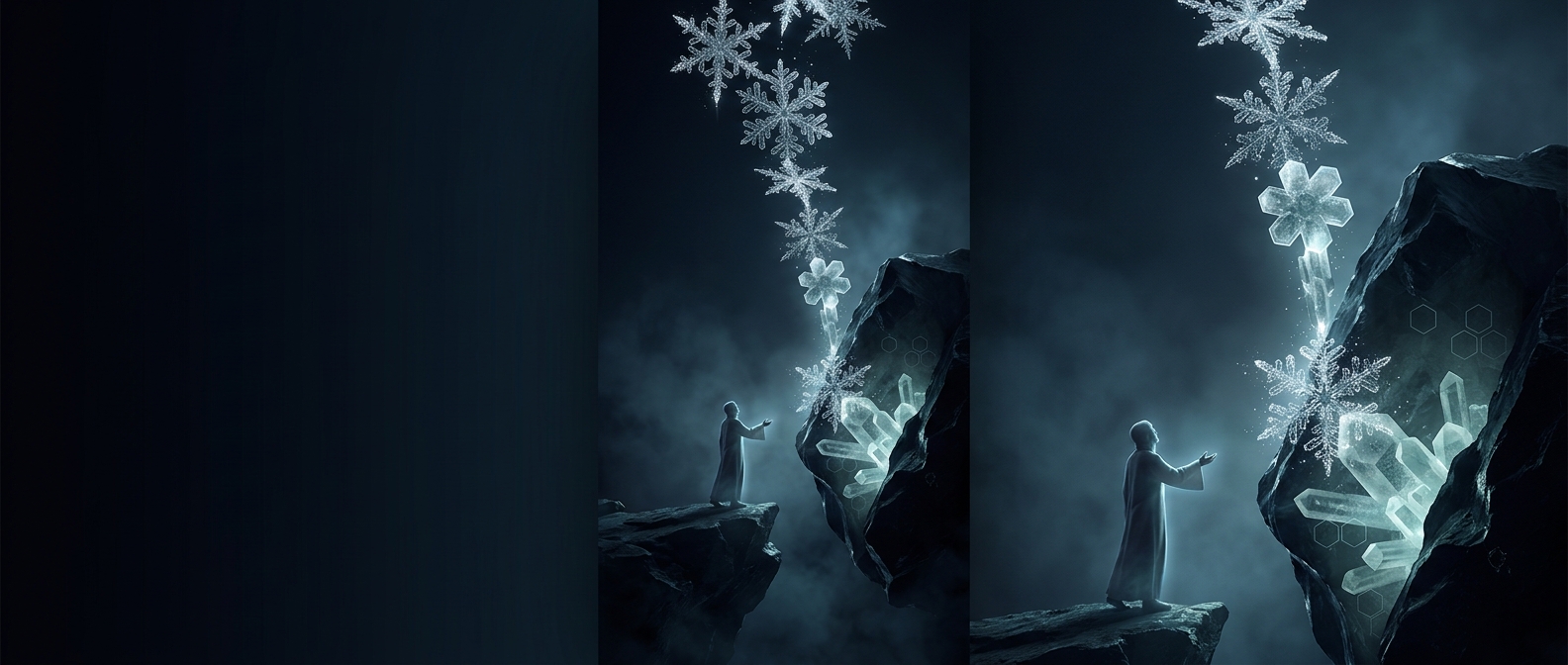
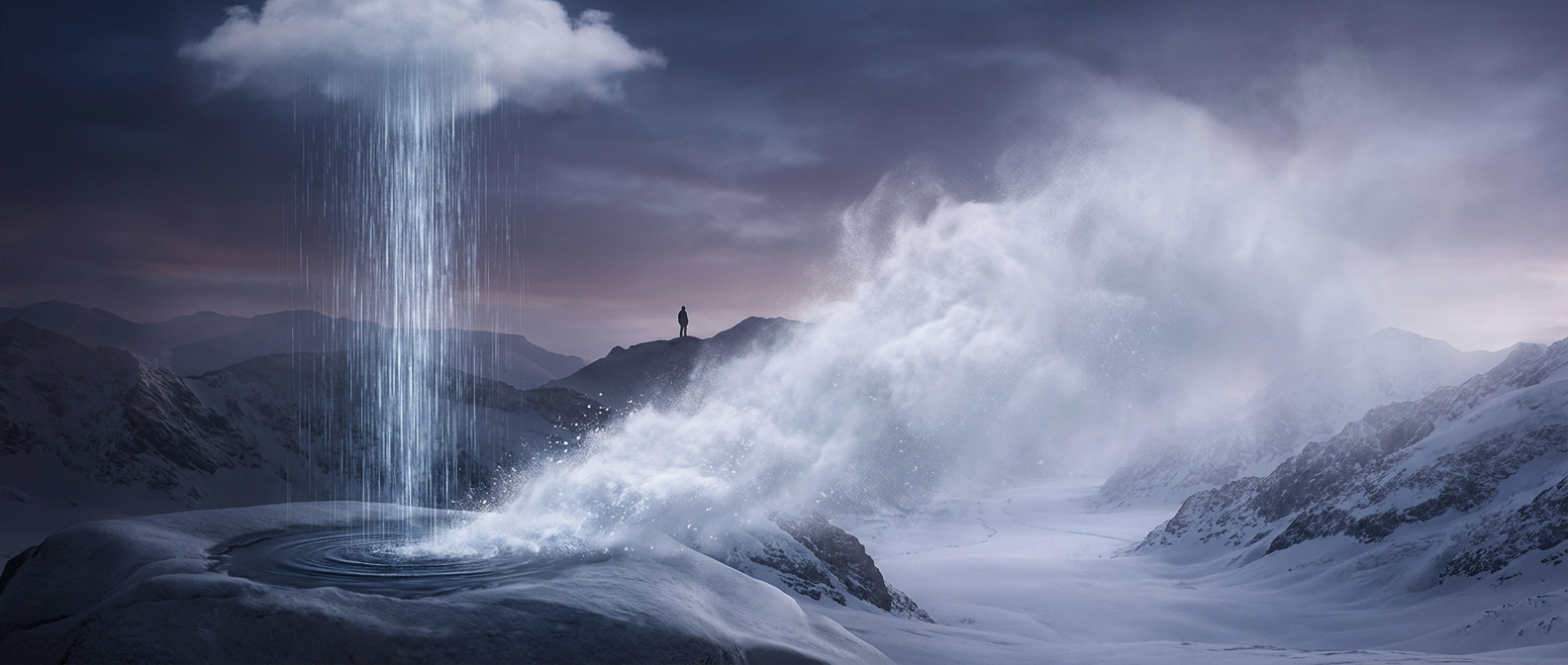
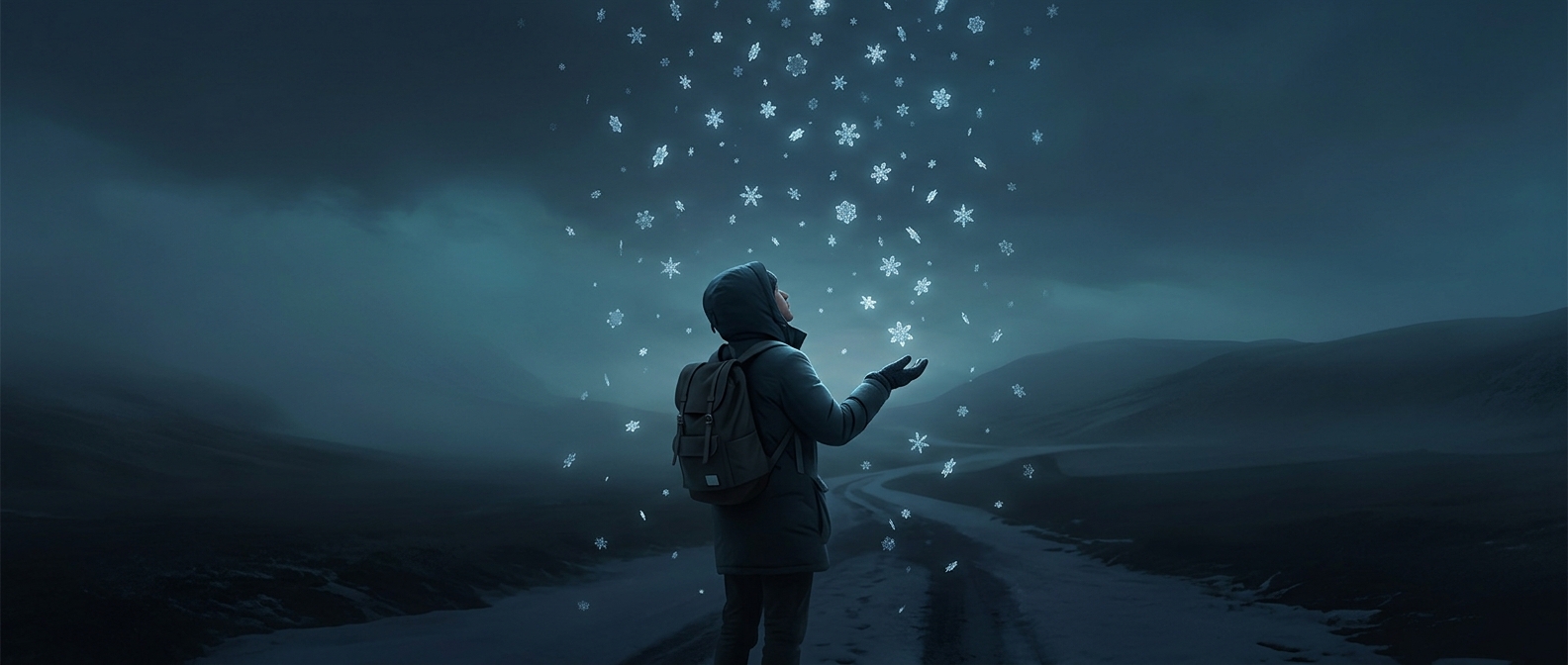
A snow crystal grows as water vapor in cold air attaches directly to ice. Temperature and humidity—the amount of water vapor in the air—affect where and how quickly that vapor joins the crystal. Those conditions help determine whether it develops broad plates, slender columns, or branching arms.
As a crystal grows, small changes in its surroundings can alter its pattern. A shift in temperature or moisture can make one part grow faster than another, changing the branches and details. That sensitivity is why snowflakes formed in nature can take so many different shapes.
Reproducing the same conditions
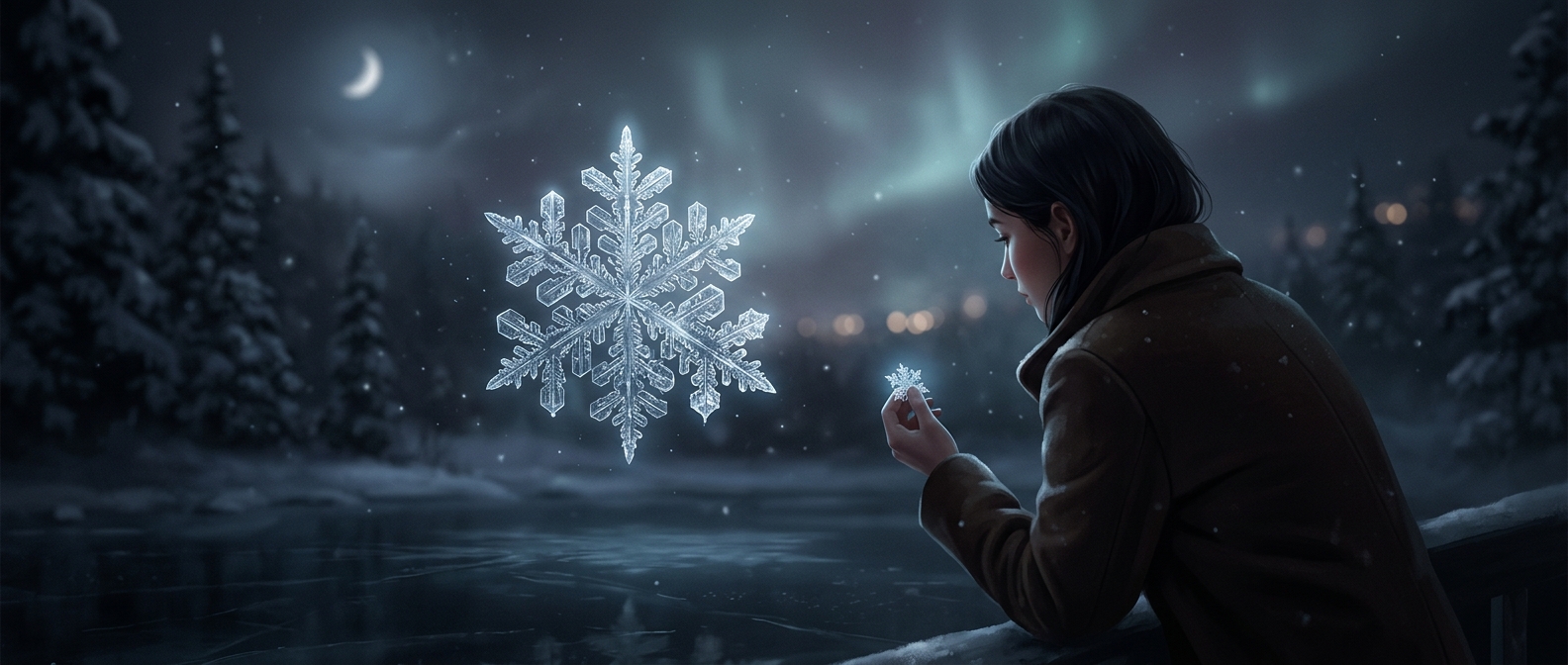
In a laboratory, researchers can control the environment around growing crystals. When separate crystals experience closely matched temperature and humidity, the same growth tendencies can guide them toward remarkably similar forms. Their branches and overall outlines can look like copies because the conditions shaping them were alike.
The resemblance is a match in visible structure, not a guarantee that every microscopic feature is the same. Tiny differences in growth remain, including differences at the scale of individual atoms. Scientists can reproduce a snowflake’s appearance remarkably closely, but not make two crystals identical in every detail.