How Melting Snow Can Turn Slick
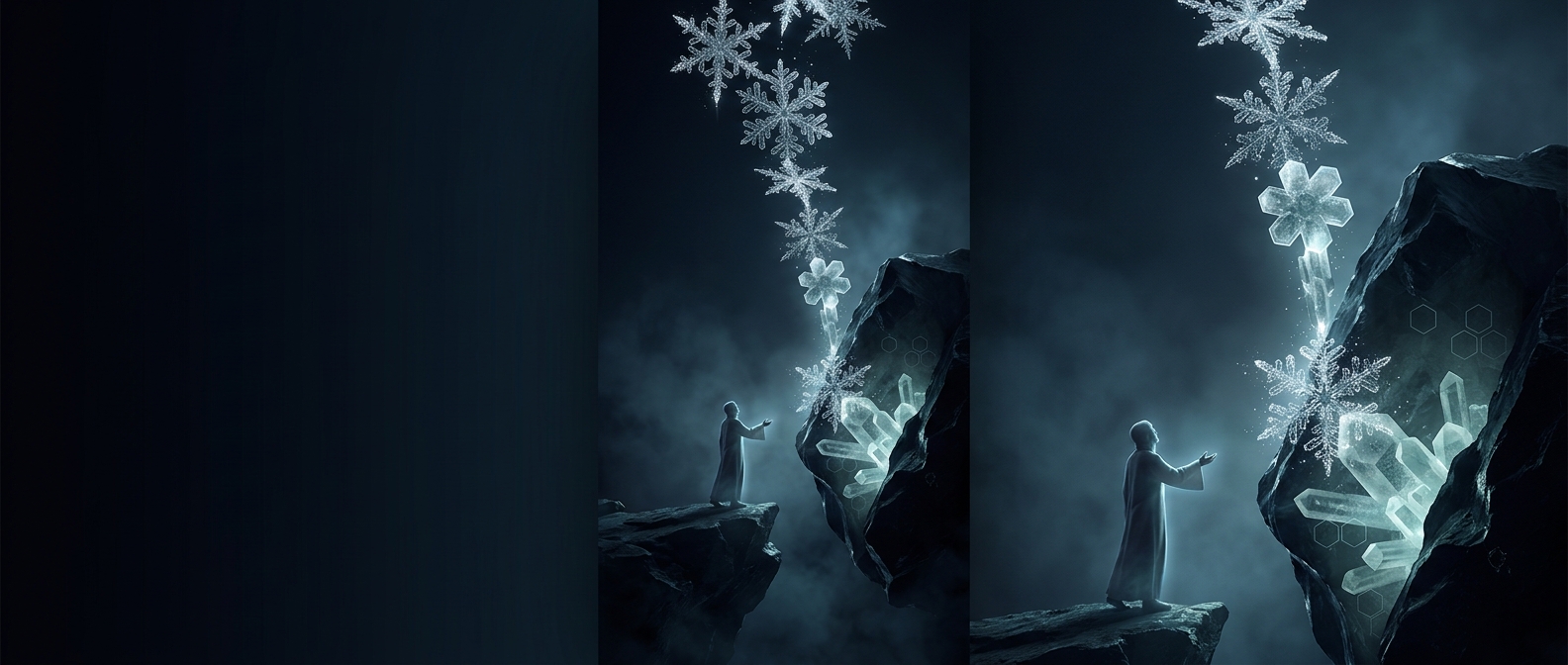
Snow is a pile of ice crystals with air spaces between them. As it warms, some ice melts and water moves through those spaces. If the surface then cools below freezing, that water solidifies, joining crystals into a smoother, more connected layer of ice.
The change can be deceptive: the ground may look wet or merely slushy, while a thin frozen film has formed on top. Unlike loose snow, which can deform under a shoe and offer some resistance, smooth ice gives a sole or tire far less texture to catch against.
Why the Refrozen Layer Is Hard to See
Fresh snow scatters light among its many crystals and trapped air pockets, so it appears bright and opaque. When melting reduces those air gaps, refrozen water can form a clearer layer that reveals the darker pavement beneath it. That contrast can make the ice look like wet ground rather than a solid surface.
The risk depends on more than appearance. A slight slope, a shaded patch that stays cold, or a smooth driveway can make a thin layer especially treacherous. A person may encounter it at the edge of a patch of slush, where the surface changes from yielding snow to hard ice in just a step.
The Surface Can Change Faster Than It Looks
Temperature swings are the key: melting supplies water, and a return to freezing binds it into ice. A driveway that was merely messy earlier can therefore become more slippery without accumulating any new snow. Treating shiny or wet-looking spots cautiously after a thaw-and-freeze cycle is useful precisely because the most dangerous ice may be difficult to distinguish from ordinary pavement.