Science
Discover facts about science. Small discoveries that change the way you see familiar things.
Science
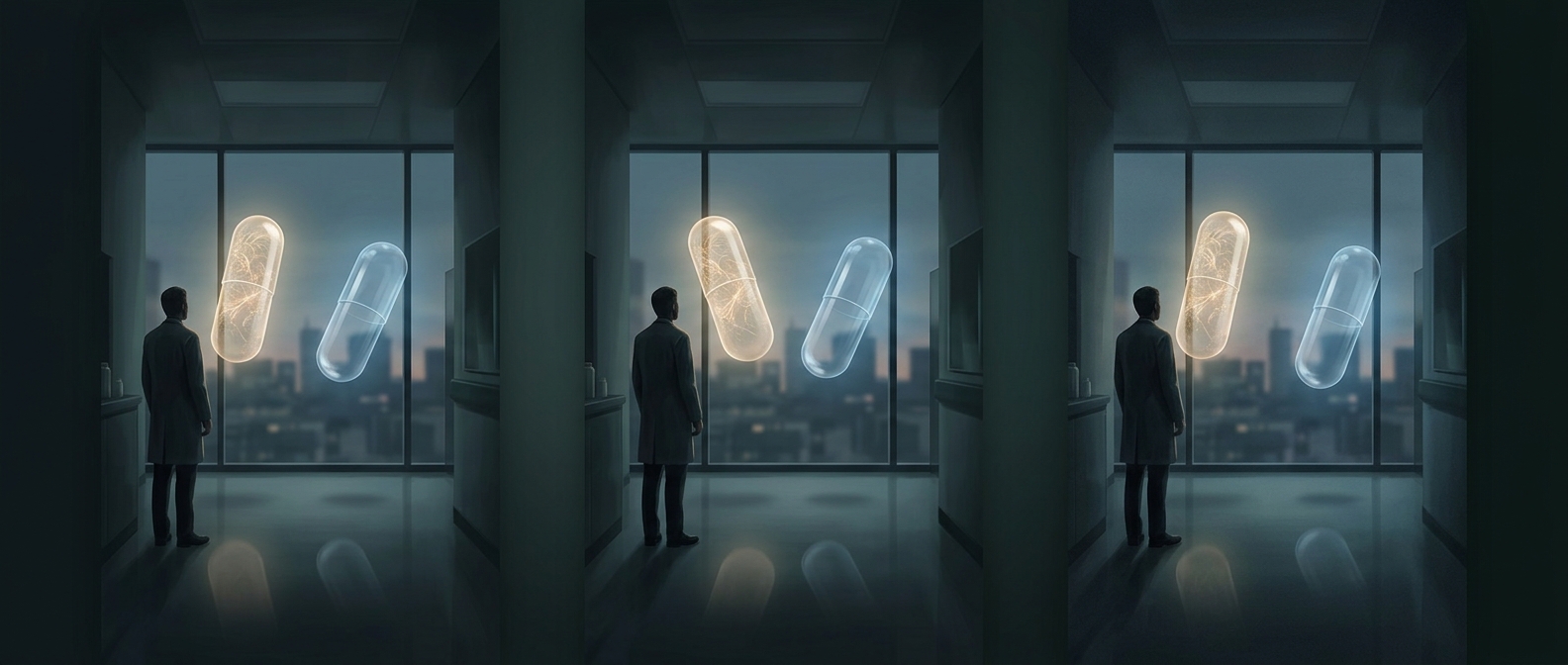
Giving people fake treatments for testing
Symptoms are noisy: they can ease naturally, flare, then ease again. A placebo group helps researchers see that background change, so improvement in the…
Discover more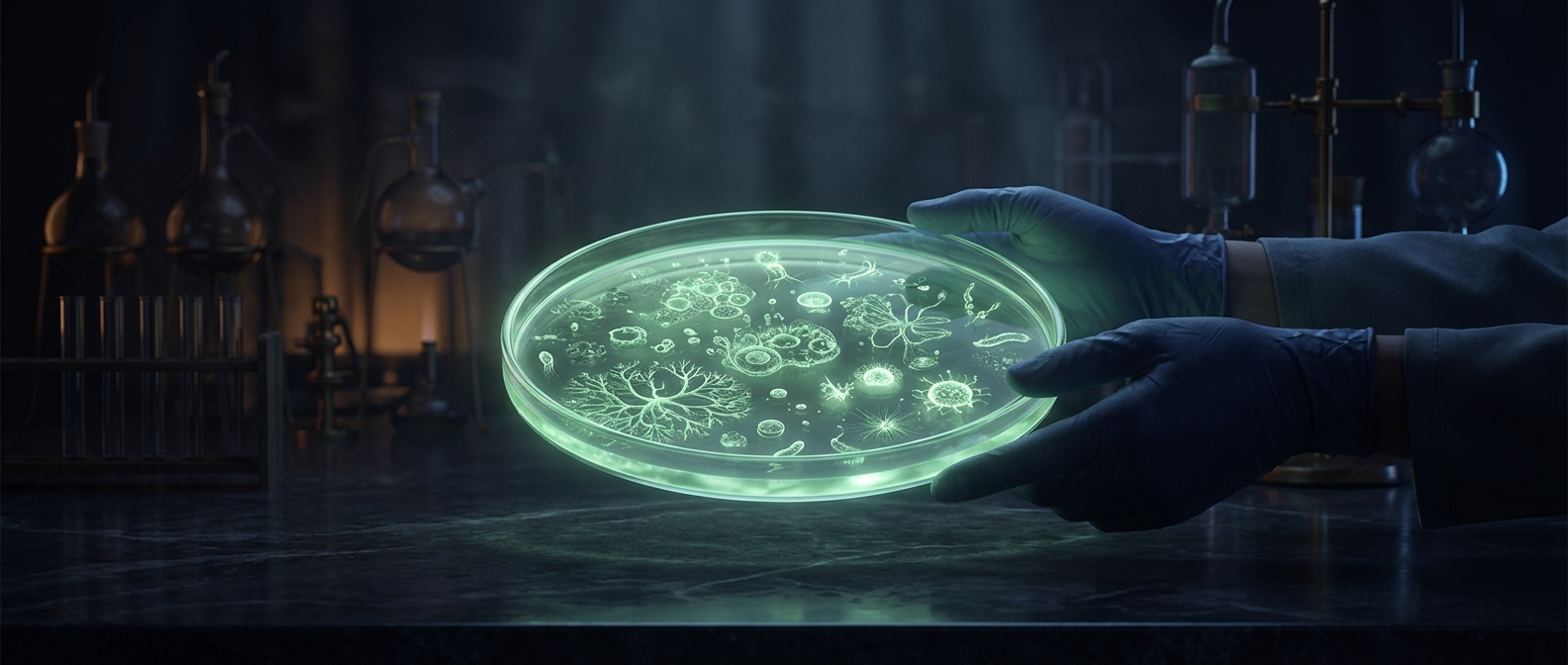
The shallow dish that transformed microbiology
A Petri dish gives microbes a broad, flat floor where separate colonies can grow into visible dots. Its lid helps keep stray organisms from landing, and the…
Discover more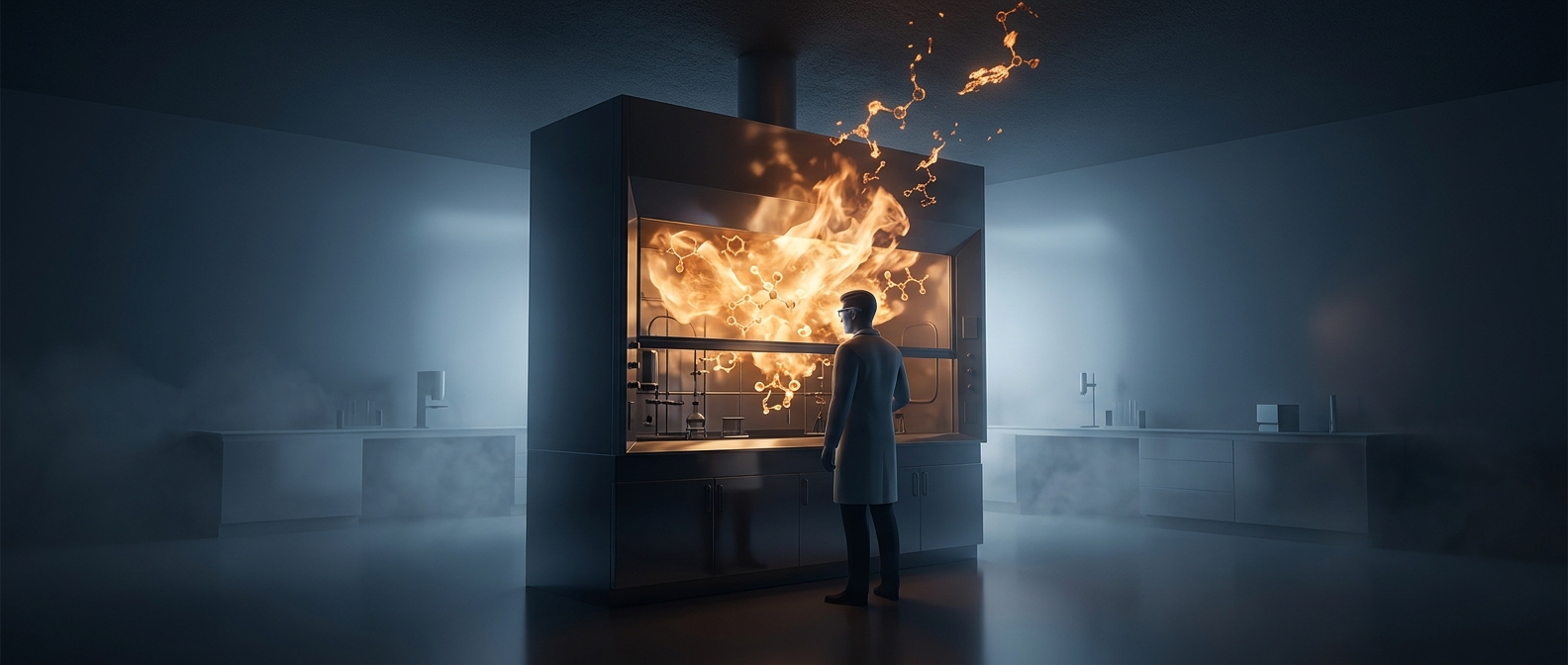
Surprisingly flammable reality of labs
Flammable solvents can release vapors that catch fire and burn rapidly, producing a flash fire. Safety glasses protect your eyes, but they can’t stop vapors…
Discover more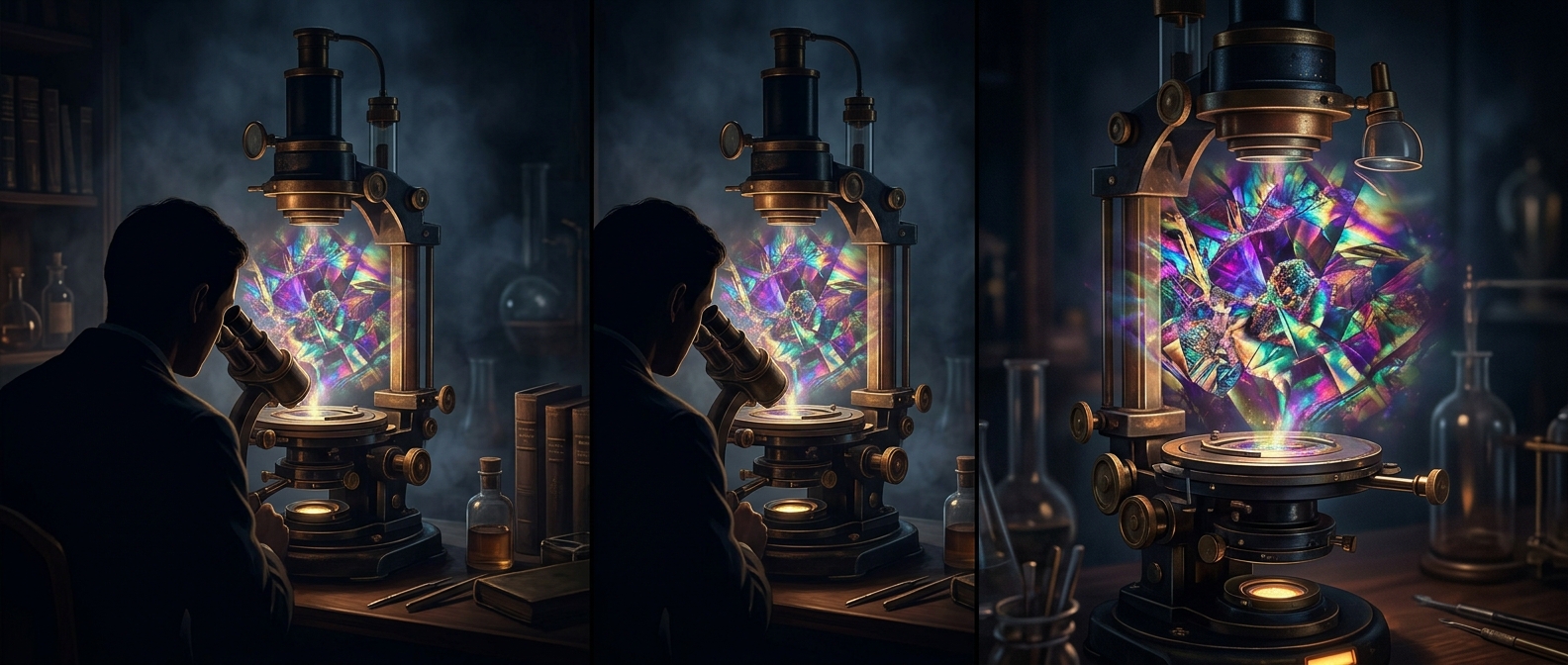
Why rare minerals look strange under polarized light
A polarized-light microscope sends light through a filter and into a crystal, which makes different light waves travel at different speeds. A second filter…
Discover more
Materials that repair their own scratches
In some polymers, a scratch snaps links between molecules, and those links can form again when the damaged surfaces meet. Heat or light can help, depending on…
Discover more
Why scientists modeled the chaos of dripping paint
A falling drop doesn’t simply splat: gravity pulls it outward, surface tension gathers it back together, and viscosity acts like a brake. Scientists model…
Discover more STACKY FOR IPHONE
A bigger world.
One discovery
at a time.
Keep discovering with Stacky. Interesting facts in an app that is always within reach.
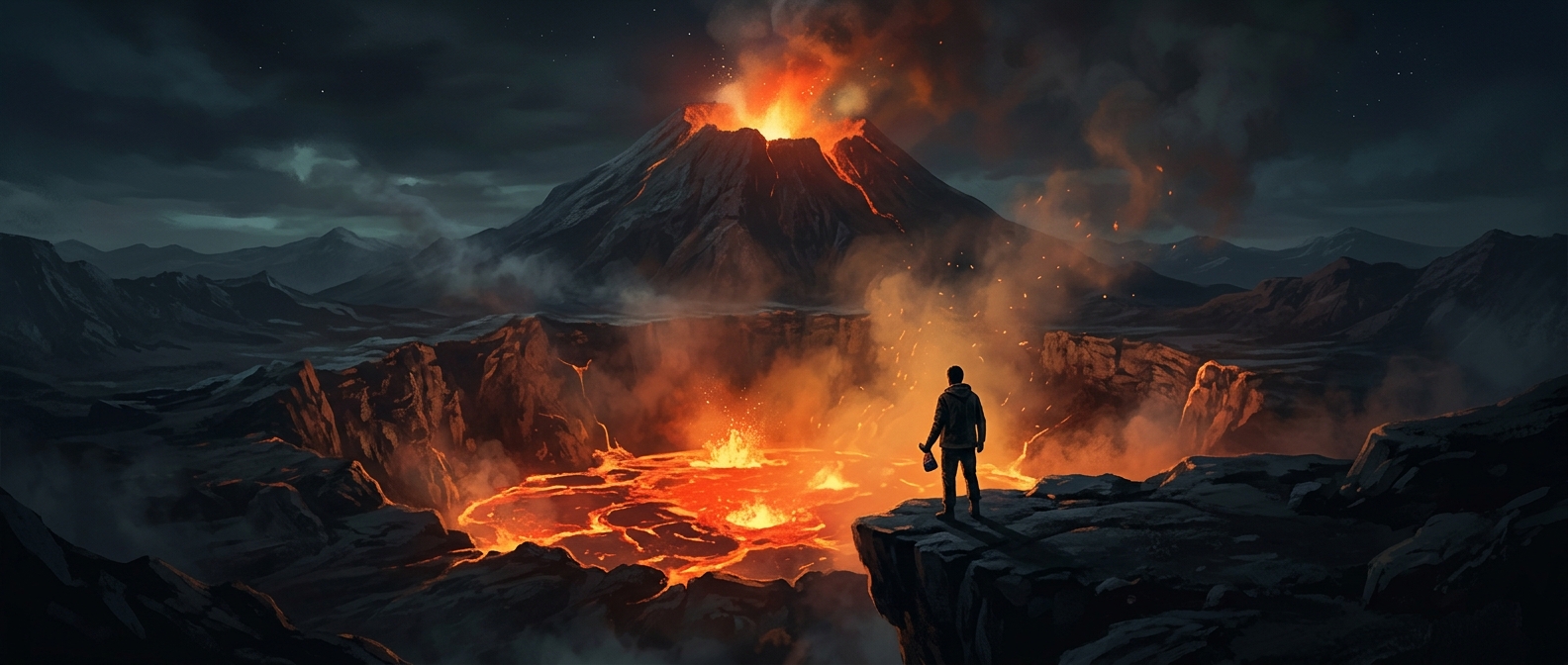
Lava can hold a crust over a dangerously active interior
The surface cools into solid rock while molten material keeps moving underneath. Gas can rupture that skin, and water reaching hot lava can expand violently…
Discover more
Ten meters of ocean adds another atmosphere of pressure
Water above you presses from every direction, so descending roughly 10 meters adds about as much pressure as the entire atmosphere at the surface. Near the…
Discover more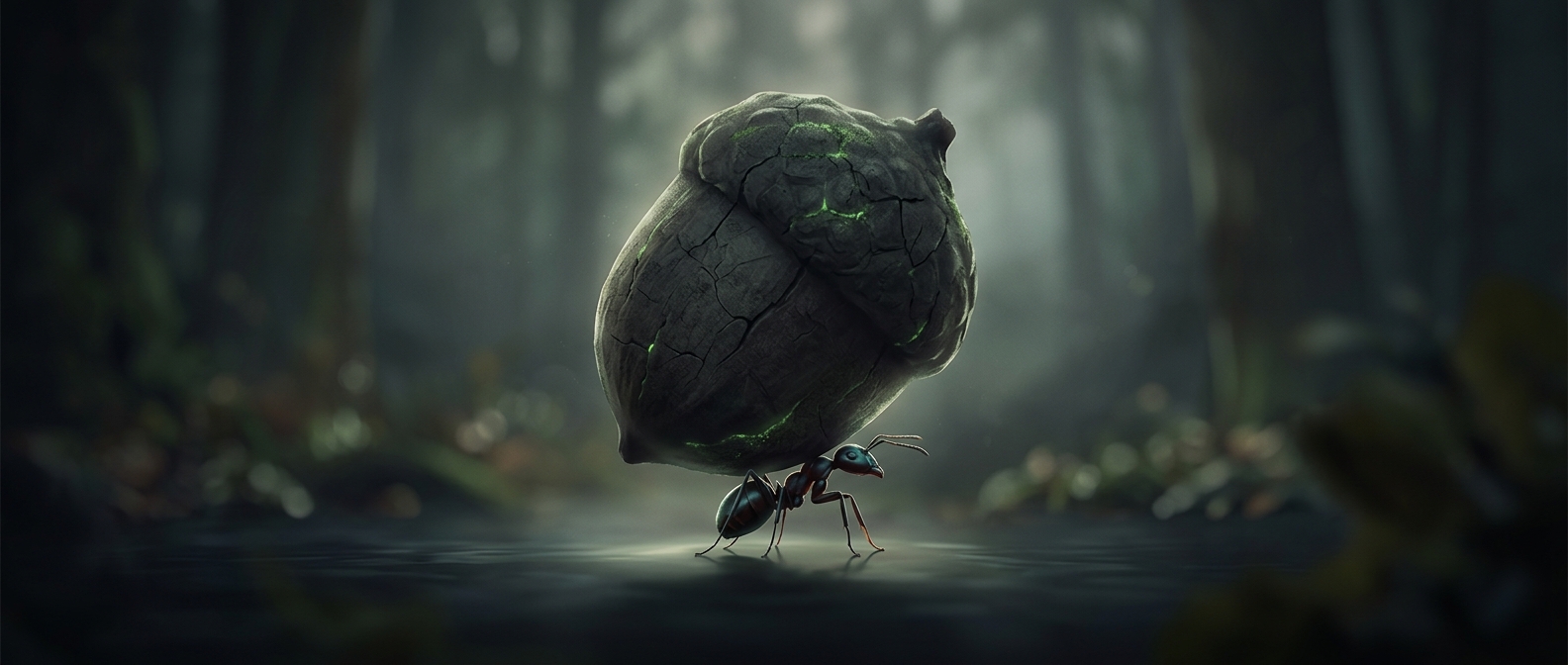
How ants carry objects many times their size
An ant can haul a huge load for its size because muscle strength scales with muscle area, while body weight grows with volume. As an animal gets bigger,…
Discover more
Why lightning sounds like the sky is exploding
Lightning heats a narrow path of air so quickly that the air expands and shoves the surrounding air outward. That moving pressure wave reaches your ears as…
Discover more
How a whisper can cross a giant room
A curved wall can keep a whisper moving by reflecting it along the surface again and again. Each bounce lets the sound travel around a gallery while losing…
Discover more
Spider silk's trick is absorbing a blow without being heavy
Strength measures the stress a fiber survives; toughness measures the energy absorbed before it breaks. Many spider silks combine strength with stretch,…
Discover more
Why tornadoes sometimes spare one house
A tornado doesn’t deliver the same force to every point along its path. Small changes in the storm, the debris it throws, and how each house is built can…
Discover more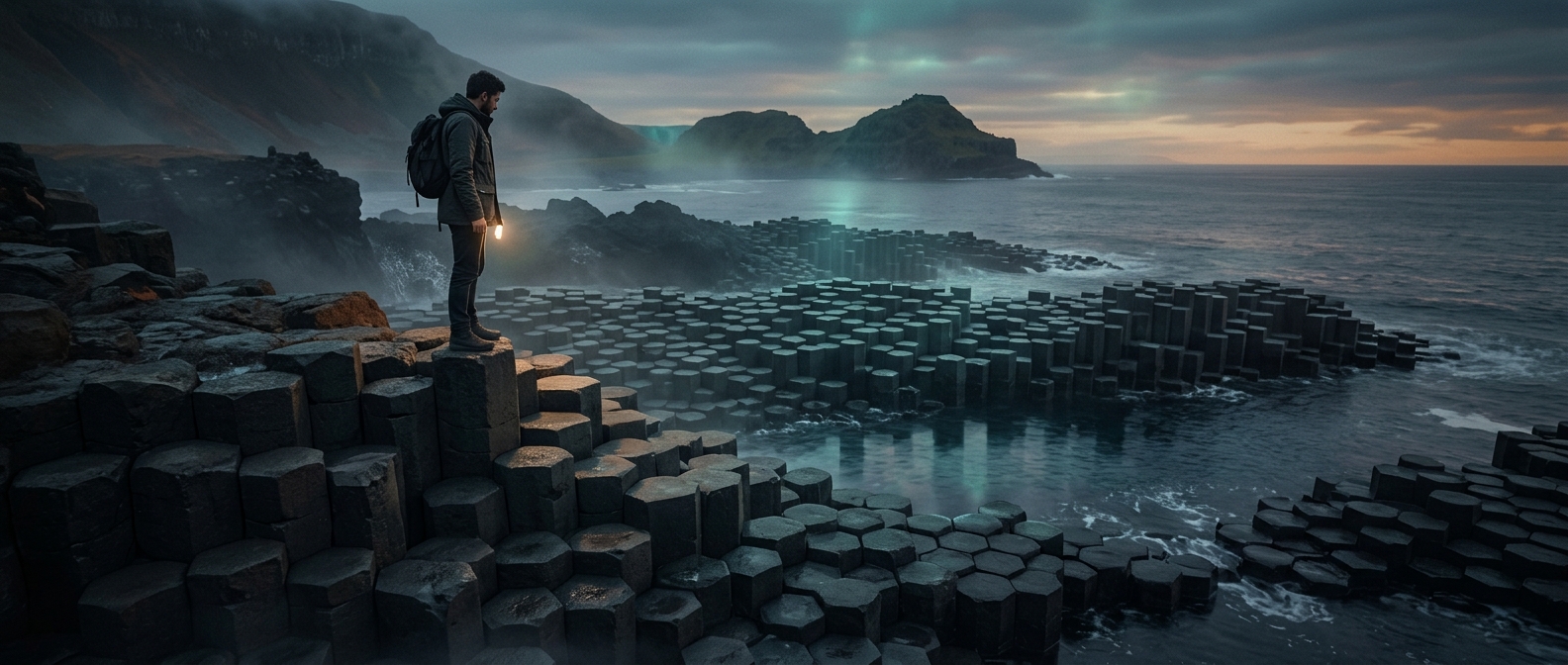
Why basalt columns look man-made
The columns begin as hot lava contracting as it cools. Stress opens cracks, which commonly join in six-sided patterns and keep working down through the rock.…
Discover more
Why your brain can't picture a fourth dimension
We can draw a four-dimensional shape by projecting it into three dimensions, much as a 3D object casts a 2D shadow. The projection squashes the extra…
Discover more
How statistics can make nonsense look proven
A chart may show ice cream sales rising alongside beach visits, but that doesn’t mean buying a cone sends people to the shore. Warm weather can increase both,…
Discover more
The game-show switch that doubles your odds
In the Monty Hall problem, you pick one of three doors: one hides a car, two hide goats. A host who knows the answer always opens an unchosen goat door and…
Discover more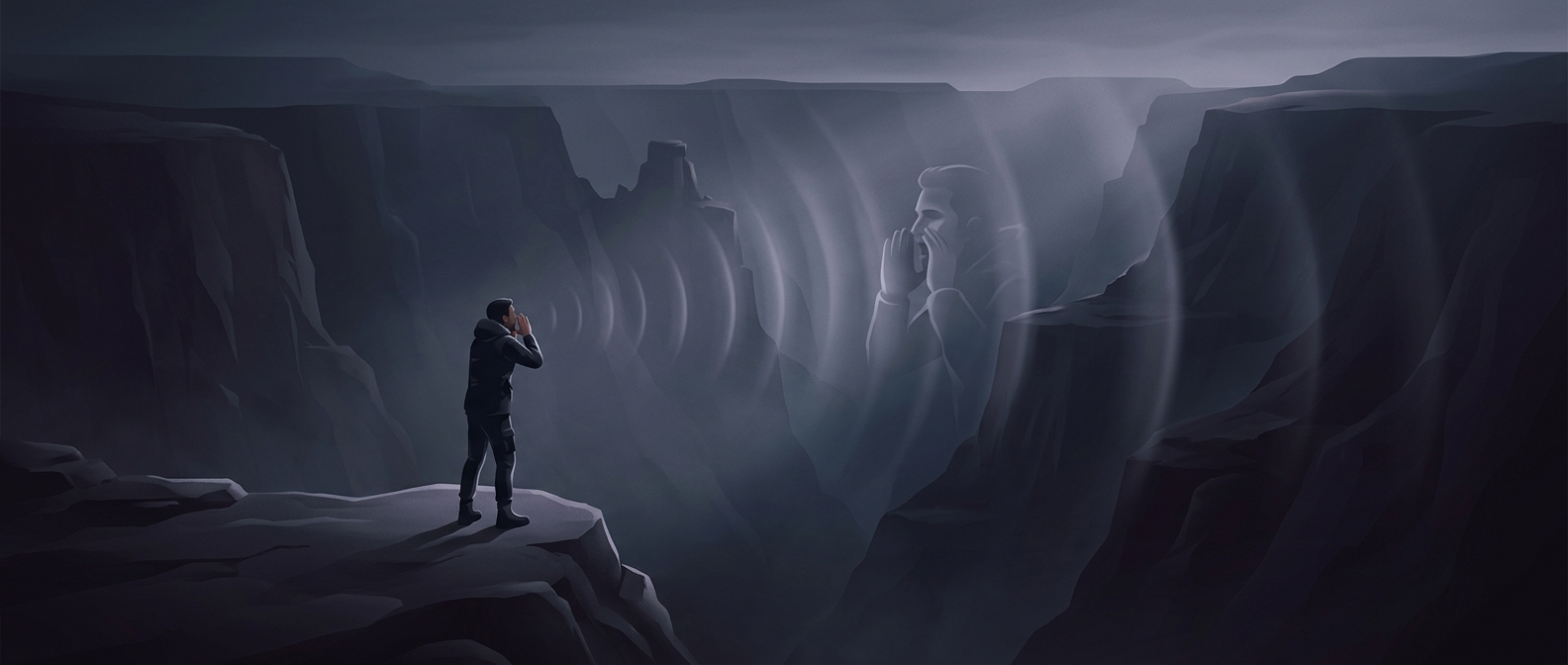
Shouting loudly into a tremendously large canyon just to hear your own voice mockingly shout back
A nearby wall sends your voice back almost at once, so the sound smears into reverberation. Across a canyon, the reflected sound has farther to travel and…
Discover more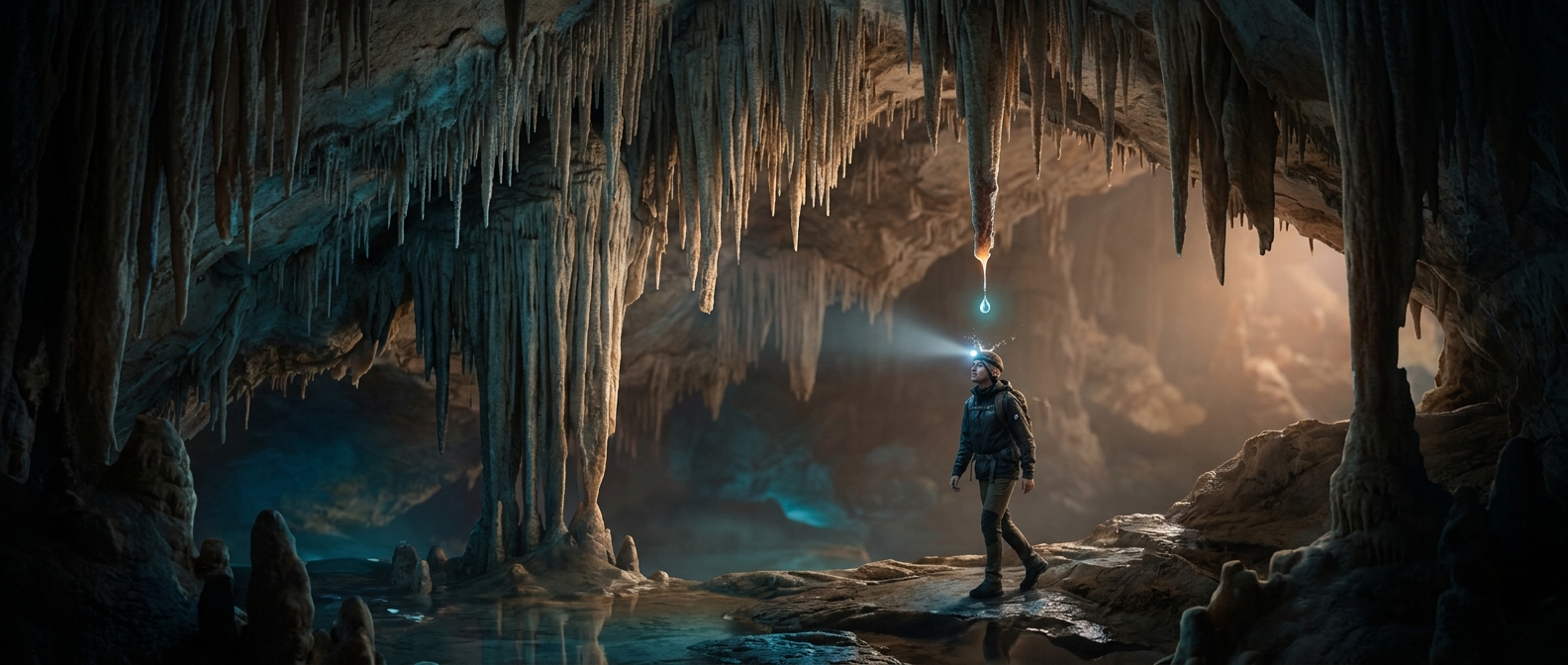
Why cave formations drip water on your neck
Water seeps through limestone and gathers on the cave ceiling, where a drop can fall right onto a visitor. As it loses carbon dioxide, it leaves tiny calcite…
Discover more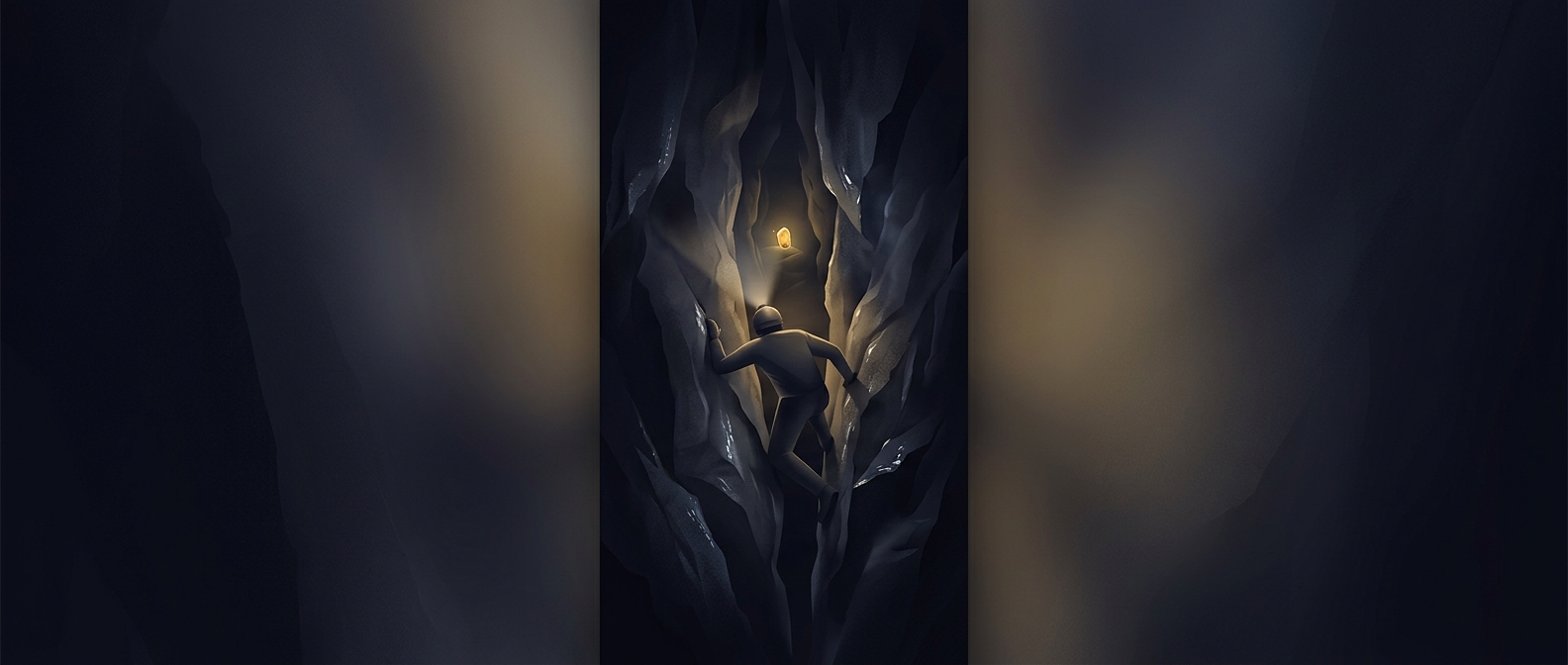
Why people crawl through caves to find blind insects
In a cave with no sunlight, eyes may be less useful than feelers, smell, or other senses. Researchers crawl in to find the insects and see how they locate…
Discover more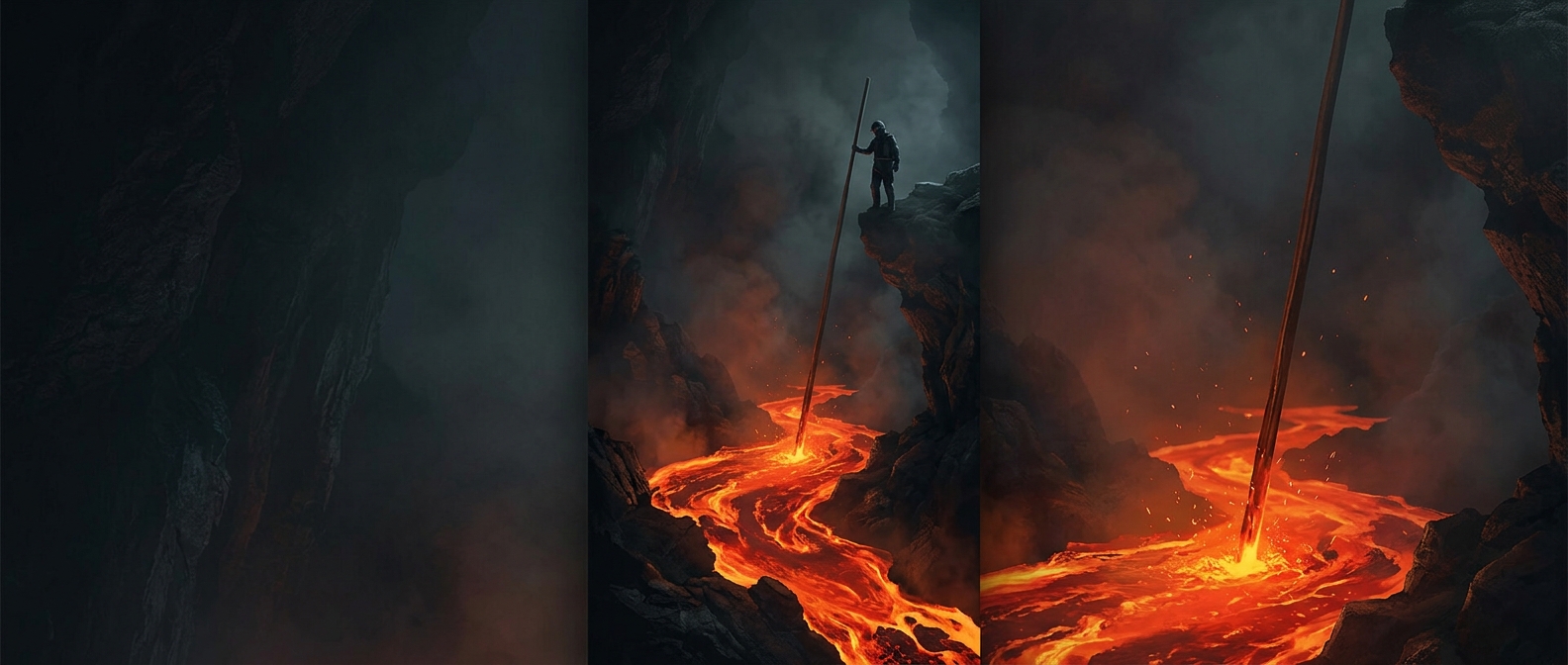
Why scientists dip instruments into molten lava
Lava keeps changing as it cools, so a sample collected later may not capture what was happening at the vent. Researchers place instruments nearby to record…
Discover more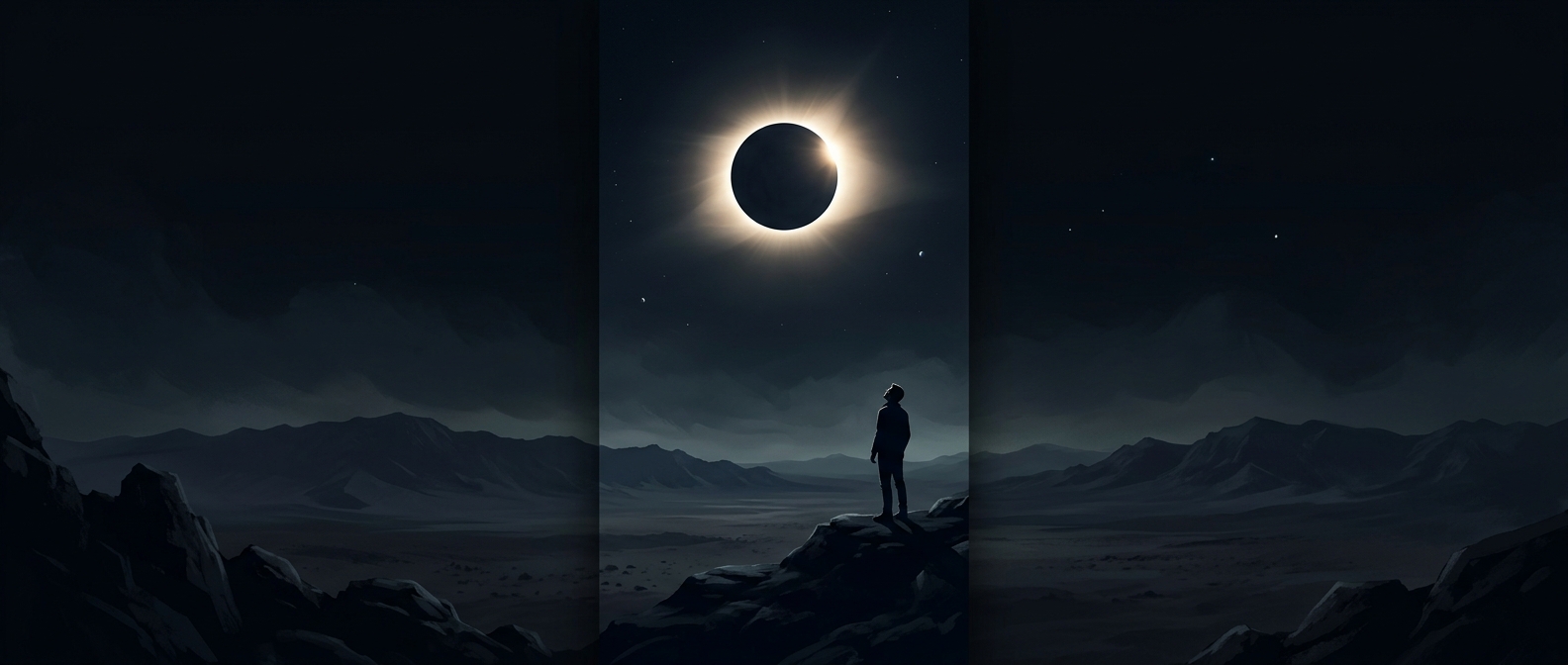
Why a total eclipse turns daytime into twilight
When the Moon blocks the Sun, daylight suddenly dims and some birds respond as if evening has arrived. The ground and air also lose their source of heating…
Discover more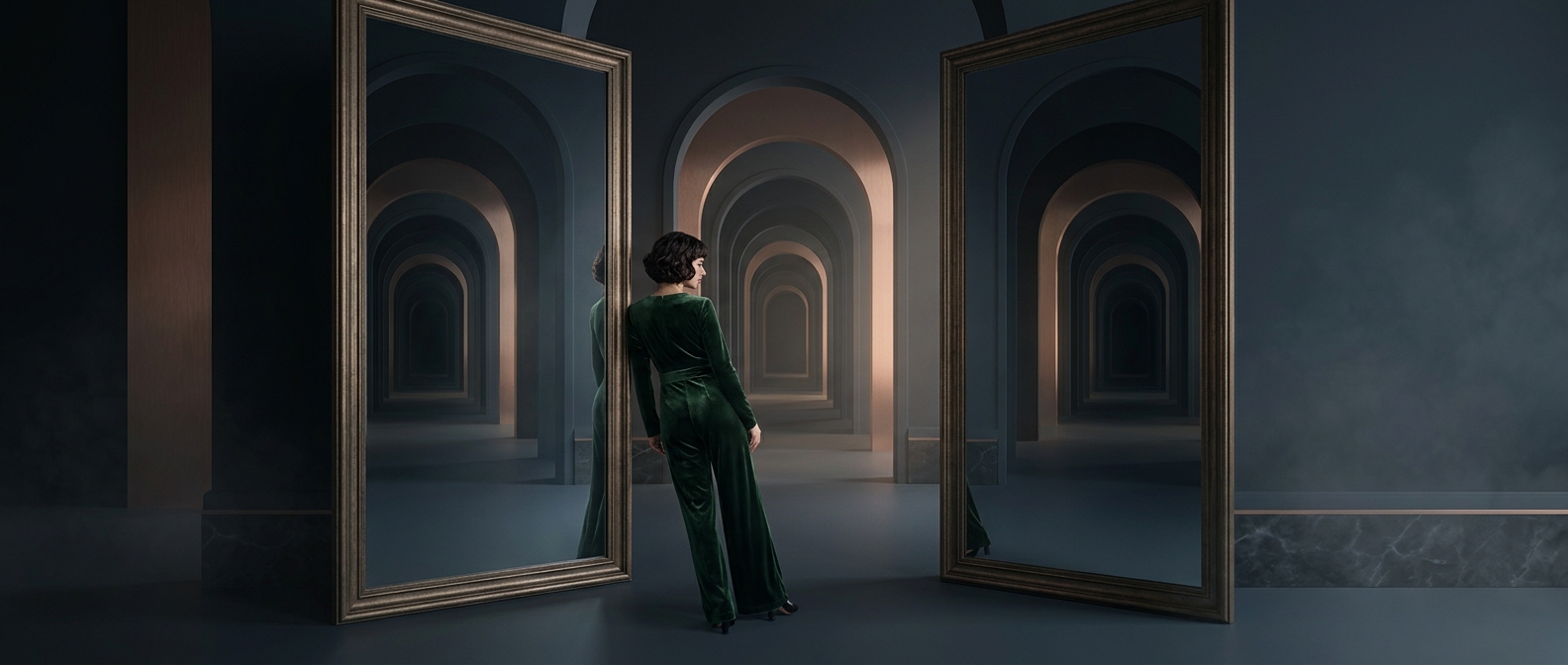
Why two mirrors create an endless tunnel
Each mirror sends most of the light back, but a little gets absorbed or escapes on every trip. The next reflection is dimmer than the last, until your eyes…
Discover more
Why soap bubbles form perfect spheres
A soap film pulls itself tight, and a sphere encloses a given amount of air using less film than other shapes. With no surface nearby forcing a different…
Discover more