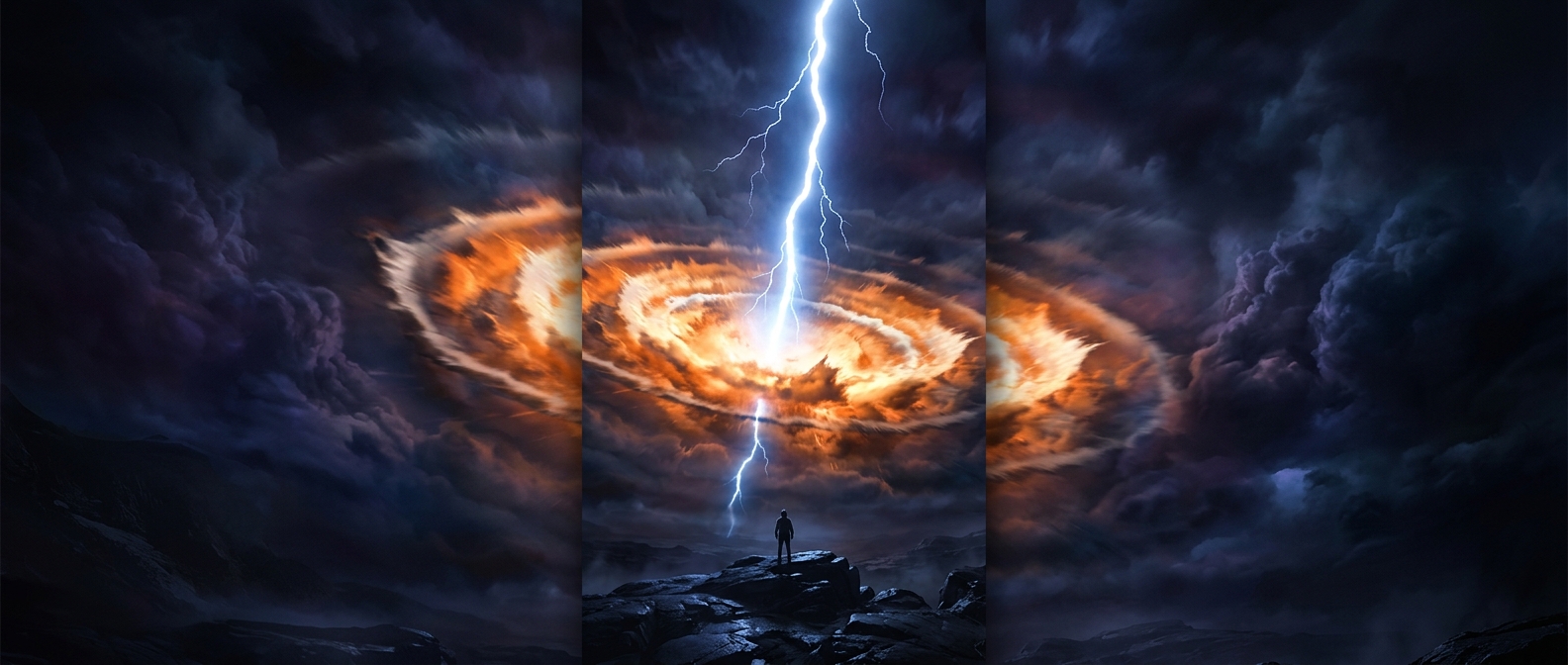
A lightning bolt makes a pressure wave
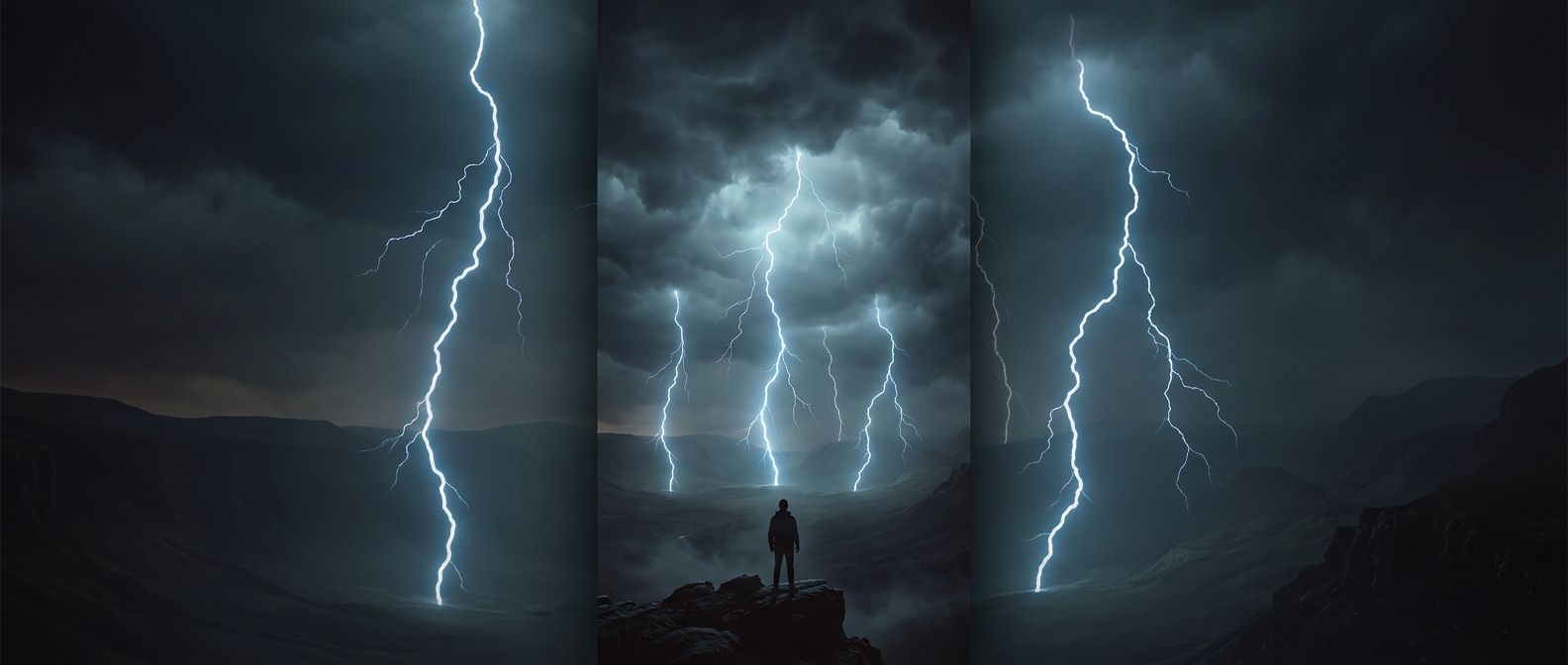
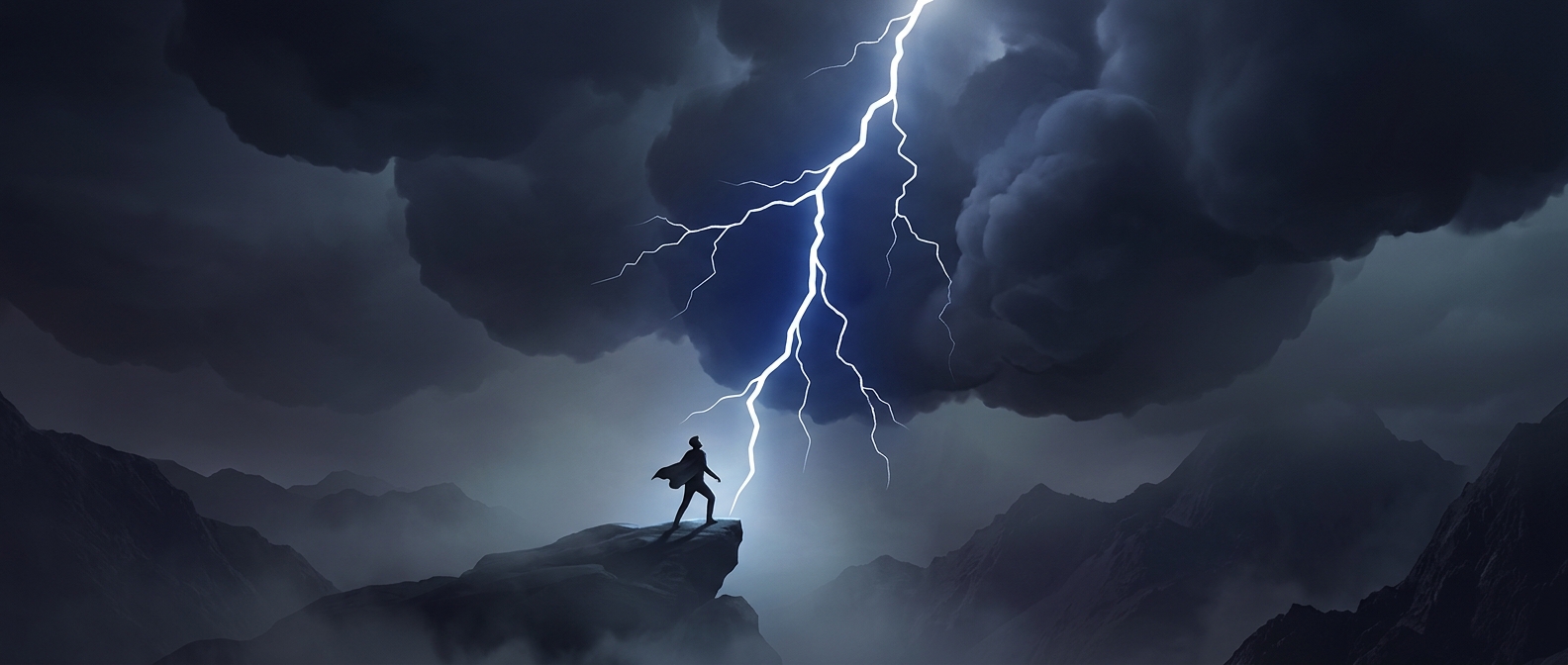
A lightning channel is not simply a bright line in the sky. The electrical discharge heats the air along its path to an extremely high temperature in a fraction of a second. That sudden heating makes the air expand rapidly, compressing the cooler air around it and launching a pressure wave—the same basic kind of disturbance that carries sound.
Close to the channel, the pressure change is abrupt enough to reach the ear as a sharp crack. The explosive quality comes from the speed of the expansion, not from the bolt striking something like a bomb.
Why thunder rolls instead of arriving all at once
A lightning channel can stretch for miles and branch into several paths. Sound from different parts of it travels different distances to reach you, so the pressure waves arrive at slightly different times. The result can be a sequence of cracks or a sustained rumble rather than one neat pop.
Distance softens the sound, too. High-pitched parts of a sound fade more readily as they travel through air, leaving distant thunder with a lower, rolling quality. The terrain and buildings can reflect sound and further shape what you hear.
The flash gives away the distance
Light reaches you far sooner than thunder does, creating a pause between seeing a flash and hearing its sound. That delay is why thunder can seem to follow lightning long after the bolt has vanished: the flash is immediate to the eye, while sound must cross the distance from the strike. A nearby bolt produces a short, forceful crack; a more distant one often spreads into a rumble as its sound arrives from across the extended channel.