How a lightning bolt makes nitrogen reactive
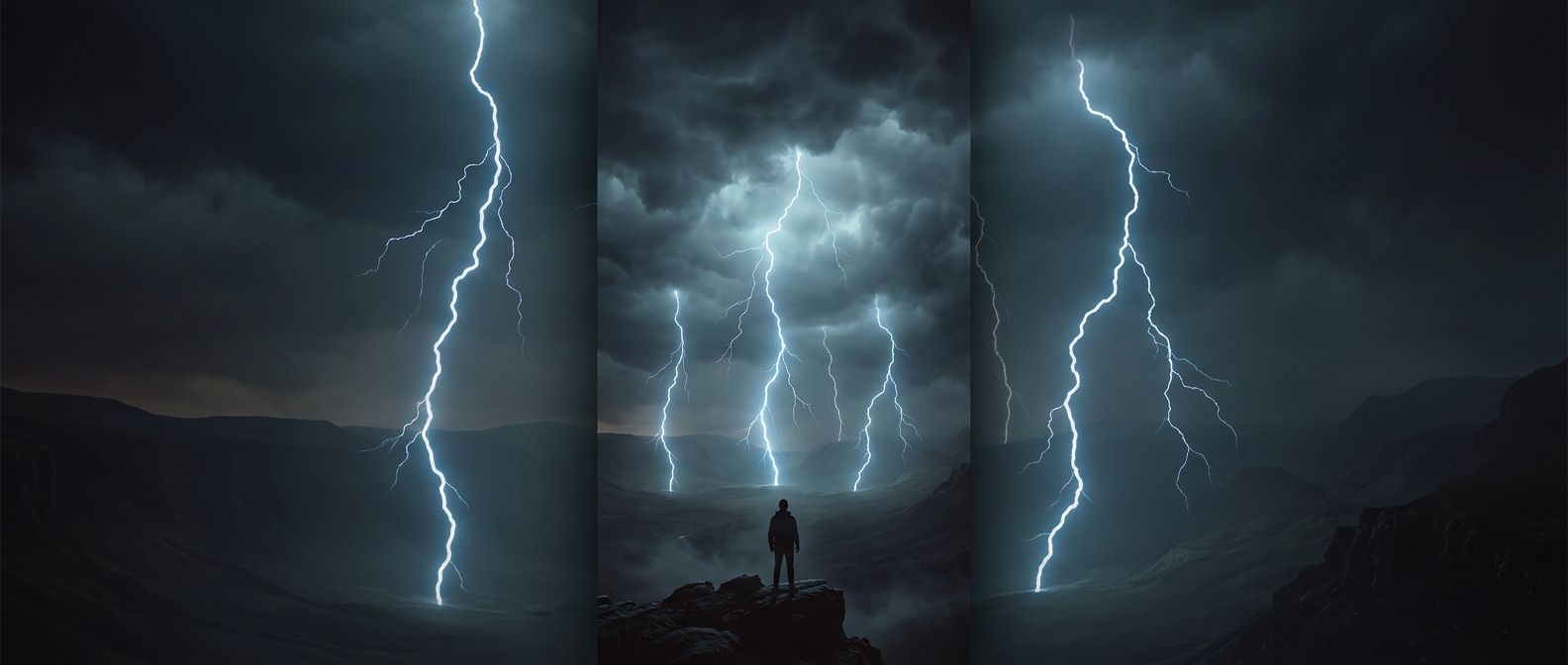
Air is mostly nitrogen gas, but its two nitrogen atoms are held together by a strong bond. Most plants cannot use nitrogen in that form. A lightning channel changes the chemistry locally: its intense heat breaks some nitrogen and oxygen molecules apart, and as the air cools, the atoms recombine into nitrogen oxides, especially nitric oxide and nitrogen dioxide.
From storm gases to soil nitrate
Those gases continue reacting in the atmosphere. Nitrogen dioxide can be converted into nitric acid, which dissolves in cloud droplets; further reactions produce nitrate, a negatively charged form of nitrogen that can dissolve in water. Rain carries some of it to the ground, where roots can absorb nitrate from soil water. Plants then use the nitrogen to build proteins and other essential molecules.
The route is indirect: lightning does not turn nitrogen straight into plant food, and not every nitrogen compound made in a storm reaches a root. Some is carried away, transformed again, or washed into waterways. But each bolt can create a small, usable deposit. A storm’s flash is therefore not just a burst of light and heat—it briefly opens a chemical route from the air’s nitrogen to the living world below.