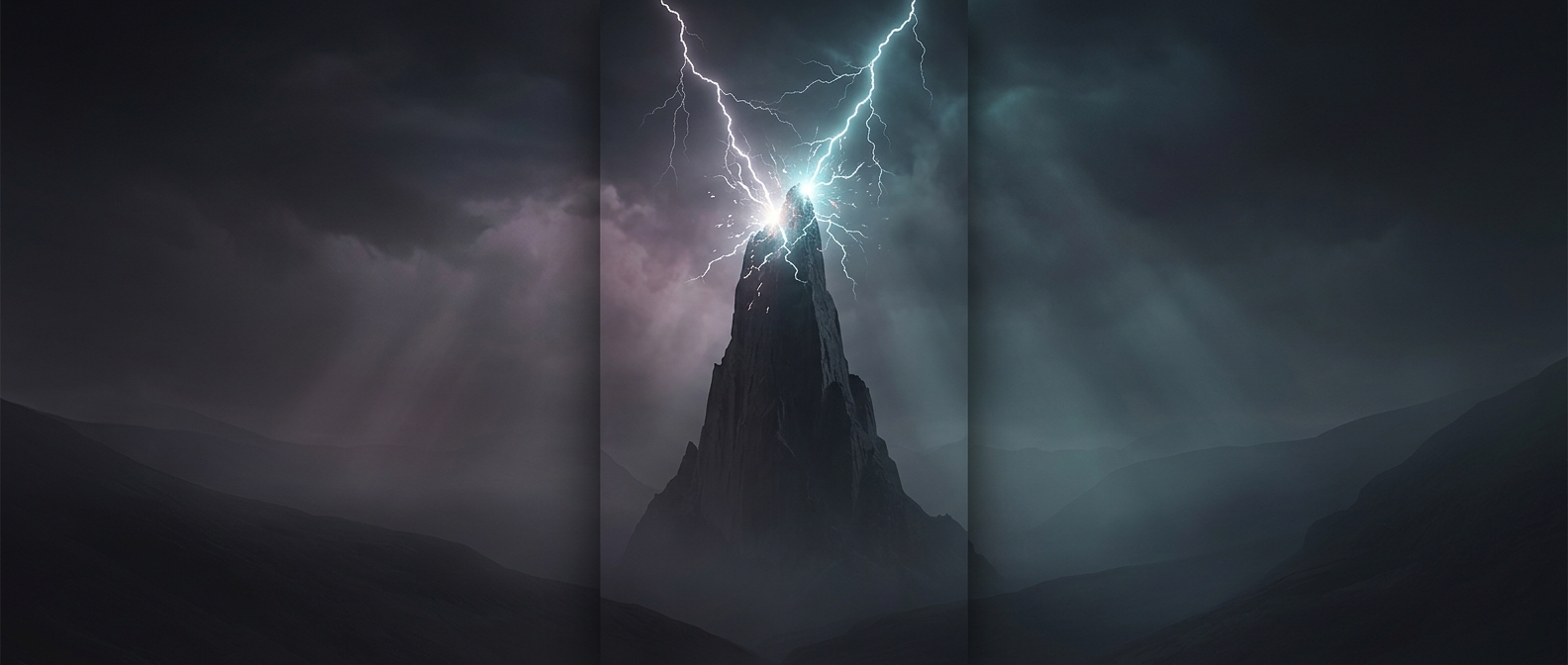
Why a Peak Can Become a Lightning Target
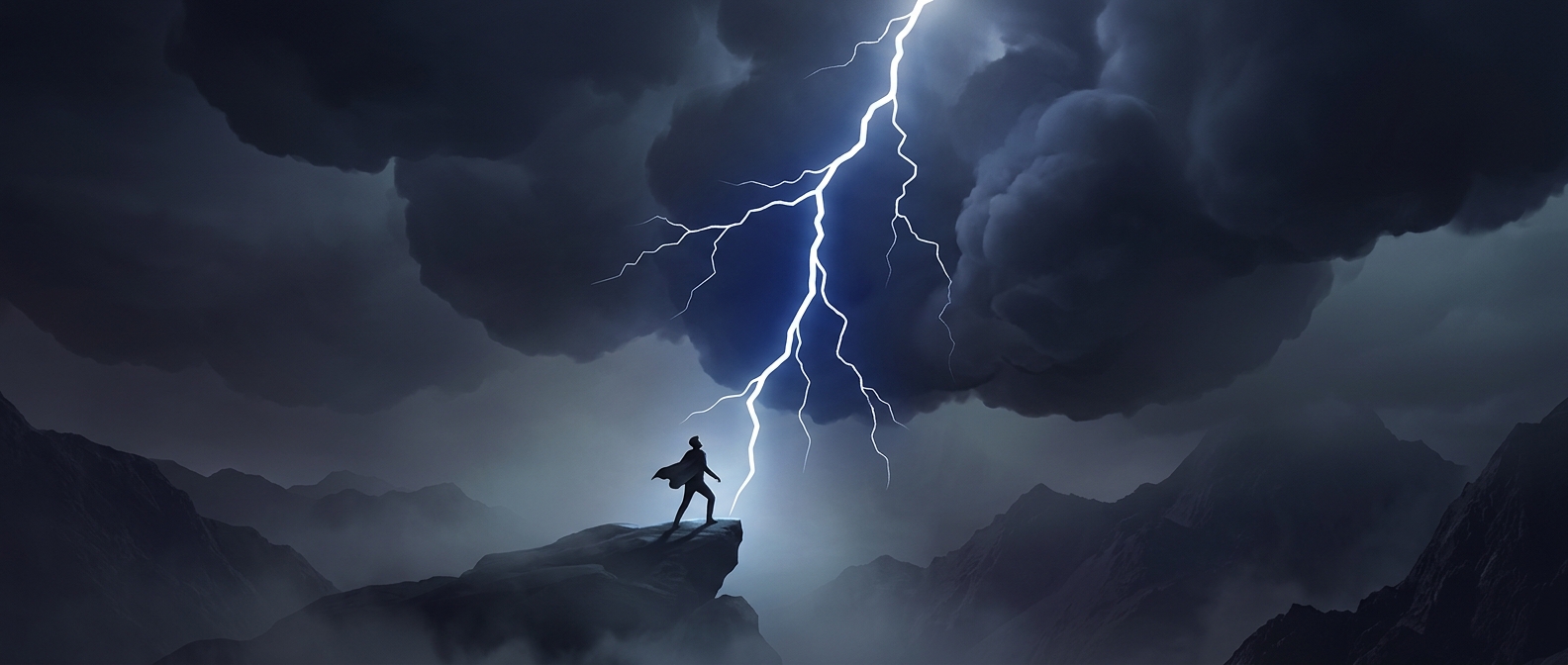
A thundercloud separates electrical charge, building up regions with opposite charges. As the difference grows, the electric field—the invisible push on charged particles—intensifies between cloud and ground. A tall, exposed summit sits closer to the charged cloud than nearby lower terrain, and its sharp ridges can concentrate the field. That makes it easier for a lightning channel to connect there, though a peak does not pull a bolt toward it from anywhere in the sky.
How a Strike Finds Its Way Down
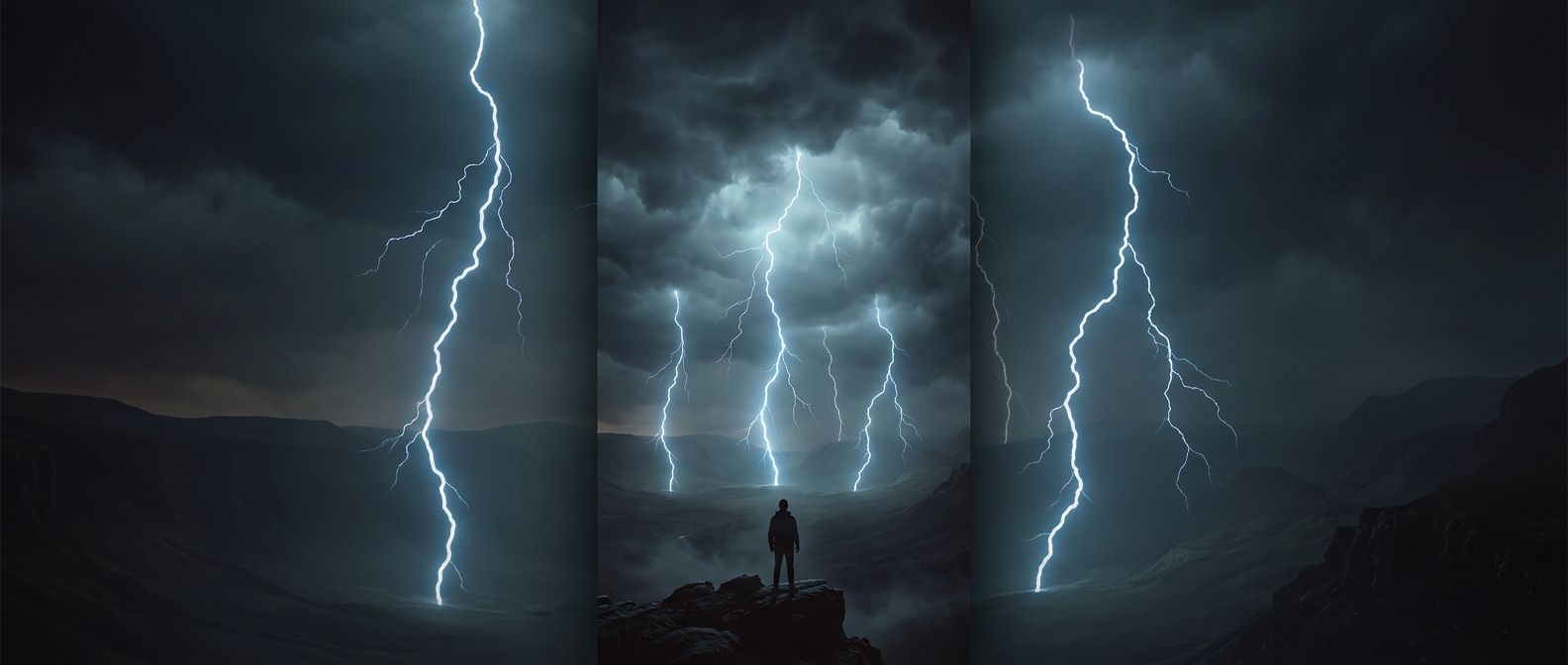
A lightning channel develops in stages. A branching path of charge reaches downward from the cloud; near the ground, objects can send up their own small channels. When one connects with the descending path, the completed route carries the bright, powerful current people recognize as a strike. The summit’s height and exposure can help one of these routes meet the cloud’s channel.
Why the Same Area Can Be Hit Again
A strike does not drain the storm’s electrical charge. If the cloud remains over the mountain and continues separating charge, the electric field can build again and form another channel. Later strikes may use parts of an earlier route or connect to nearby points; lightning is not obliged to hit one exact rock twice. A single flash can also contain several rapid pulses of current, while a storm can produce separate flashes over time.
That is why a mountain peak offers no safe shelter just because it has already been struck. During a storm, its exposed summit remains part of the electrical route between cloud and ground.