How plastic can travel from the sea to a mountain observatory
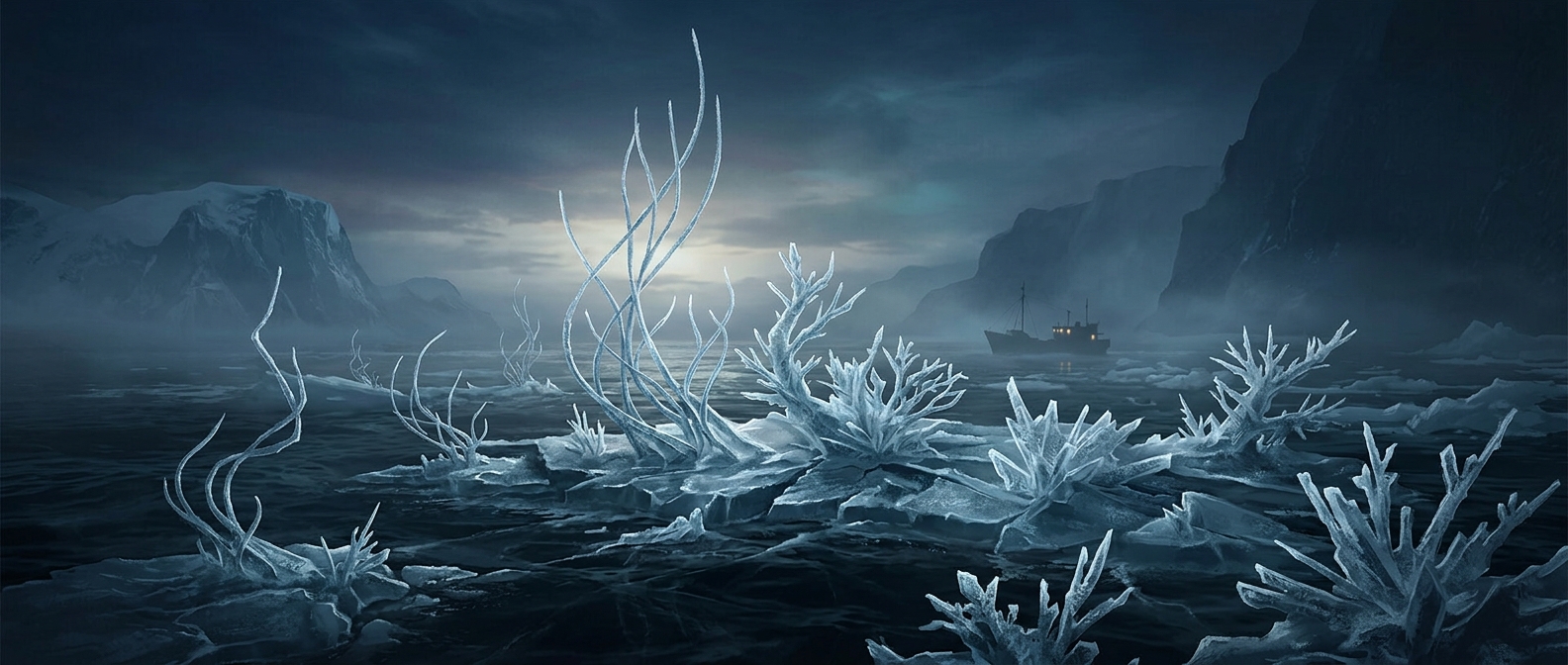
Microplastics are tiny plastic particles formed as larger items wear down or break apart. Once in the environment, some are small and light enough to become airborne. At the ocean surface, bursting bubbles and wind-driven spray can lift particles into the air alongside droplets of seawater. As droplets evaporate, particles may remain suspended.
That is one route from ocean pollution to the atmosphere—not a direct leap from every wave to a distant peak. Plastic particles can also be stirred up from land, and tracing an individual particle back to its source is difficult.
A long ride through the lower atmosphere
The troposphere is the lowest layer of the atmosphere, where clouds and most weather occur. Winds can carry suspended particles far from where they entered the air. Higher up, fast-moving jet streams can help move air masses across large distances; particles are not literally attached to a jet stream, but can travel with the air it steers.
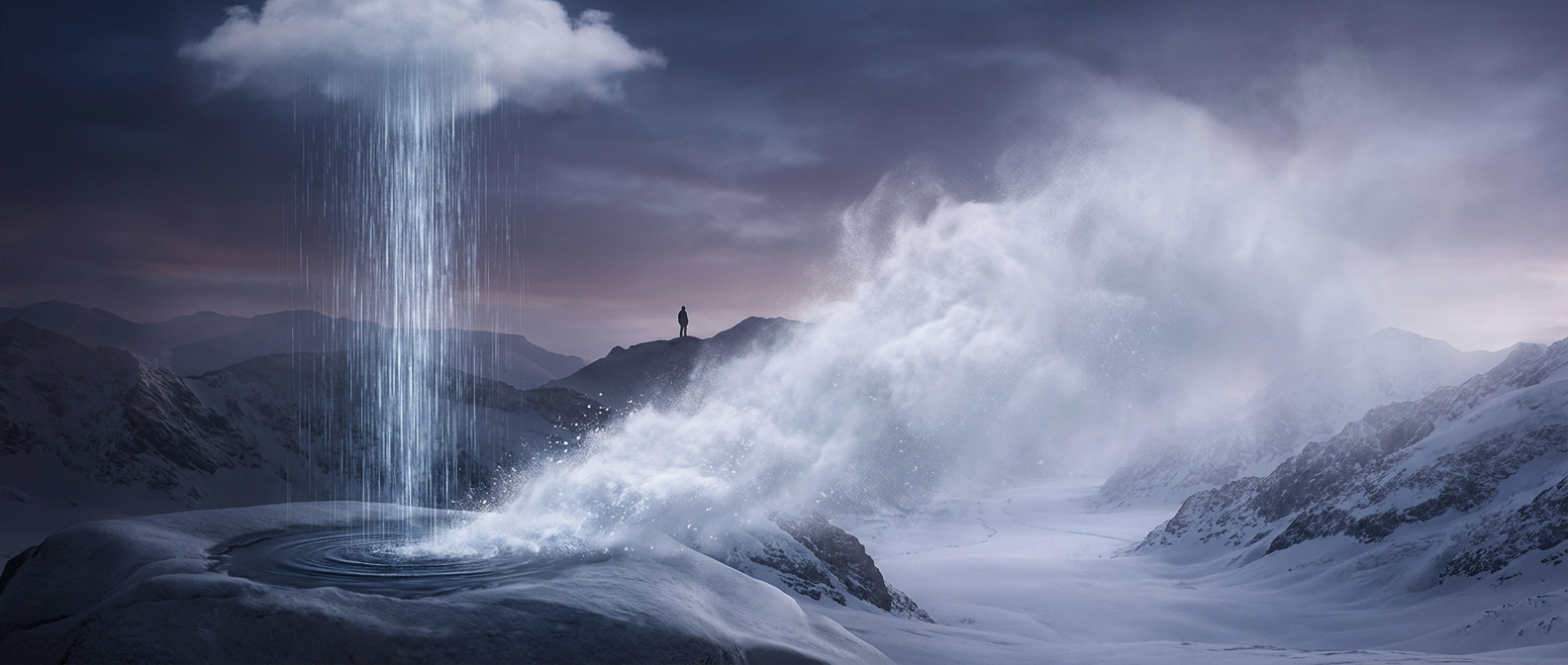
Eventually, particles fall out of the atmosphere. Rain and snow can wash them down, while gravity gradually brings some to the surface even in dry conditions. A remote mountain site such as Pic du Midi can therefore receive airborne material from far beyond its immediate surroundings.
Why finding it there matters
Sampling at high altitude helps reveal that plastic pollution is not confined to beaches, cities, or waterways. The atmosphere can redistribute it, making distant places deposition sites as well as destinations for windblown particles. A mountain may look isolated, but its air is connected to much larger circulation systems. Snow that seems untouched can record that connection in particles too small to see.