Why lightning can arrive without thunder
A lightning flash and its thunder begin together, but they do not travel equally well. Light crosses the distance to your eyes almost instantly and remains easy to see over long distances. Thunder is sound: a pressure wave moving through air, where it spreads out and loses strength as it travels.
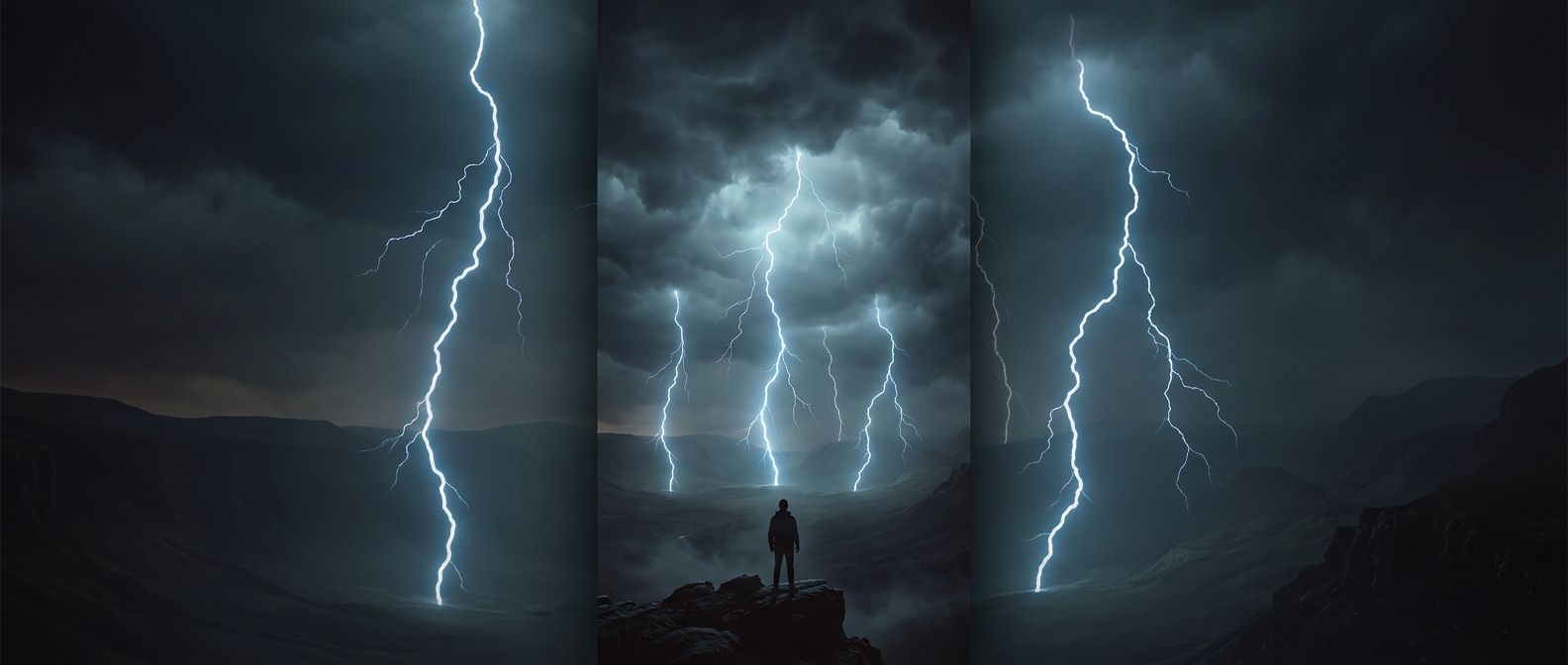
That difference creates a familiar mismatch. A storm can be far enough away that its flash is visible across the horizon, while its rumble fades before it reaches you at an audible level. The lightning still made thunder; the sound simply did not make the rest of the journey loud enough to hear.
The air itself makes the sound
A lightning bolt heats the narrow channel of air around it extremely quickly. That air expands suddenly, pushing against the cooler air nearby and launching a pressure wave. As the wave moves outward, its energy spreads across a larger area. Wind, temperature layers, and obstacles can also bend or weaken the sound along the way.
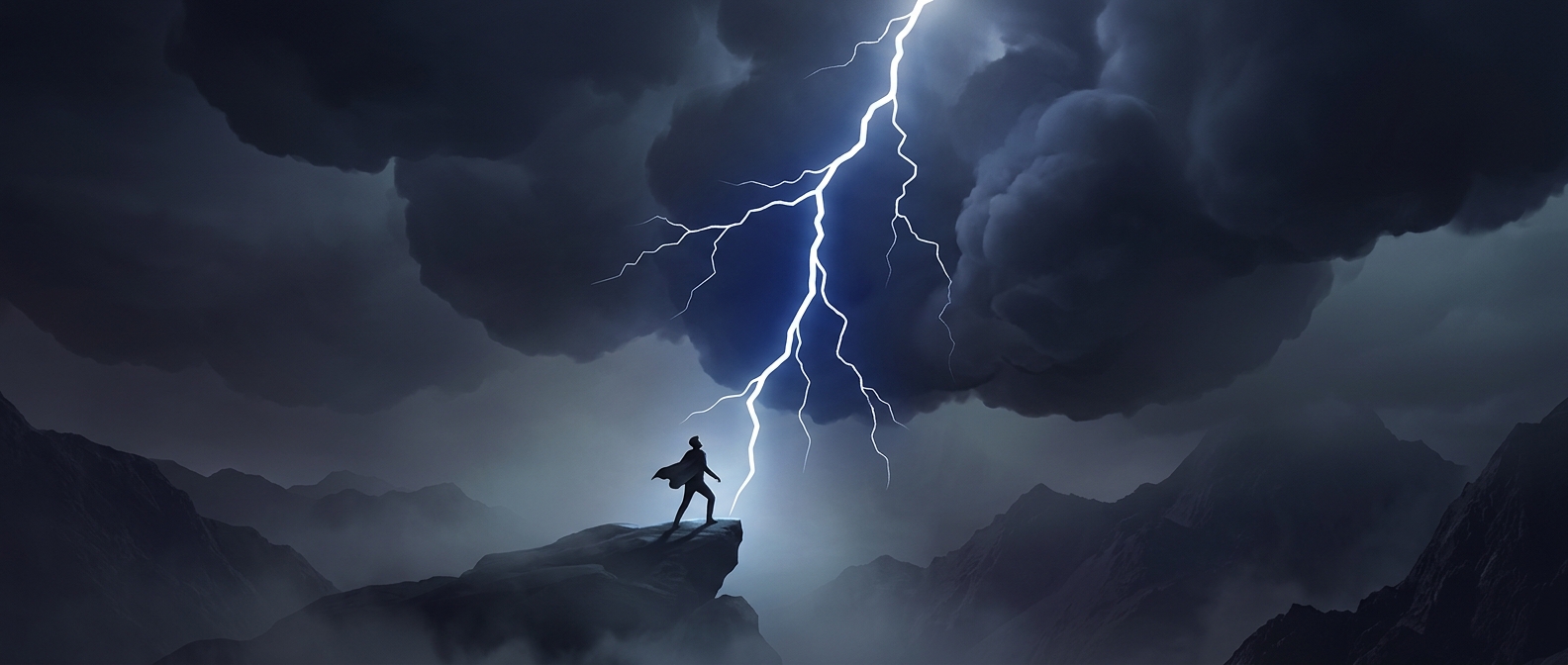
The flash, meanwhile, can travel through a comparatively clear line of sight, even when the storm is well beyond the range at which its thunder remains audible. Seeing a flash without hearing thunder is usually a sign of distance, not a soundless kind of lightning.
When the mismatch is most noticeable
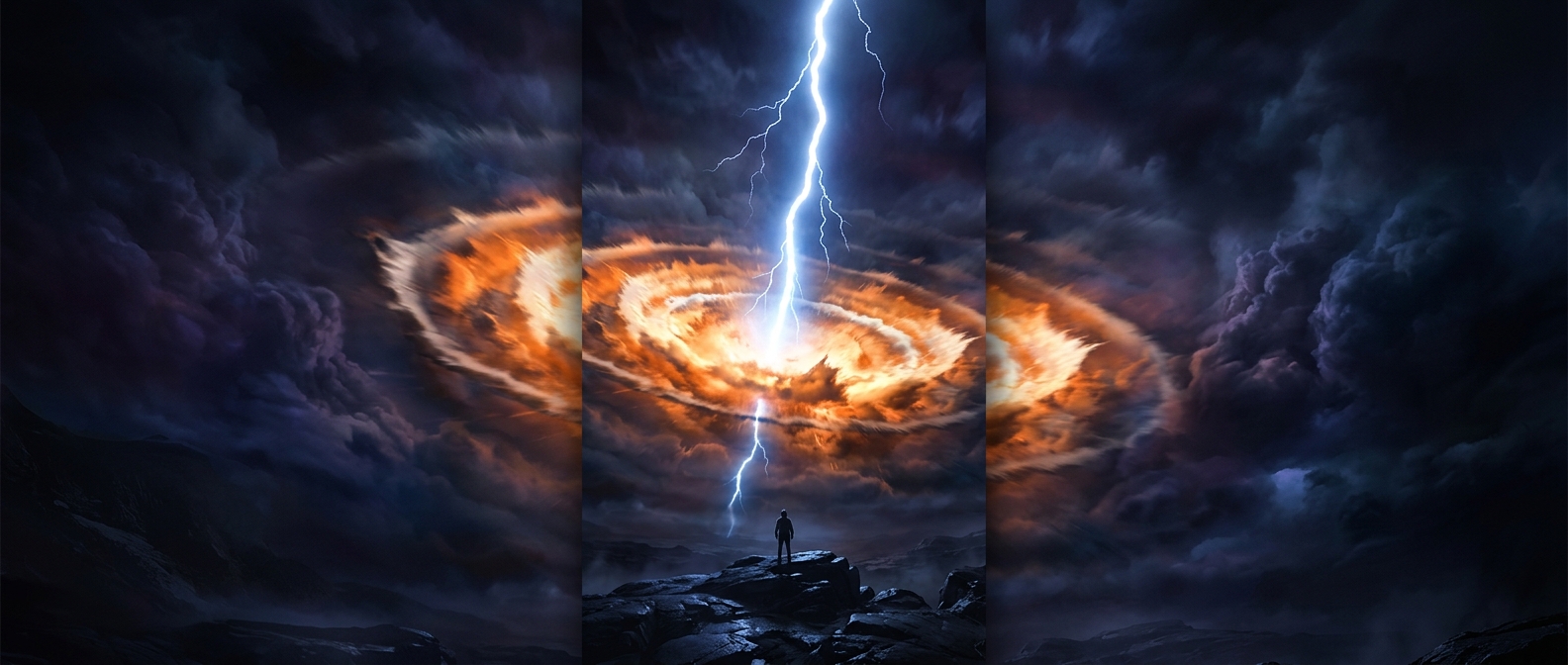
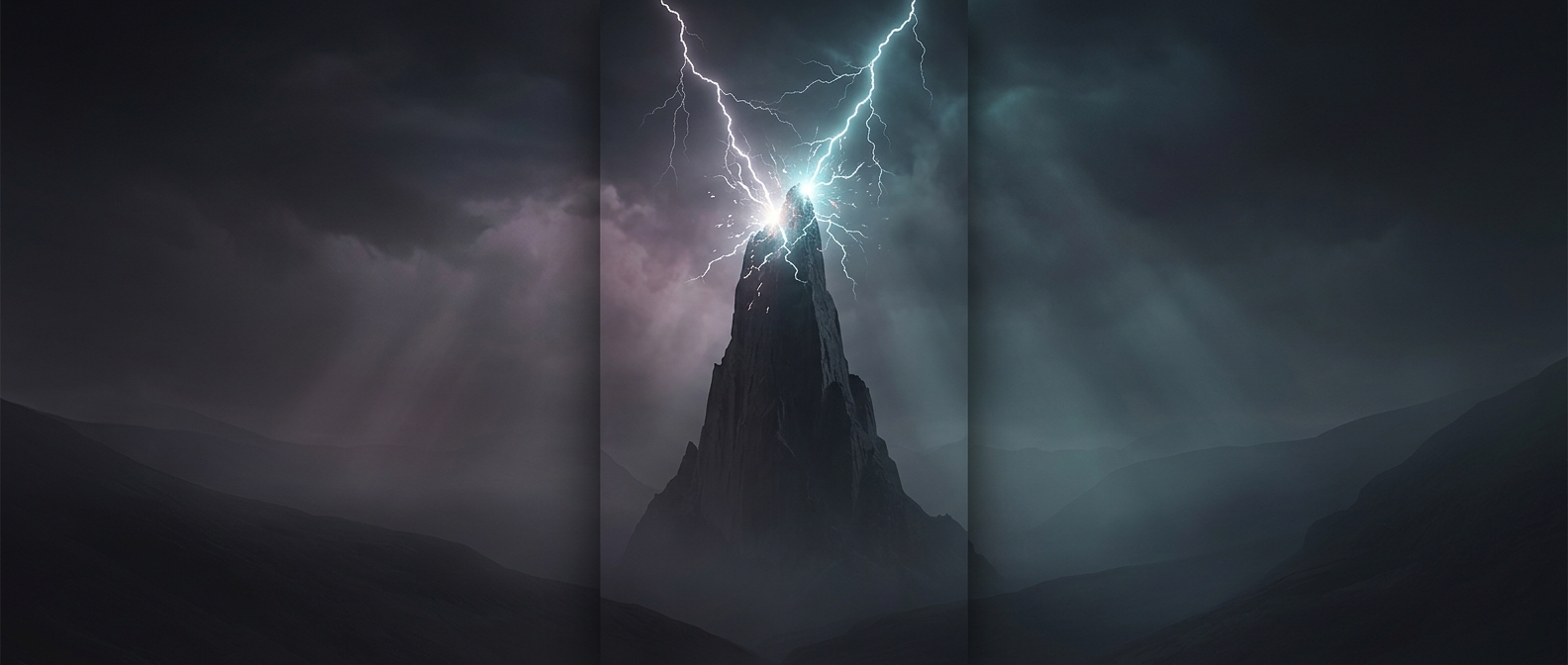
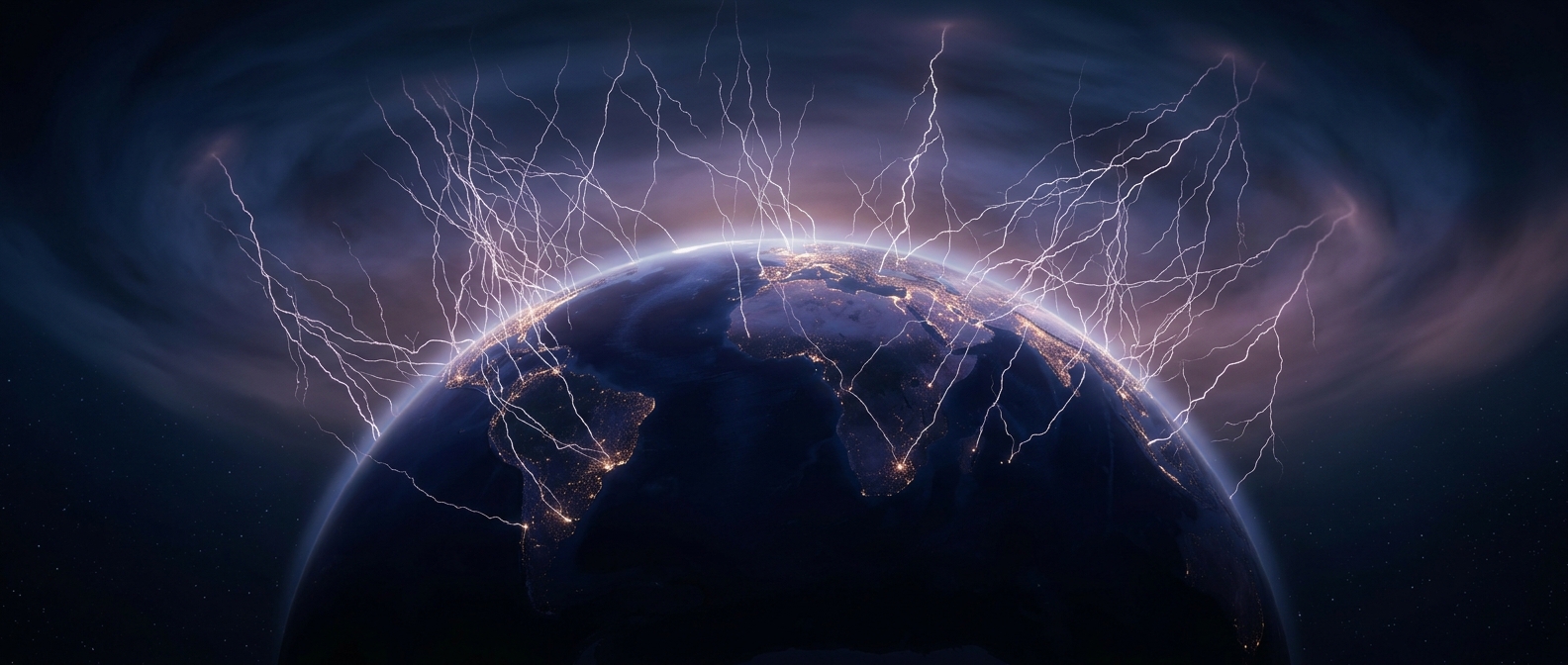
Lightning high in or above distant clouds may be visible against the sky even when the sound from the strike is too faint by the time it reaches an observer. At night, the flash can stand out especially clearly against darkness, making the storm seem closer than its thunder suggests—or leaving no audible rumble at all.
The key clue is not that the lightning failed to make sound, but that light and sound have very different practical ranges: the flash can remain in view after its pressure wave has dissolved into the background.