Why a Lake Can Resist the Wind
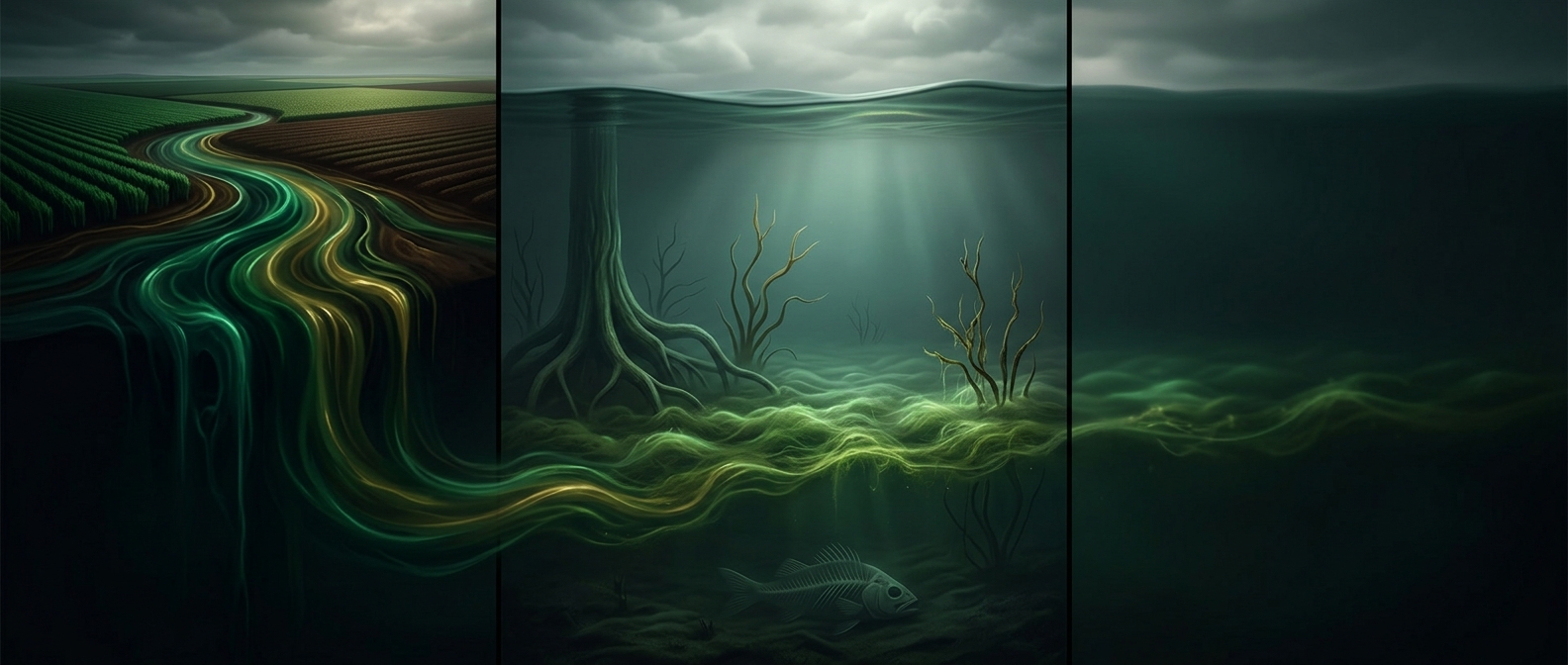
Sunlight warms the water at the surface, making it less dense than the colder water below. The boundary between these layers is often a zone called the thermocline, where temperature—and therefore water density—changes quickly with depth. To stir the lake, wind must do more than push the surface: it must also lift or displace denser water. That takes energy, so the layers can remain distinct even while the top is choppy.
The Seasonal Reset
As the surface cools in spring or fall, its density approaches that of deeper water. The contrast that held the layers apart weakens, allowing wind to move water through a greater depth. This seasonal mixing, often called turnover, can redistribute oxygen and nutrients that accumulated unevenly during the stratified period.
The exchange matters because deep water can lose oxygen as organisms consume it, while nutrients may build up there as material sinks and decomposes. Mixing can bring some of those nutrients upward and carry oxygen downward. The result depends on the lake’s depth, shape, weather, and biology; turnover is not identical in every lake. But the basic physical change is simple: when neighboring layers become similar in density, wind can reach farther below the surface.