The wall acts like a sound guide
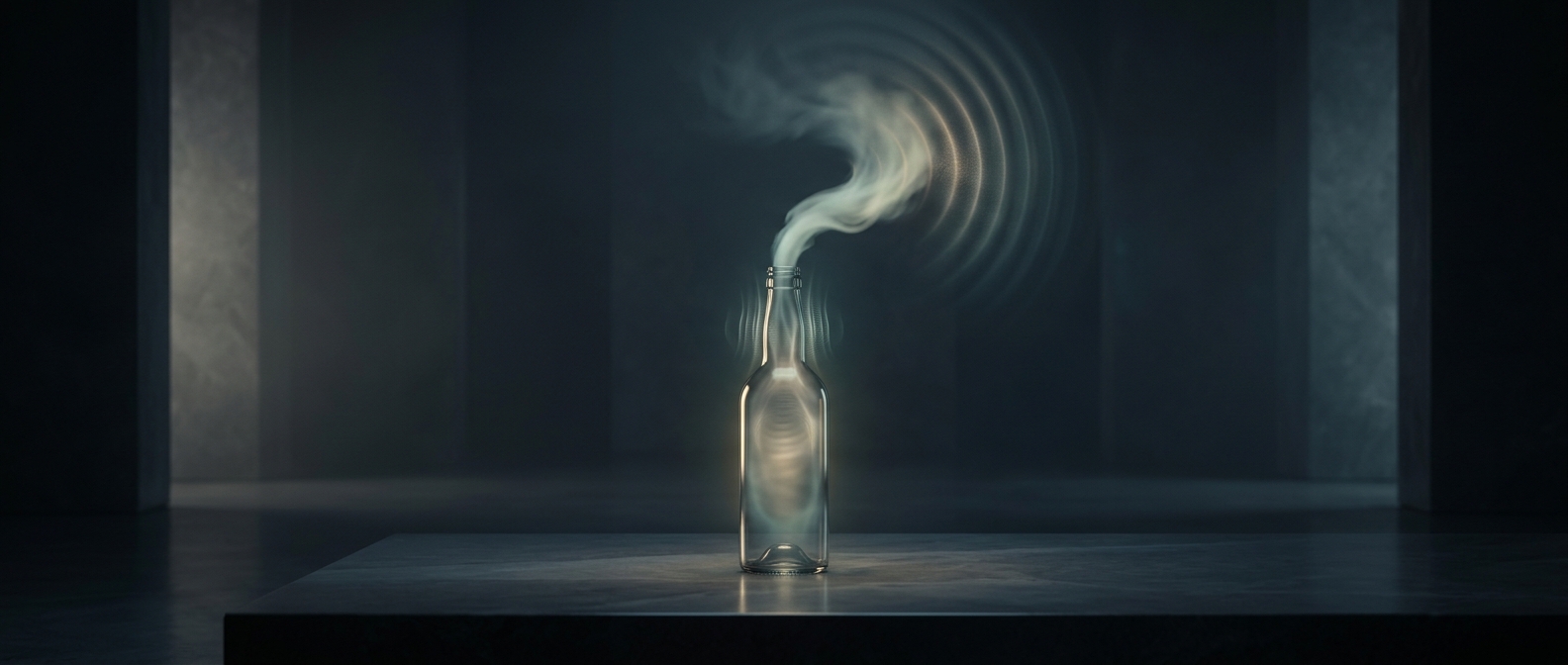
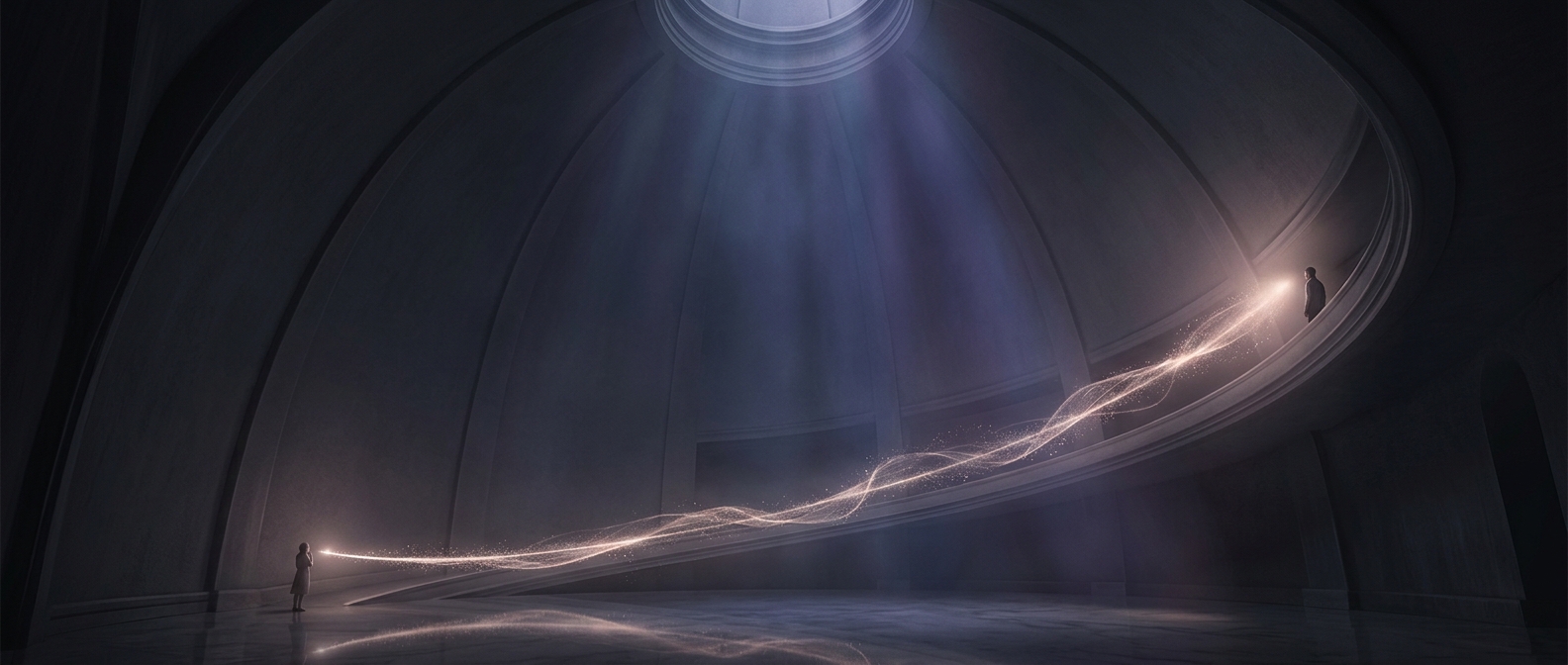
In a whispering gallery, a voice can be audible far around a curved room because sound reflects from the wall at a shallow angle. Instead of spreading evenly across the space, some of the sound energy stays close to the surface and travels along its curve. A listener standing at another point on the wall may hear it surprisingly clearly, even when people in the middle of the room cannot.
This is a form of sound reflection: when a wave meets a surface, part of its energy bounces back. A smooth, hard wall reflects more sound than a soft, absorbent one. The room’s shape matters too. A continuous curve can direct reflected sound around its perimeter, while corners, openings, and uneven surfaces scatter or interrupt it.
Why a whisper can survive the journey
A whisper starts with little energy, and every reflection reduces some of it. But when the sound repeatedly skims a hard wall, it can lose less energy to the open air than it would if it spread out in all directions. The effect does not amplify the voice; it helps preserve and steer part of the sound that is already there.
The path is not a perfect acoustic tunnel. Some frequencies carry better than others, and the room’s materials and geometry affect what reaches the listener. A whisper may sound faint or muffled, and moving only a short distance away from the right spot can make it harder to hear.
That is why the experience can feel uncanny: the voice arrives from around the curve, with the wall carrying it between people who cannot see one another. The architecture has not made the whisper louder—it has given a small sound an unusually direct route.