
A closer look
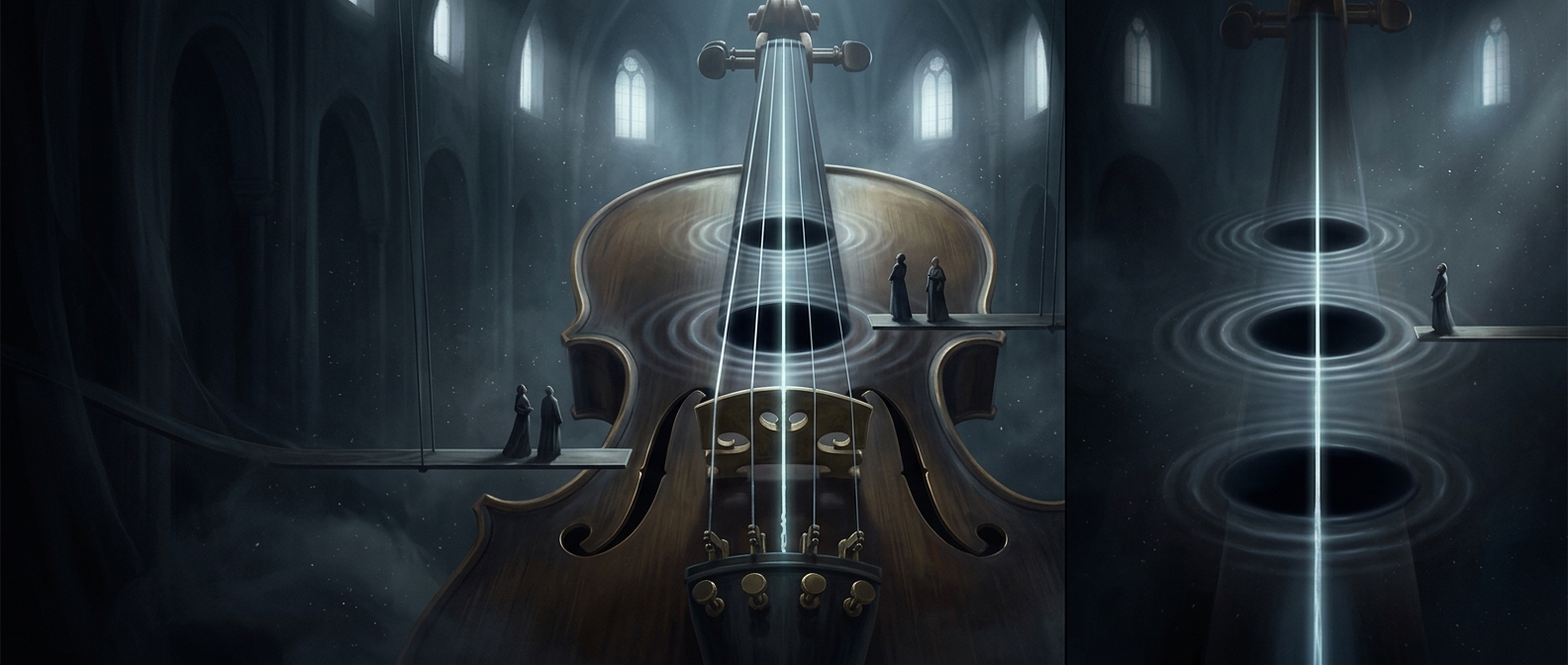
Sonoluminescence occurs when high-frequency sound waves are directed into a liquid, creating microscopic bubbles that rapidly expand and collapse with such violent force that they emit brief flashes of light. During the final stages of this microscopic implosion, the temperature inside the tiny bubble can temporarily reach upwards of twenty thousand degrees Kelvin, which is significantly hotter than the surface of the sun. Scientists are still not entirely certain of the exact quantum mechanics behind why sound can suddenly transform into blinding heat and light, making it one of the cooler unsolved mysteries in fluid dynamics. The idea that yelling at water loudly enough could theoretically produce miniature glowing suns is deeply amusing, though practically it requires highly specialized acoustic equipment. It is comforting to know that even physics occasionally throws a temper tantrum, converting pure noise into blistering thermal radiation just because it was squeezed too hard in a liquid environment