What “strange” means inside matter
Protons and neutrons are built from quarks, chiefly two kinds called up and down. Strange quarks are a third kind. Physicists use strange matter for a proposed state in which quark matter contains up, down, and strange quarks together—not simply ordinary atoms with an unusual ingredient added.
The idea is that, under the right conditions, mixing in strange quarks might make a large collection of quarks more stable than the familiar arrangement inside protons and neutrons. A small, self-contained lump of such material is often called a strangelet. Whether any lump could remain stable at ordinary conditions is unknown.
The conversion would depend on an energy advantage
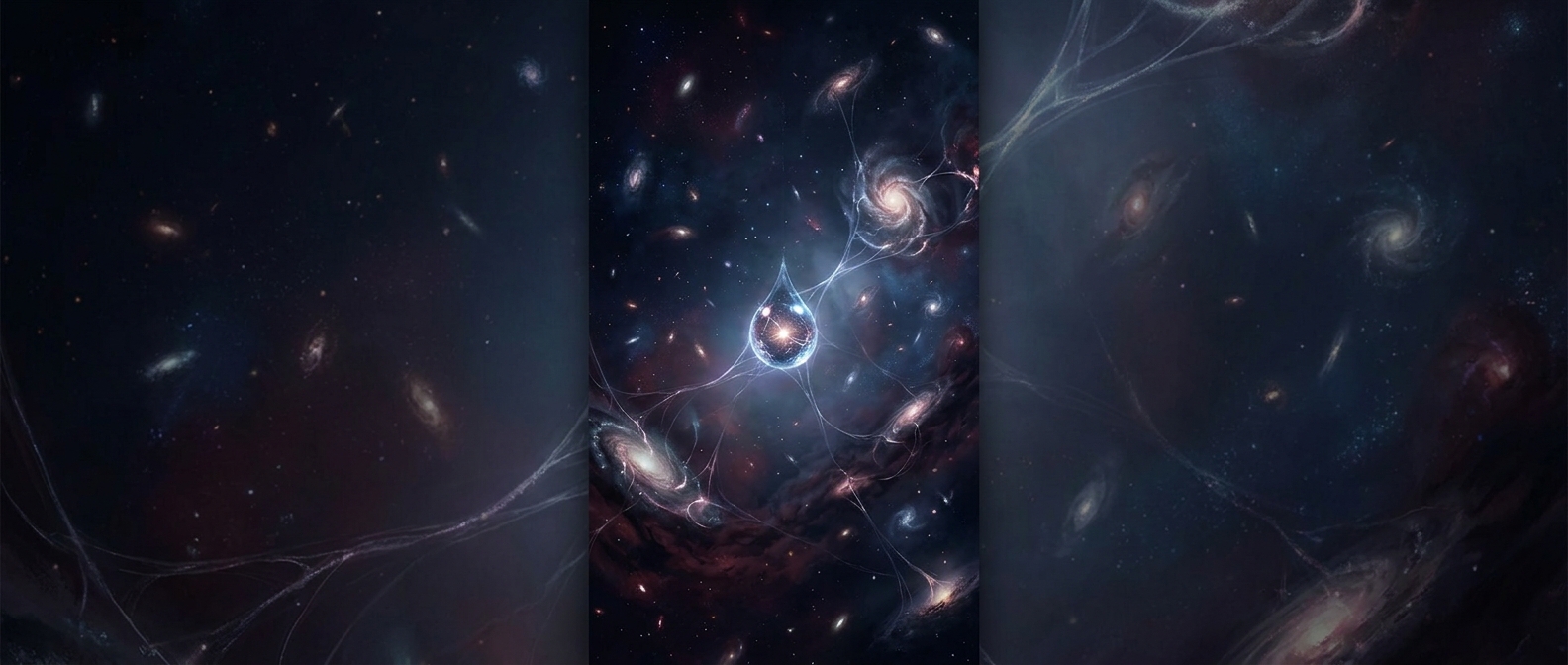
For a strangelet to grow by converting nearby ordinary matter, the new arrangement would have to be energetically favorable. At the boundary, ordinary nuclear material would be absorbed and its quarks rearranged; some would become strange quarks through the weak interaction, the process that can change one type of quark into another. The resulting material would then need to remain stable enough to keep absorbing more.
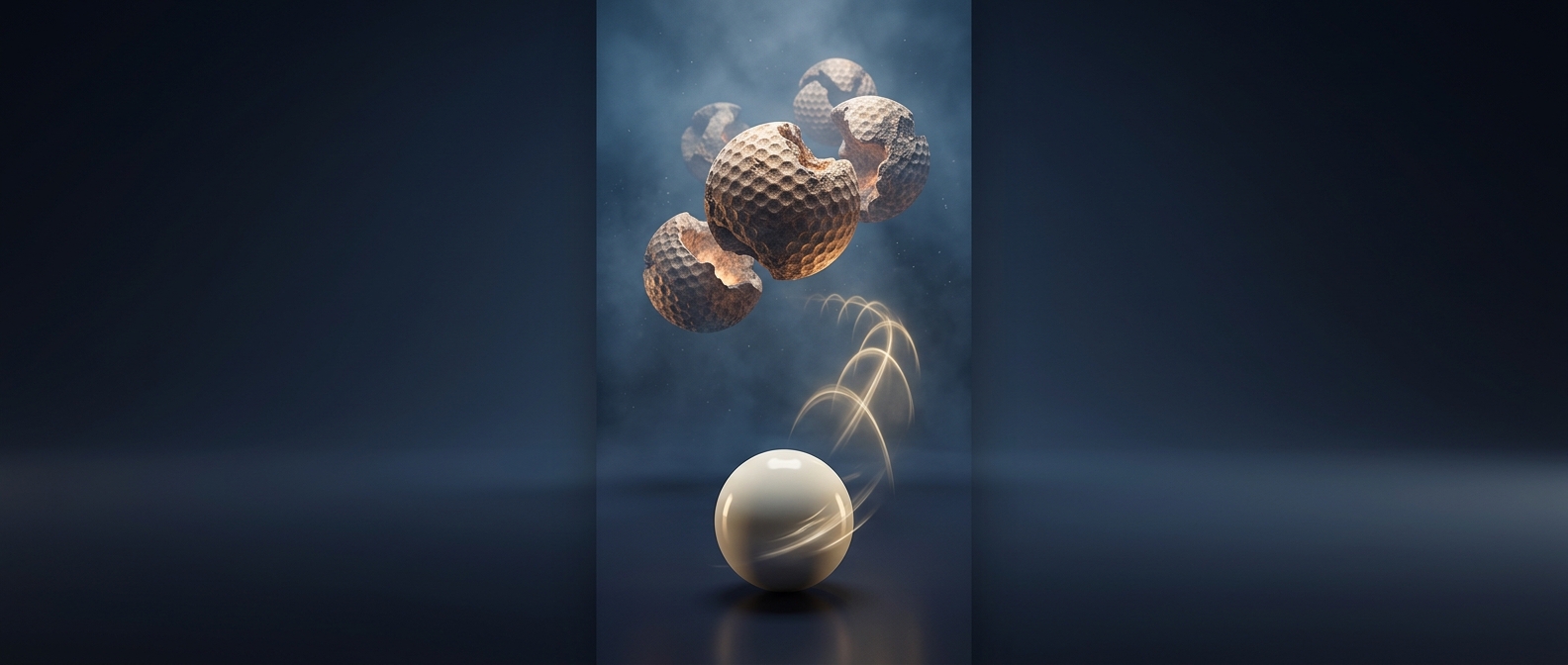
That is why “touching” is not, by itself, a recipe for an unstoppable chain. If the converted material costs more energy to make, or if a tiny lump cannot hold together, it cannot simply keep spreading. Stability may also depend on size: effects at a lump’s surface can matter greatly when the lump contains few particles, even if a much larger collection could behave differently.
A possibility, not an observed threat
No strangelet has been found, and the proposed conversion remains conditional on properties of strange matter that have not been established. The striking implication is therefore not that ordinary objects face a known danger, but that the stability of matter could look different in an extreme, unfamiliar form: the same quarks might favor a different arrangement if the energy balance allowed it.