Earth Would Keep Feeling the Sun’s Gravity for About Eight Minutes
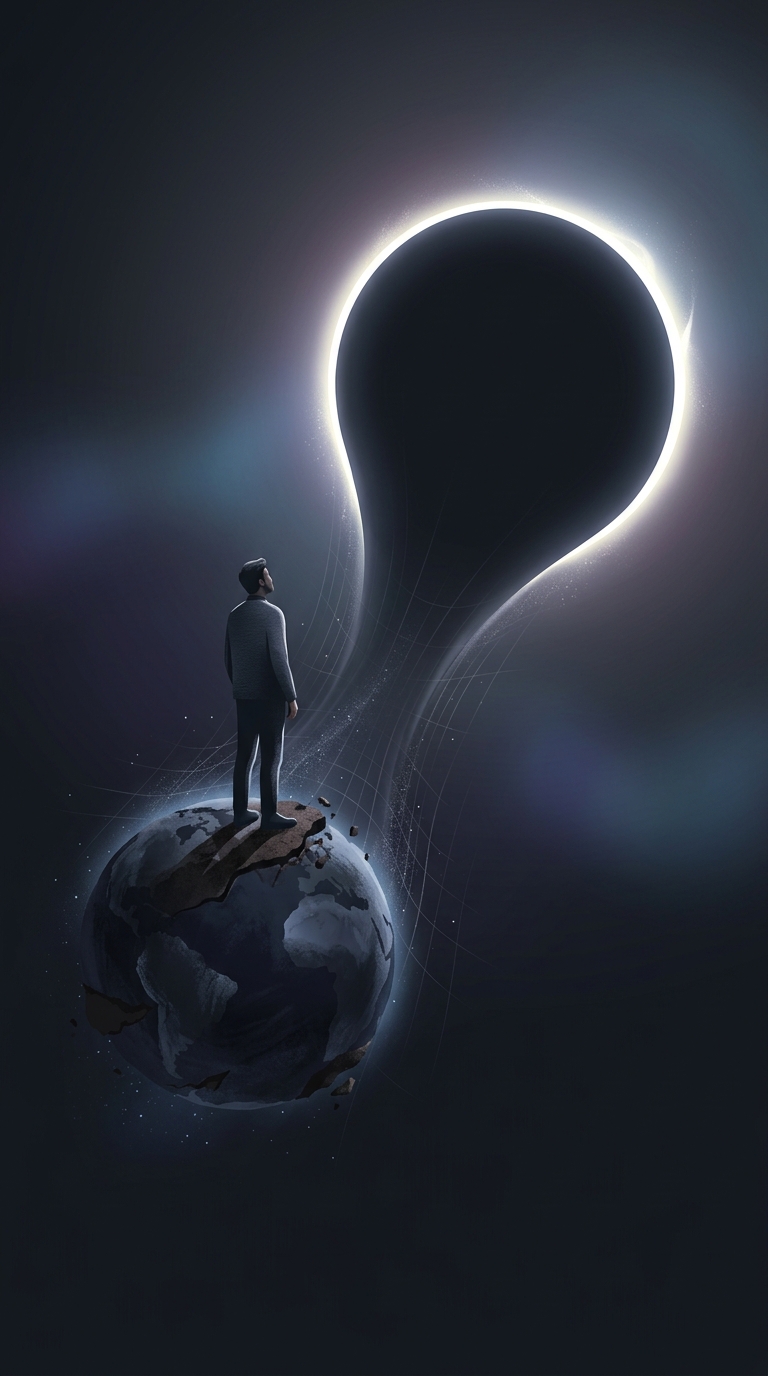
The Sun is roughly 150 million kilometers from Earth. Changes in gravity do not reach across that distance instantly: in Einstein’s theory of gravity, information about a change in the gravitational field travels at the speed of light. So if the Sun could somehow vanish all at once, Earth would continue responding to its existing gravitational influence for about eight minutes and 20 seconds—the same time sunlight takes to reach us.
That delay is not because Earth is somehow sensing an absent Sun. The change in the Sun’s gravitational field would spread outward, and Earth would not encounter it until that change arrived. Until then, Earth would continue along nearly the same orbit it had before.
After the Change Arrived, Earth Would Leave Its Orbit
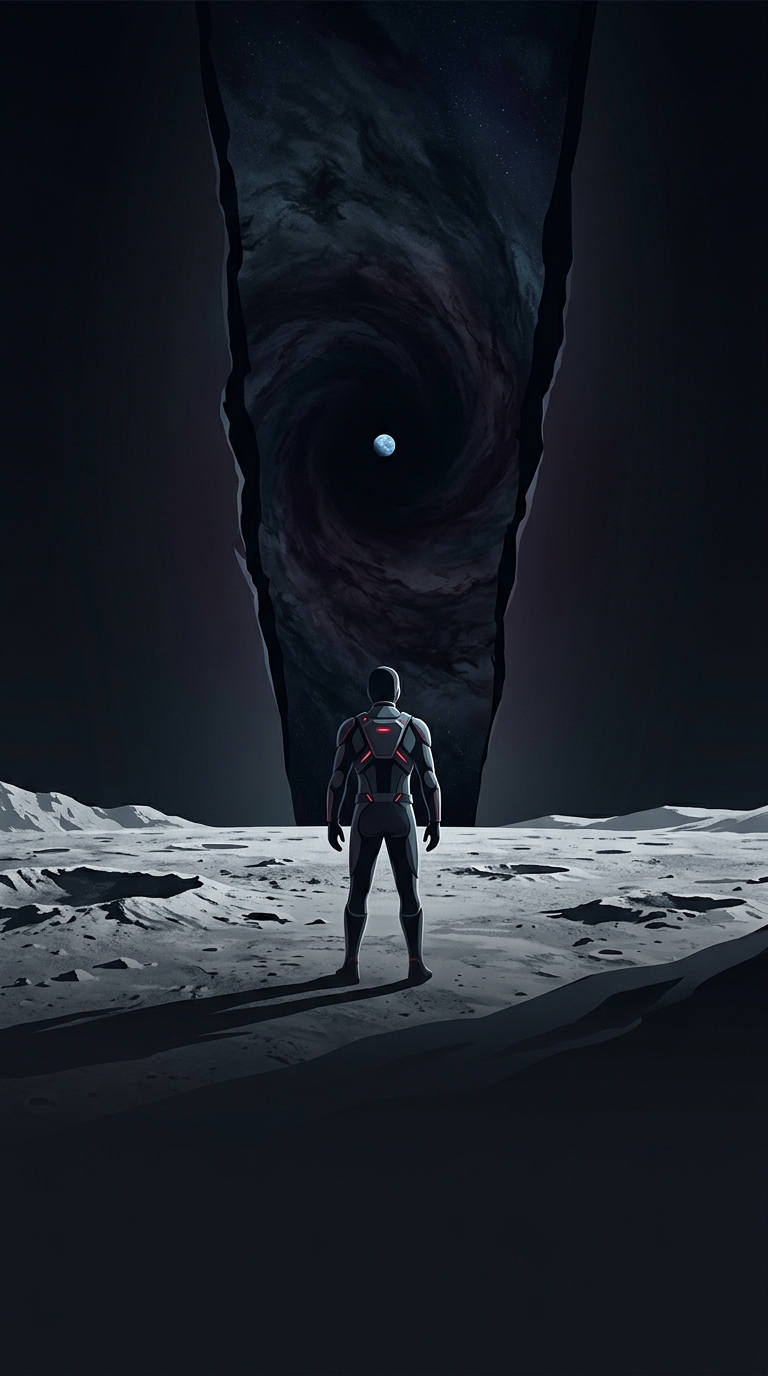
Once the new gravitational conditions reached Earth, the Sun would no longer pull it into a curved path. Earth would move onward in the direction it was traveling at that moment, along a nearly straight line rather than continuing its orbit. The Moon and other planets would still exert gravity, so the path would not be perfectly straight in the full solar system.
The scenario is magical: suddenly removing the Sun’s mass would violate the ordinary rules of physics. But the delay illustrates a real principle. Gravity is not an instantaneous tug; changes in it have to travel from their source. Earth would therefore keep orbiting for several minutes after the Sun’s disappearance—and would also keep receiving the Sun’s last light for that same interval.