Why heat can change a body’s position
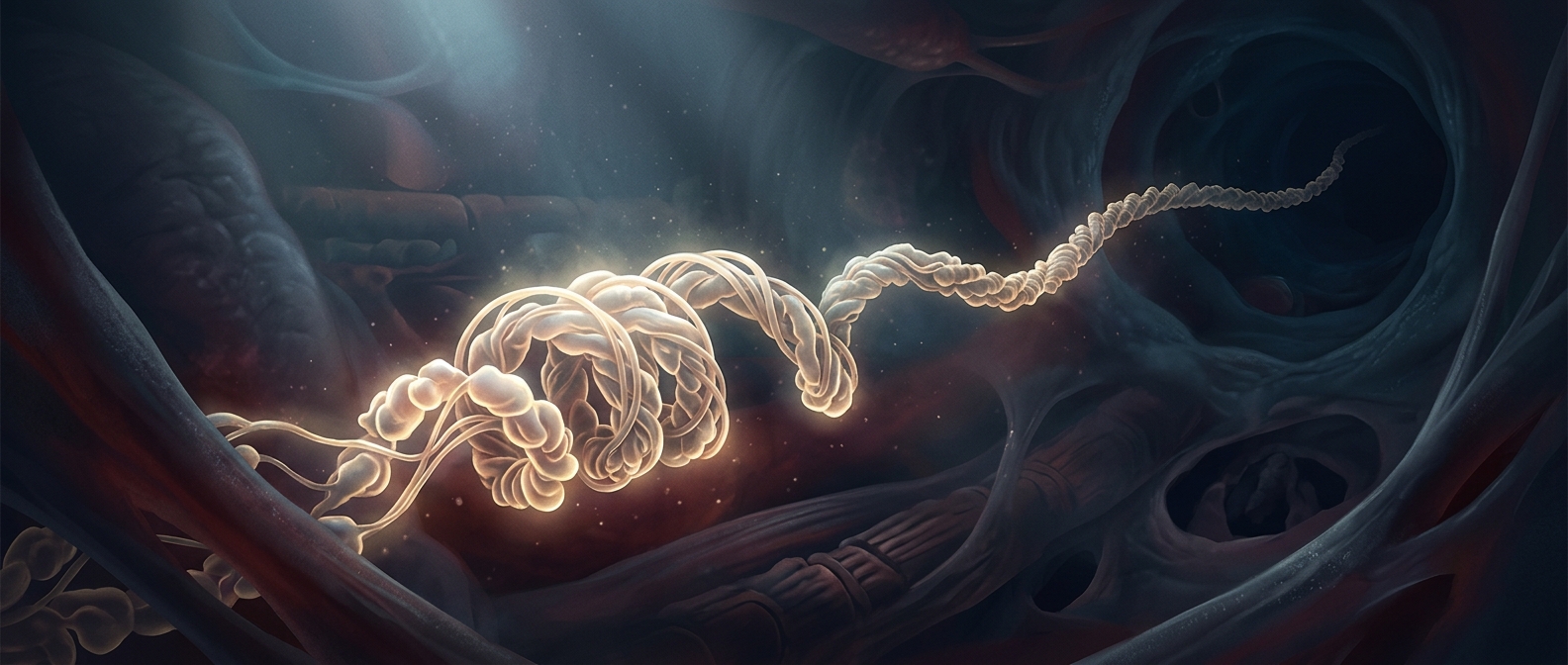
Muscles are bundles of protein fibers that normally slide past one another to produce movement. Intense heat disrupts those proteins: they lose their usual structure, while water evaporates from muscle and other soft tissues. As the tissue tightens and shrinks, it can tug on the bones and joints attached to it.
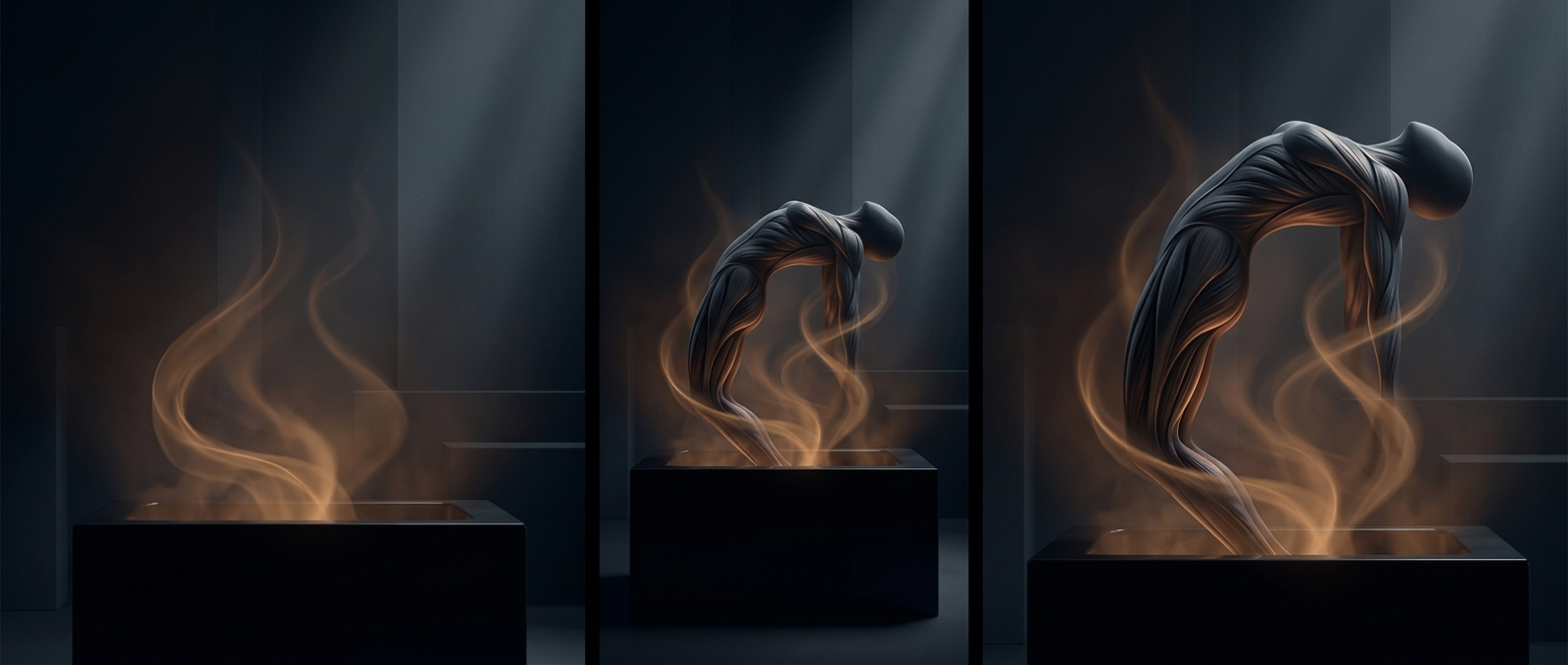
The pull is not necessarily balanced. Muscles that bend a joint may exert more influence than those that straighten it, so a limb can draw into a flexed position as the tissues contract. The body’s posture may therefore change during heating, even though no muscle is receiving a signal from the brain.
A physical effect, not a sign of life
This heat-driven tightening is sometimes called heat stiffening. It is different from a living person’s movement, which depends on coordinated nerve signals and muscle activity. It is also distinct from rigor mortis, the stiffness that develops after death through changes in muscle chemistry.
The visible result depends on the body’s position and how its tissues are affected; it need not be large or dramatic. But when a limb shifts, the cause is a mechanical one: shrinking tissue pulls on the skeleton. That distinction matters because movement alone can look purposeful, while in this setting it does not indicate awareness or a return of life.