How Air Can Bend an Explosion’s Sound Away
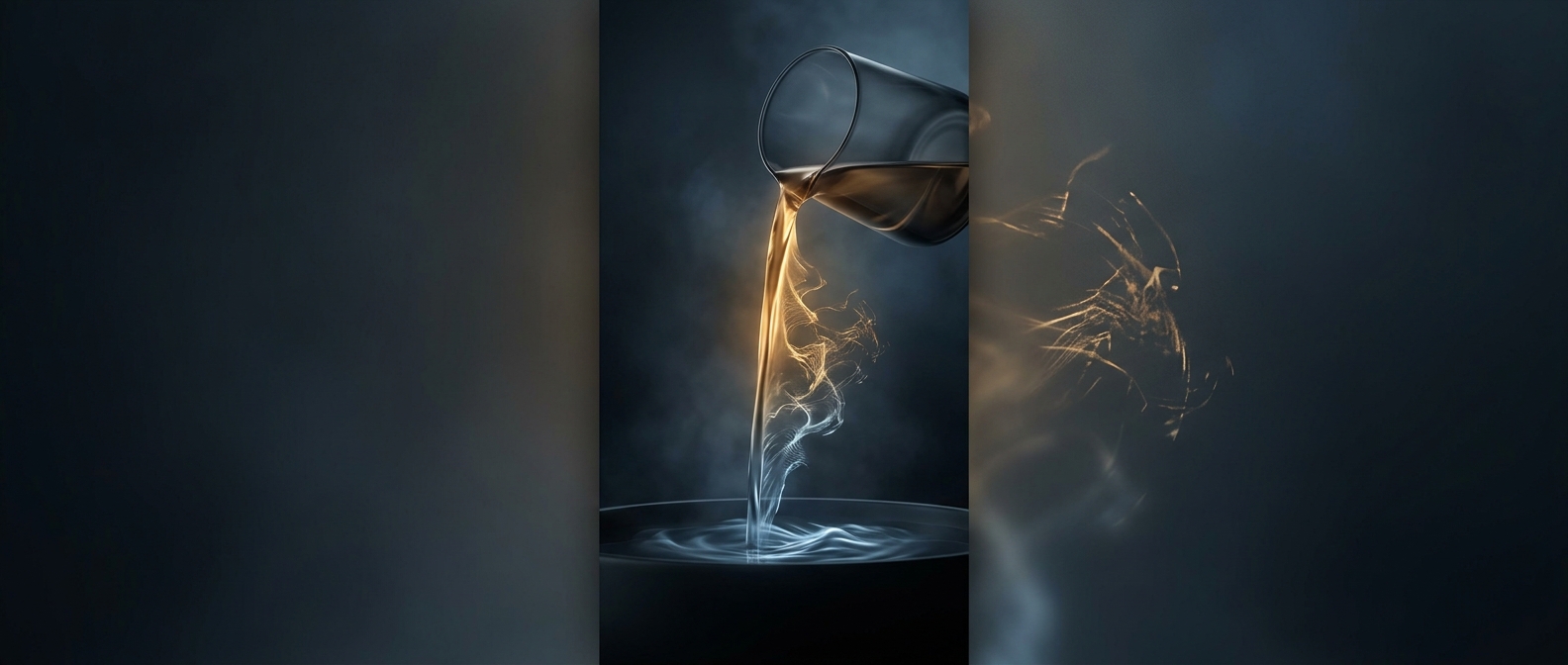
Sound travels as pressure waves, but it does not move at exactly the same speed through every part of the atmosphere. Temperature matters: sound generally travels faster through warmer air than cooler air. Wind can change its speed relative to the ground, too. When these conditions vary with height, the wave’s route can curve instead of continuing straight.
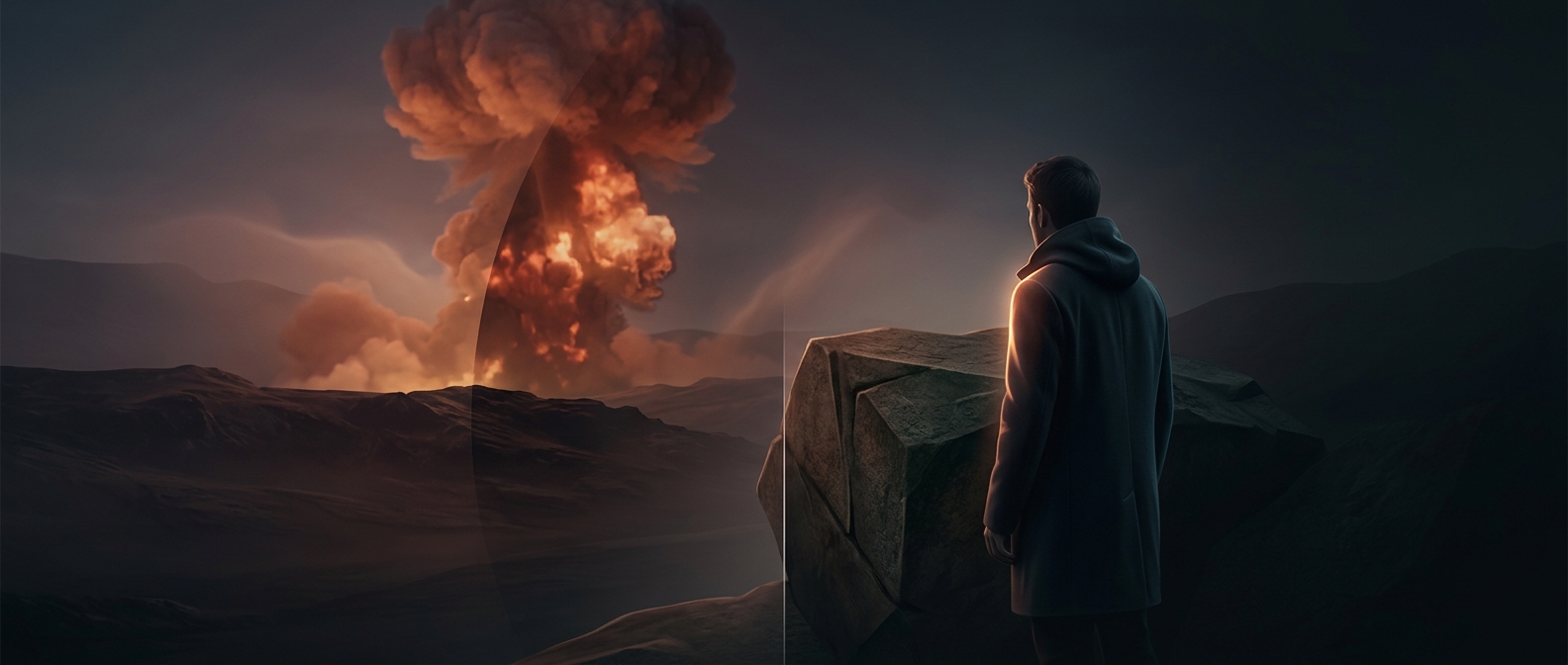
In a common setup, sound travels faster higher above the ground than it does near the surface. The wave gradually bends upward, much as a moving path curves when one side advances faster than the other. That can carry some of the blast’s sound above nearby listeners, leaving a sound shadow—a region where the noise is unusually faint, not necessarily absent.
Why the Sound Can Return Farther Away
The atmosphere is not a neat stack of fixed layers. Temperature and wind can shift with altitude and weather, changing the direction of the bend. Under some conditions, a sound wave that has arced upward can curve back toward the ground farther along its route. People there may hear the blast even when listeners between them and the source heard little.
The result is not a clean boundary: sound spreads in many directions, and terrain and buildings can also block or redirect it. But the basic surprise is real: a quiet patch nearby does not mean the explosion stopped making sound. The atmosphere can lift the wave over one place and deliver it to another. When the air’s structure changes, so can the map of who hears the blast.